What a consumer unit does
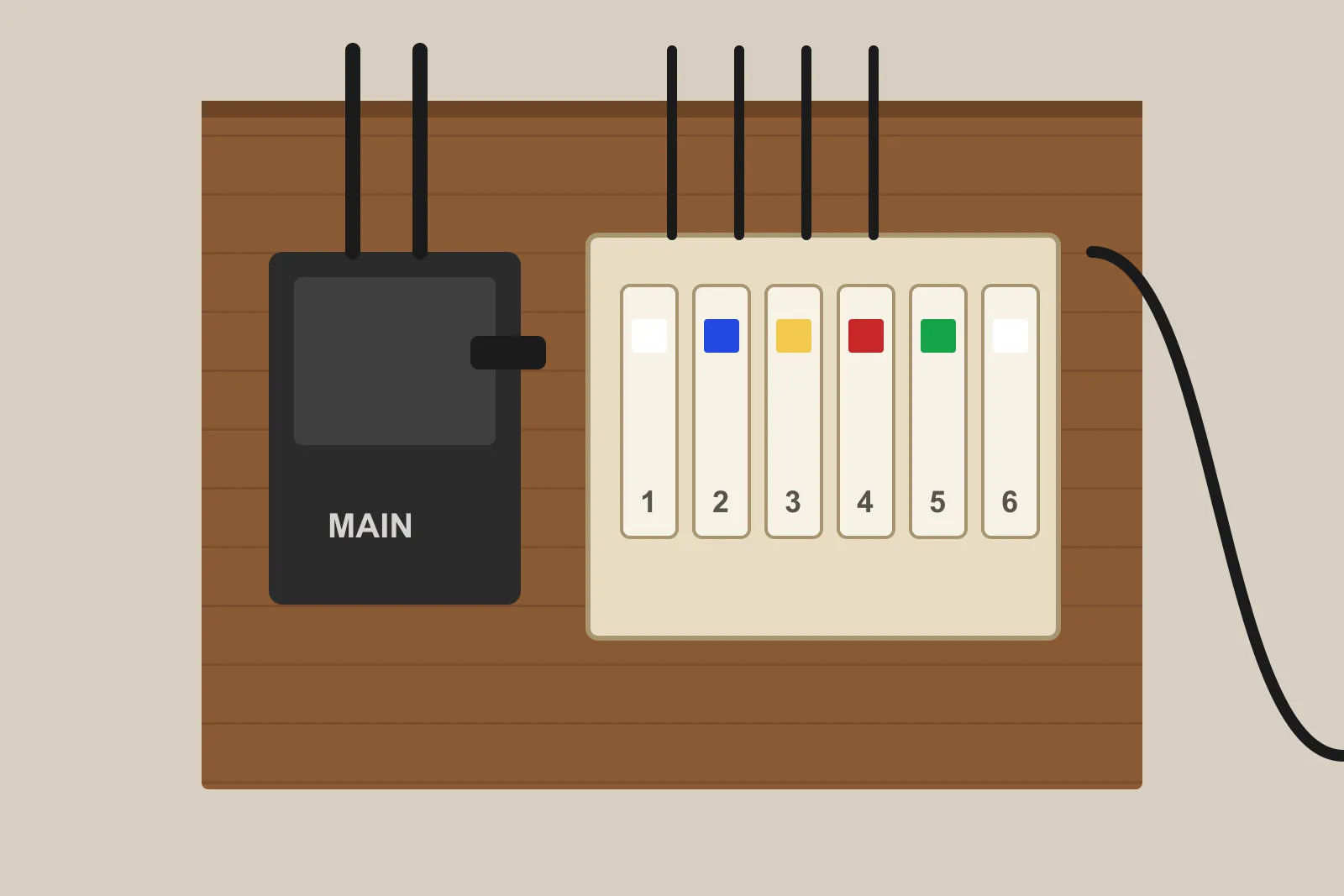
The consumer unit – often still called the fuse box – distributes electricity to each circuit in your home and protects them. Modern units use circuit breakers to protect against overloads and faults, and RCDs to switch off quickly if current leaks to earth, reducing the risk of a fatal shock or fire.
Older fuse boxes use rewireable fuses and often have no RCD protection at all. They may still work, but they offer far less protection than a modern unit.
Signs it's time for an upgrade
- Rewireable fuses or a wooden backboard
- No RCD protection
- Scorch marks, cracks or a burning smell
- A full board with no room for new circuits
- Frequent nuisance trips affecting many circuits
- You're adding an EV charger, an extension or a new kitchen
Need an electrician?
Describe the job and compare free quotes from local electricians near you.
- Free to use
- No obligation
- Compare local electricians
- Quick online form
You'll continue to our quotes partner, MyJobQuote, to describe your electrical job.
RCDs and RCBOs
An RCD protects a group of circuits. If one circuit has a fault, the whole group switches off. An RCBO combines a circuit breaker and RCD for a single circuit, so a fault only affects that circuit. Boards with RCBOs on every circuit cost more but make life easier when something trips.
Modern consumer units in homes are generally required to have a non-combustible enclosure, such as metal, and electricians will recommend the protection suited to your installation.
What's involved
Replacing a consumer unit usually takes most of a day. The electrician tests the existing circuits first, because faults that an old fuse board tolerated may cause trips on a new RCD-protected board. Any faults need fixing before the new board can be signed off.
Replacing a consumer unit is notifiable in England and Wales, so you should receive an electrical installation certificate.