Signs to look out for
Wiring doesn't have a fixed lifespan, but cables and accessories deteriorate with age, heat and alterations. The only way to know for sure is an inspection and test, but these signs suggest it's worth booking one:
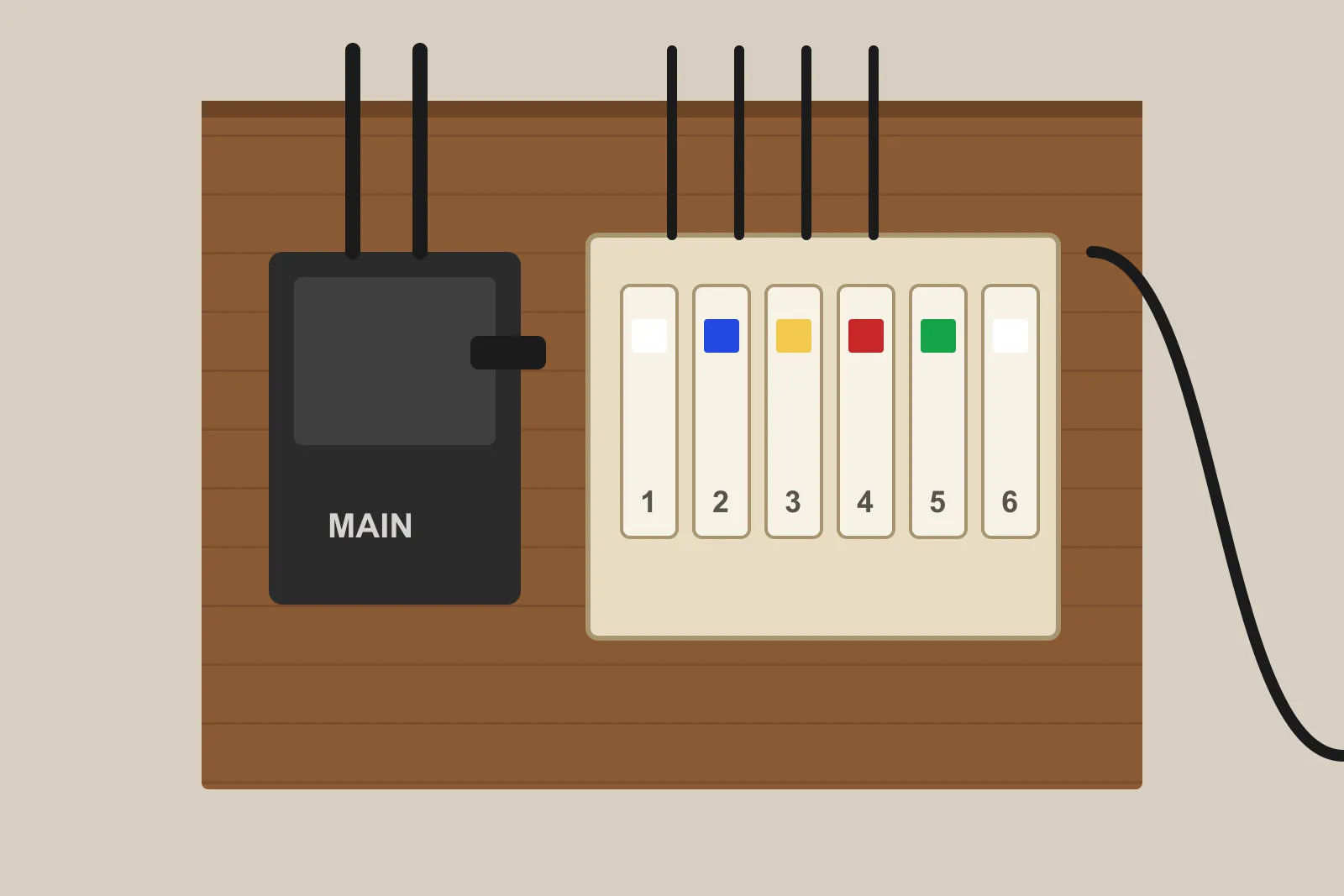
- An old fuse box with rewireable fuses or a wooden backboard
- Rubber-, lead- or fabric-covered cables
- Round-pin sockets or brown and black switches
- Sockets in skirting boards
- Frequent trips or fuses blowing
- Scorch marks, warm sockets or burning smells
- Not enough sockets, so extension leads are everywhere
Full or partial rewire?
A full rewire replaces all the fixed wiring, accessories and usually the consumer unit. A partial rewire replaces some circuits – for example the kitchen or the upstairs lighting – while keeping others that test satisfactorily.
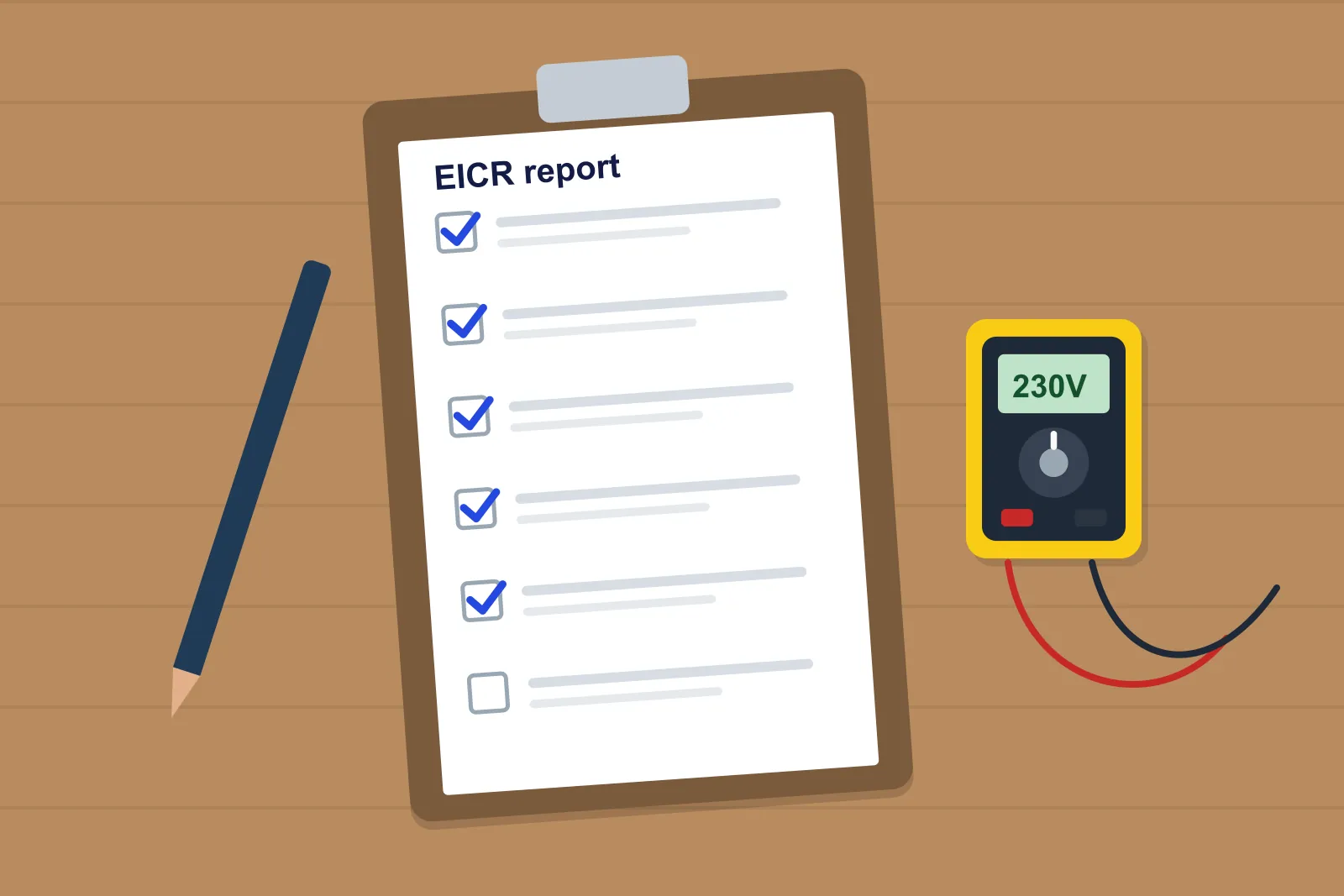
A condition report helps decide. If most circuits are sound, a partial rewire can save money. If the wiring is old throughout, a full rewire is usually better value in the long run, and it's the ideal time to add sockets and improve lighting.
Need an electrician?
Describe the job and compare free quotes from local electricians near you.
- Free to use
- No obligation
- Compare local electricians
- Quick online form
You'll continue to our quotes partner, MyJobQuote, to describe your electrical job.
What happens during a rewire
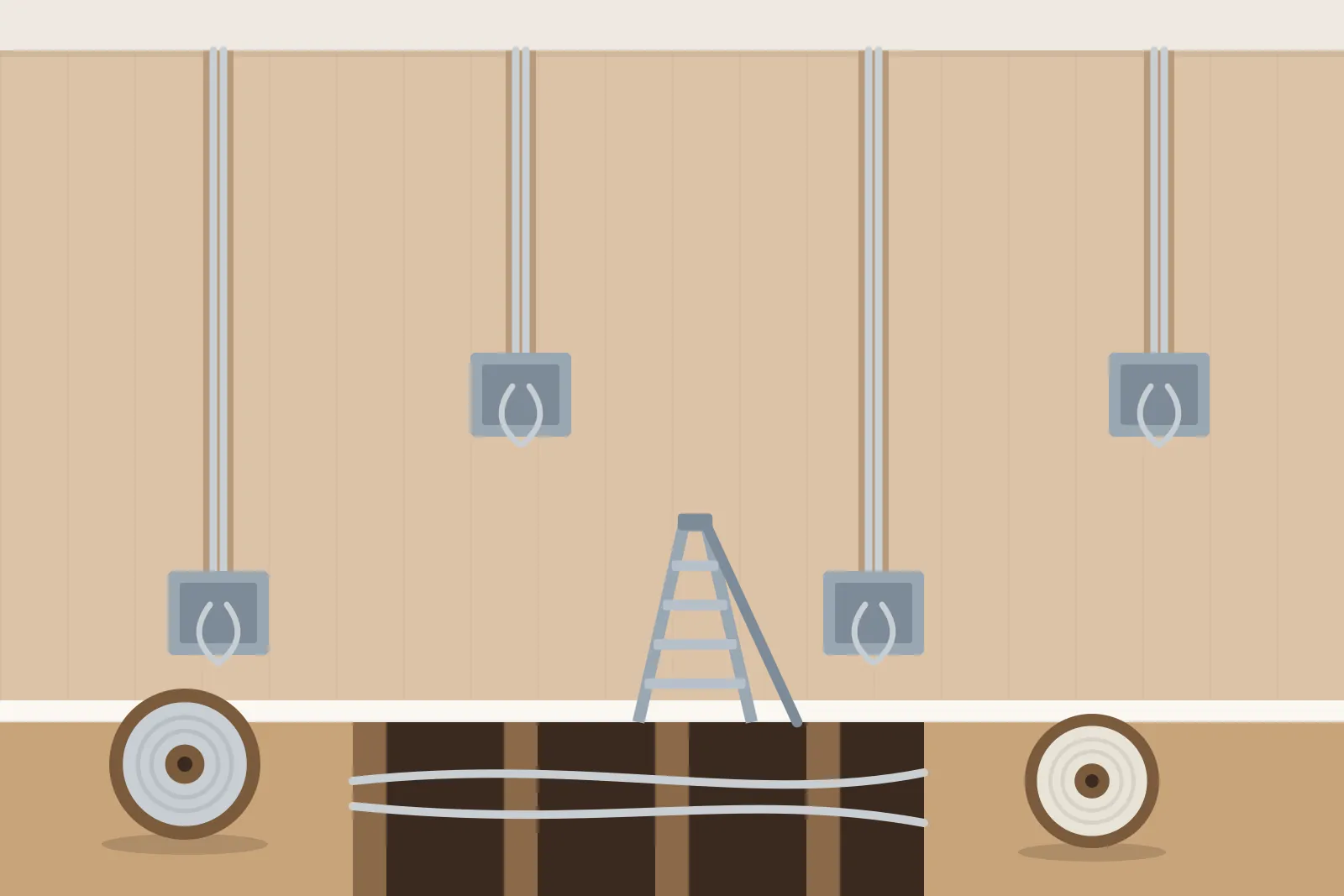
A rewire usually happens in two stages. The first fix is the disruptive part: floorboards are lifted, channels are cut into walls and new cables and back boxes go in. Then the walls are made good, and the electrician returns for the second fix to fit sockets, switches, lights and the consumer unit, then tests and certifies everything.
In a typical three-bedroom house, the electrical work often takes somewhere around one to two weeks, depending on the size of the house, whether it's occupied and how much is being added. Plastering and finishing the walls afterwards is extra.
What affects the cost
The size of the property, the number of sockets, switches and lights, whether the house is empty, wall and floor construction and whether making good is included all affect the price. See our electrician prices guide for indicative UK ranges.