Is your home suitable?
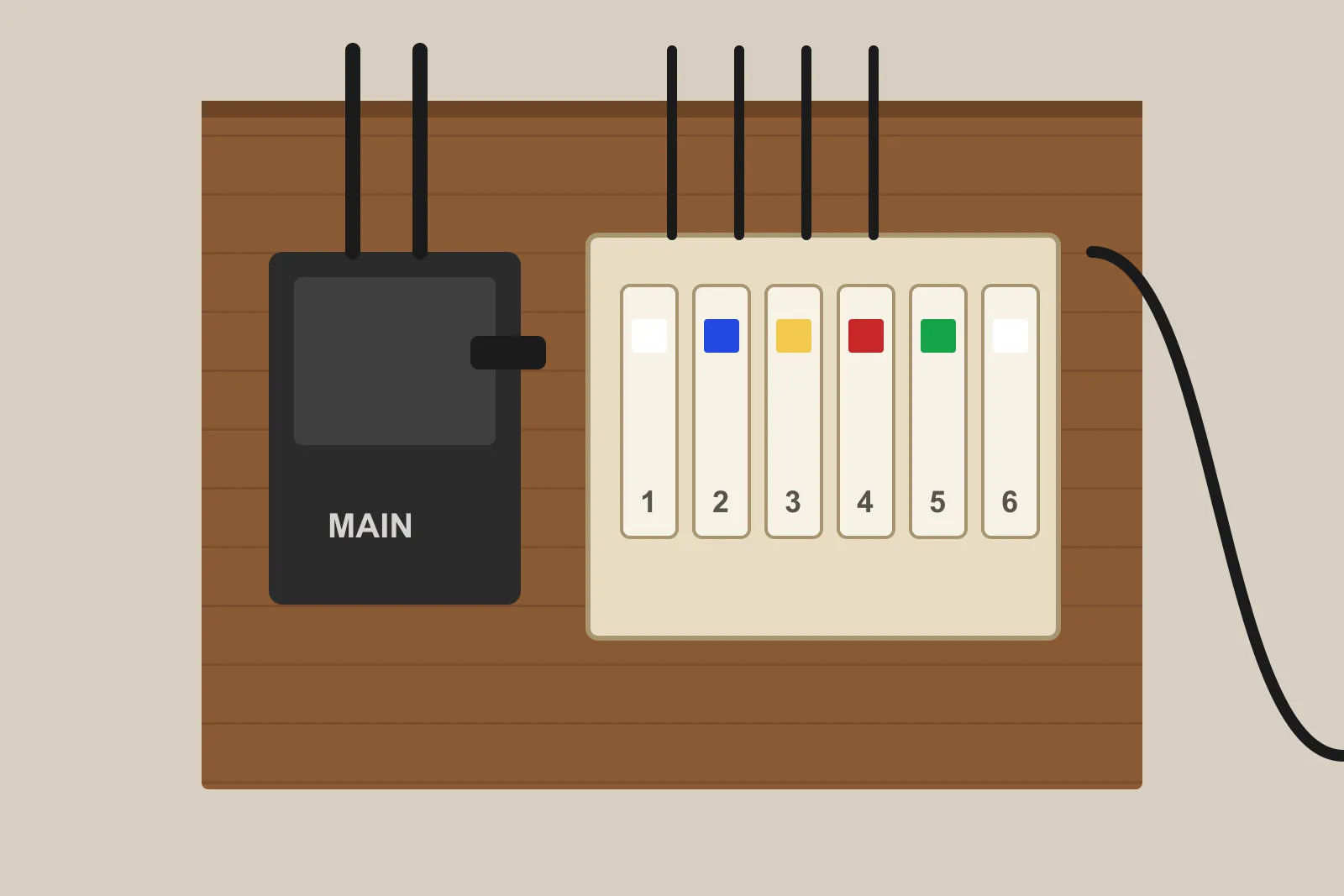
You'll need off-street parking: a driveway, garage or allocated space where the cable won't cross a public pavement. The installer will also look at your supply capacity, consumer unit, earthing and the route from the board to the charger.
Choosing a charger
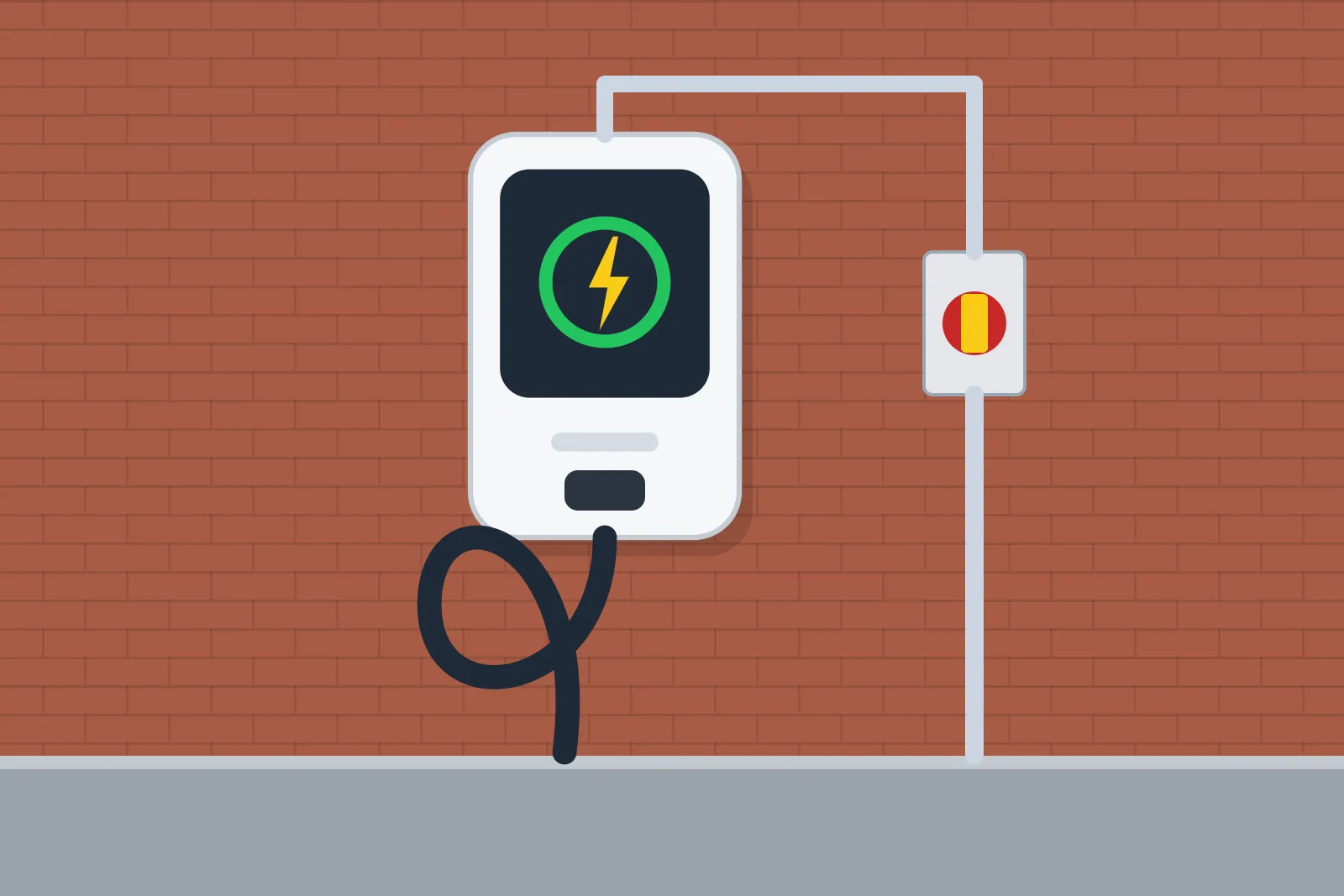
Most home chargers charge at up to around 7kW on a standard single-phase supply. 22kW chargers need a three-phase supply, which most homes don't have. Tethered chargers have a fixed cable; untethered chargers use your own cable.
Chargers installed in homes in Great Britain generally have to meet smart charge point regulations, so you can schedule charging for cheaper off-peak periods. Some models include load management to avoid overloading your supply.
- Tethered or untethered
- Cable length to reach your car's charging port
- App features and tariff integration
- Load management
- Warranty and manufacturer support
Need an electrician?
Describe the job and compare free quotes from local electricians near you.
- Free to use
- No obligation
- Compare local electricians
- Quick online form
You'll continue to our quotes partner, MyJobQuote, to describe your electrical job.
What installers will ask for
To give an accurate quote, installers commonly ask for photos of your consumer unit, meter and main fuse, the proposed charger position and the parking space, plus your car's make and model.
Costs
A standard 7kW home charger supplied and fitted often costs around £800–£1,200 in the UK, with longer cable runs, groundwork or a consumer unit upgrade adding to that. See our EV charging page for more detail.