Sockets, Switches and Electrical Fittings: Compare Quotes
Not enough sockets in the kitchen, a cracked switch, a light fitting you've always hated or nowhere to plug in the lawnmower? Describe the job and compare quotes from electricians who work near you.
- Additional sockets
- Replacement sockets
- USB and outdoor sockets
- Light switch installation
- Dimmers and smart switches
- Light fittings
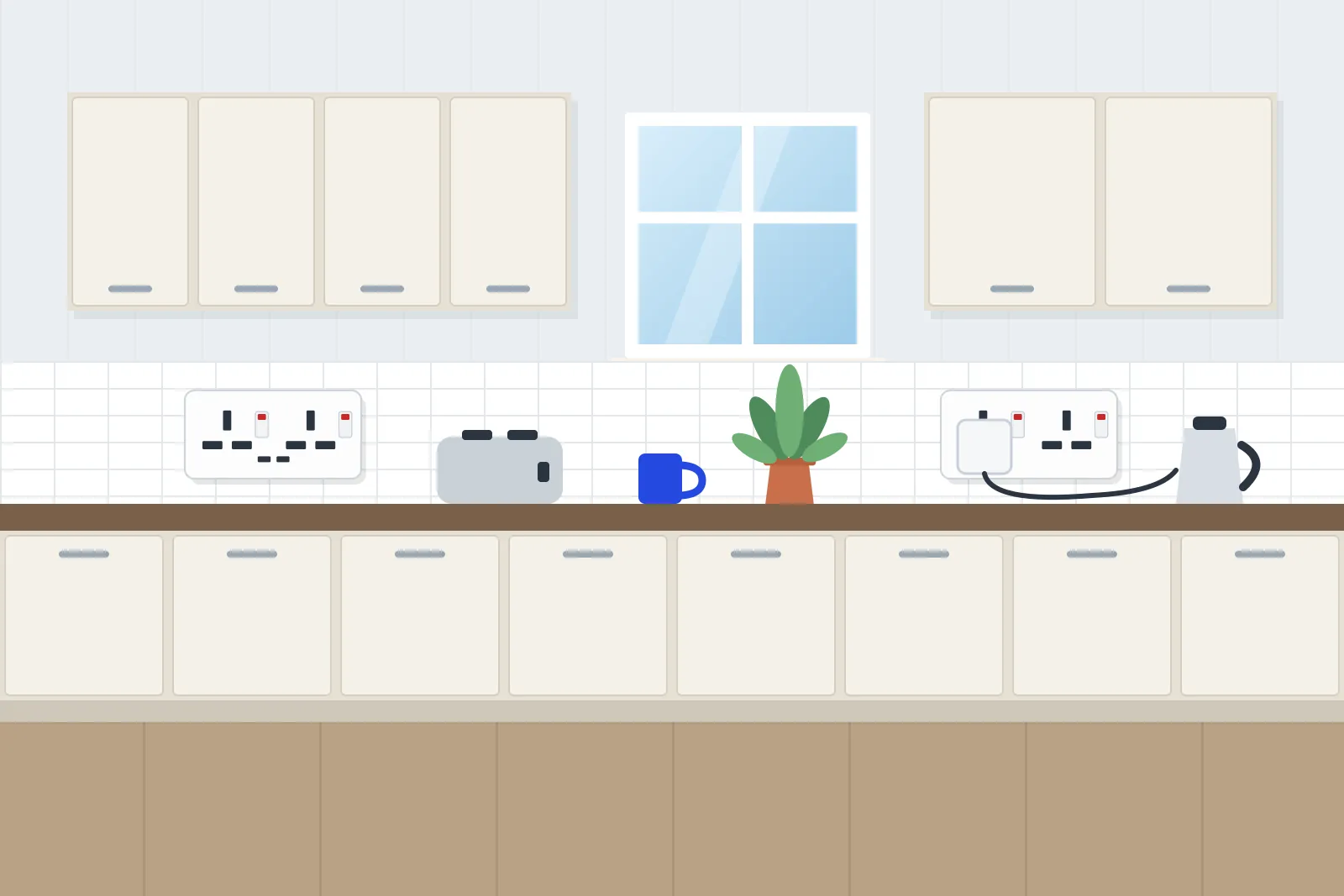
Sockets and switches are the parts of your electrics you touch every day, and they're among the most common jobs electricians are asked to quote for. Some are small – replacing a damaged faceplate or swapping a switch for a dimmer – while others, like adding several sockets in a kitchen, mean extending circuits or adding a new one.
Small jobs are usually best grouped together. Many electricians have a minimum charge or a first-hour rate, so asking them to add two sockets, replace a cracked switch and fit a new pendant in one visit is better value than three separate call-outs.
Tell electricians what you want in each room, the type of walls if you know, and whether you'd like a particular finish such as brushed steel or matt black. Photos of the existing sockets and your consumer unit help them price accurately.
Socket, switch and fitting jobs electricians quote for
Additional sockets
New double sockets where you need them, so you don't rely on extension leads and adaptors.
Replacement sockets
Replacing cracked, scorched, loose or old-style sockets with modern ones.
USB and outdoor sockets
Sockets with built-in USB charging, and weatherproof sockets for gardens, patios and garages.
Switches and dimmers
New and replacement light switches, two-way switching, dimmers and smart switches.
Light fittings
Replacing ceiling lights, adding wall lights, pendants and downlights.
Kitchen and appliance circuits
Worktop sockets, cooker connections and fused spurs for built-in appliances.
Adding and replacing sockets
Most rooms in older homes were wired for far fewer appliances than we use today. If you rely on extension leads or adaptors, adding sockets is one of the most useful and affordable electrical upgrades you can make. An electrician will check whether the existing circuit can take more sockets, or whether a new circuit is the better option.
Replacement sockets are worth arranging if a socket is cracked, loose in the wall, scorched, warm to the touch or makes crackling sounds. Those can be signs of a loose connection or damage that needs attention – stop using the socket until it's been checked.
Adding a socket usually means chasing a channel in the wall for the cable and fitting a back box, then making good the plaster. In stud walls the cable can often be fed through the cavity, which is quicker and less messy.
USB, outdoor and specialist sockets
Sockets with built-in USB-A or USB-C ports free up the plug for something else and are popular in kitchens, bedrooms and home offices. An electrician can usually swap a standard socket for a USB version in the same back box, though some models need a deeper box.
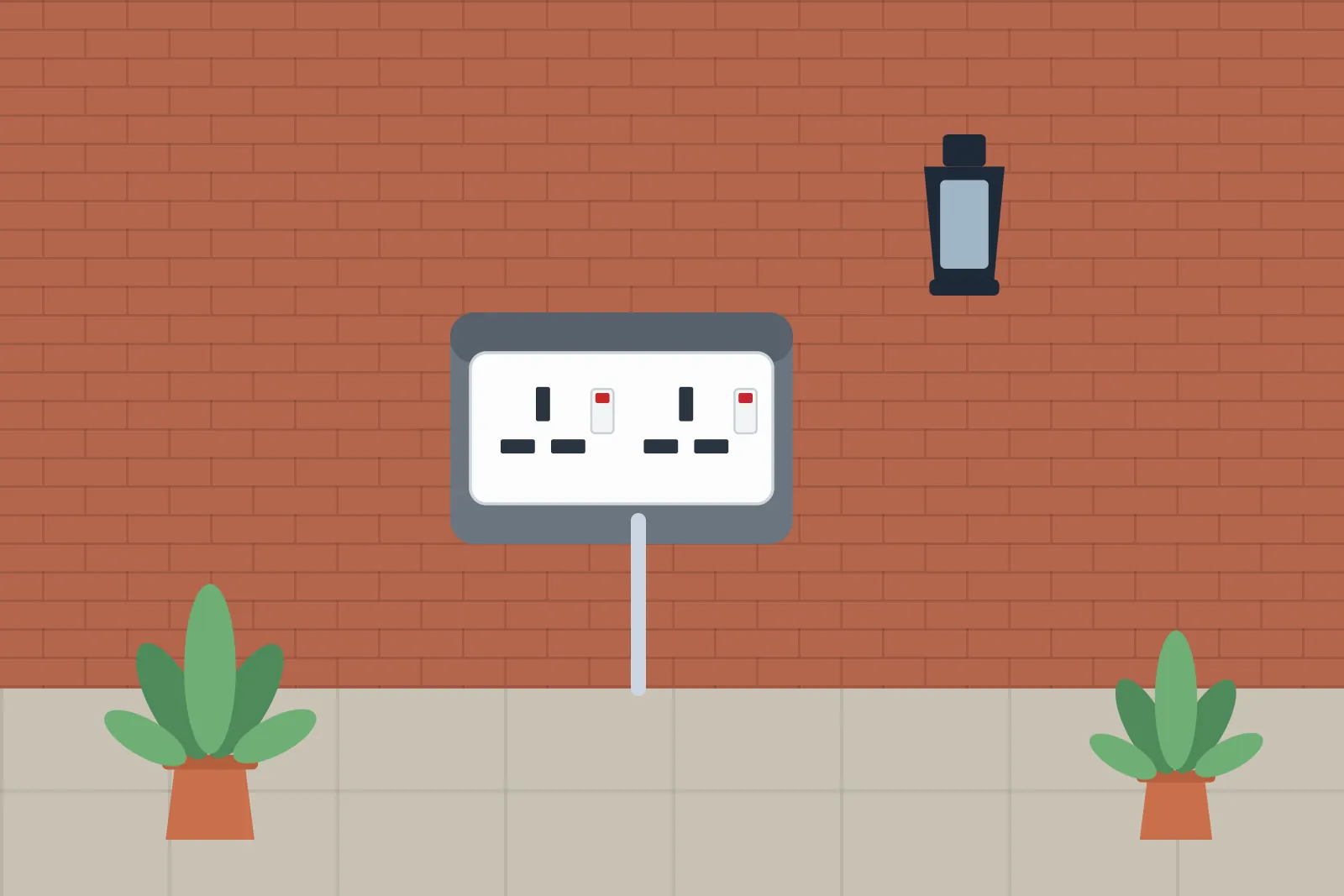
Outdoor sockets let you use power tools, lawnmowers, pressure washers and garden lighting without trailing cables through a window. They need to be suitably weatherproof for their location, RCD-protected and properly installed, so they're a job for an electrician rather than an adaptor and an extension lead.
- USB-A and USB-C sockets for phones, tablets and laptops
- Weatherproof outdoor sockets for patios, gardens and garages
- Switched fused spurs for built-in appliances and extractor fans
- Shaver sockets for bathrooms, where standard sockets aren't suitable
- Floor sockets for kitchen islands and open-plan spaces
- Metal, matt and designer finishes to match your interior
Light switches, dimmers and smart controls
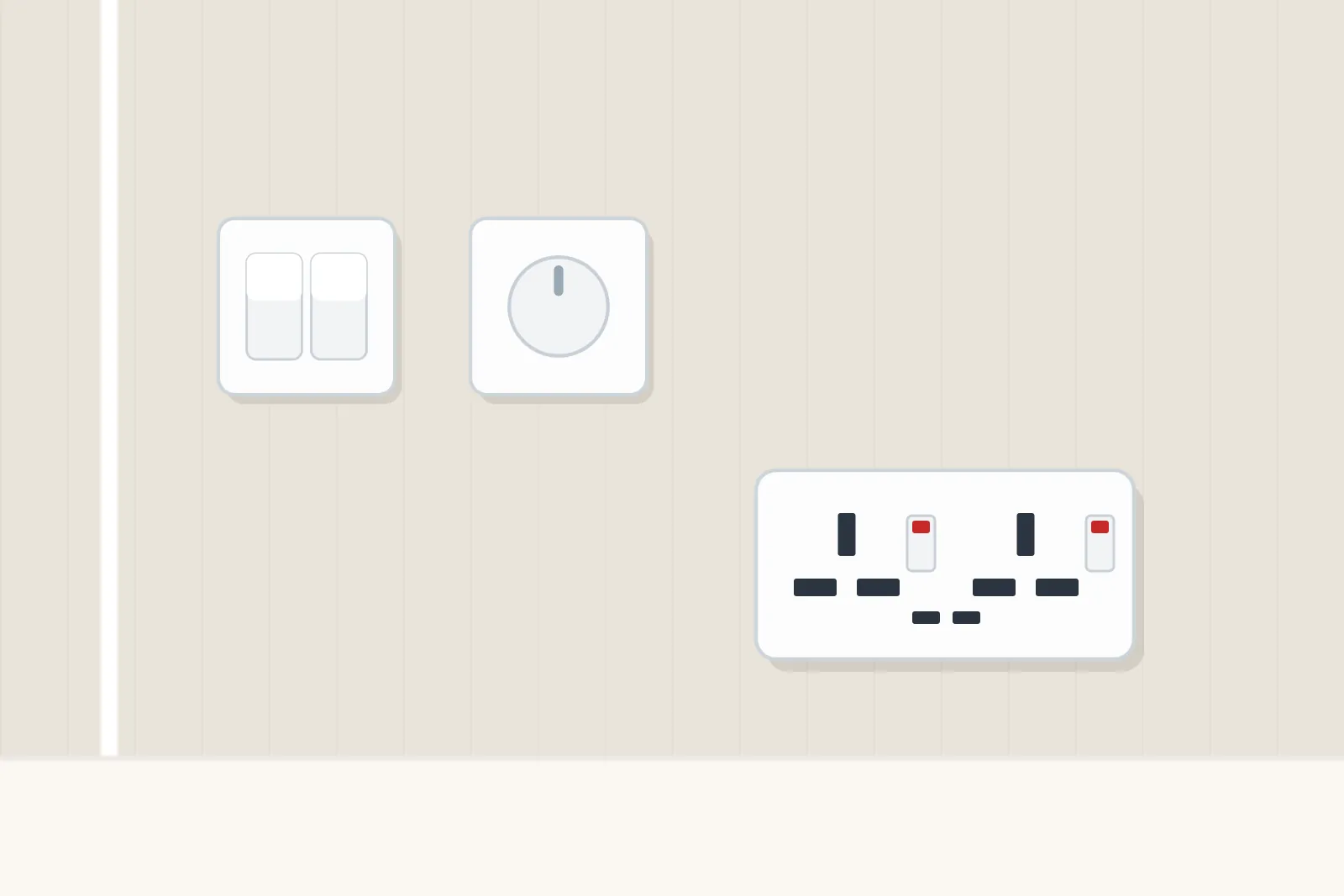
Replacing light switches is often about looks – swapping yellowed plastic for a modern finish – but it's also an opportunity to add two-way switching at the top and bottom of the stairs, a dimmer in the living room or smart switches you can control from your phone.
Dimmers and smart switches need to be compatible with the bulbs they control, particularly LEDs, otherwise lights may flicker or buzz. Some smart switches also need a neutral connection at the switch, which older installations don't always have. An electrician can check what's behind your switches and recommend products that will work.
Light fittings and electrical upgrades
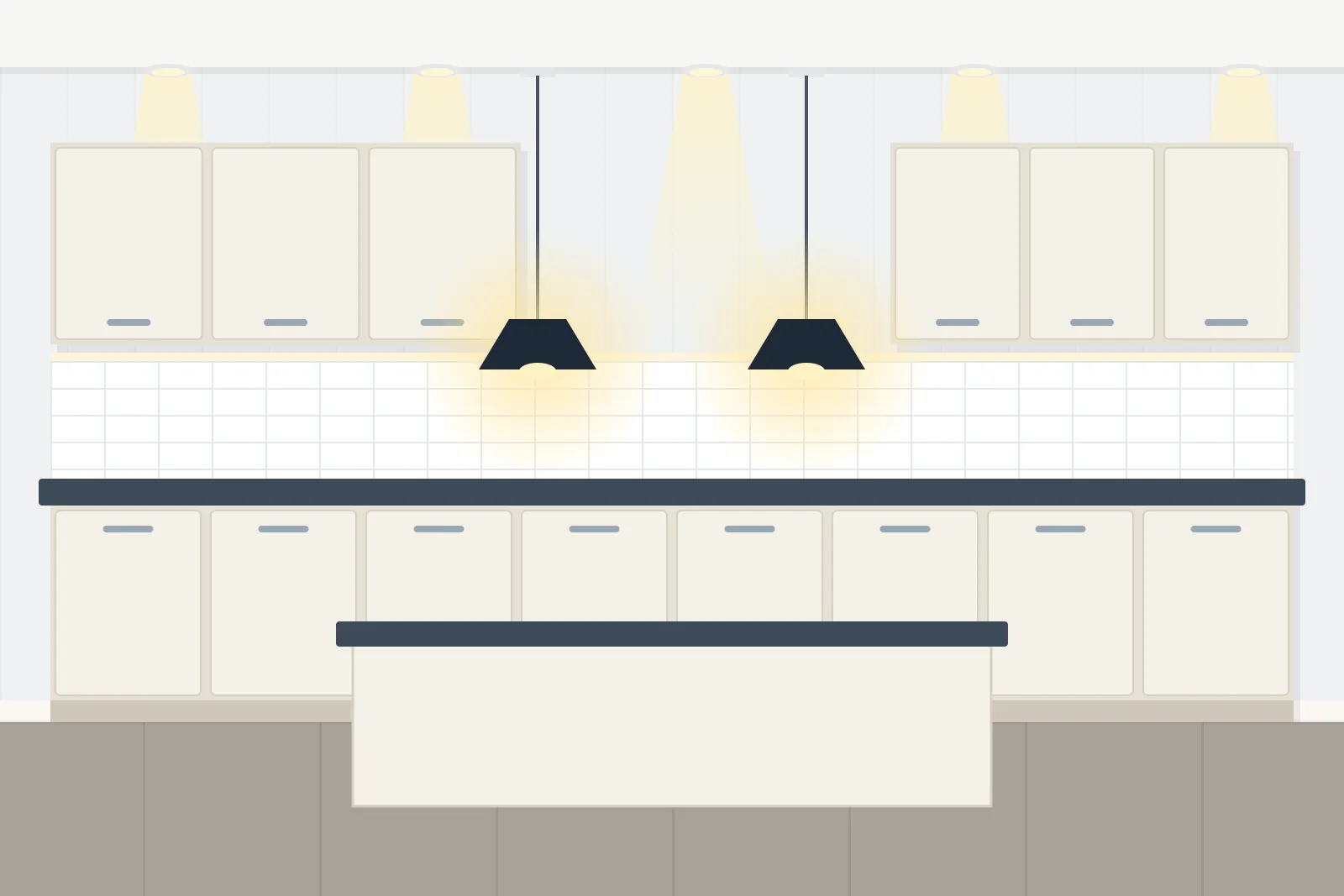
Electricians replace ceiling roses with pendants and chandeliers, add wall lights, fit downlights and under-cabinet lights in kitchens and install fittings designed for bathrooms. Heavy fittings need a secure fixing into the ceiling structure, and bathroom lights must be suitable for their position relative to the bath or shower.
If you're planning several changes – more sockets, new switches, extra lighting – it can be worth asking an electrician to inspect the installation first. Adding to old or damaged wiring isn't a good idea, and an inspection may show that a consumer unit upgrade or partial rewire would make more sense.
When to call an electrician about sockets and switches
Straight away if a socket or switch is scorched, cracked, hot to the touch, buzzing or smells of burning. Switch off the circuit at the consumer unit if it's safe to do so and stop using it until it's been checked.
For planned upgrades, the best time is before or during other work: a kitchen refit, a new floor, refurbishing a room or converting a loft. It's much easier to run cables while walls and floors are open.
Rules and safety
- Like-for-like replacement of sockets, switches and fittings is not usually notifiable in England and Wales, but adding a new circuit, or any work in a bathroom's special locations, generally is.
- Standard sockets aren't normally allowed in bathrooms except well away from the bath or shower. Shaver sockets are the usual alternative near a basin.
- Outdoor sockets and sockets likely to power equipment outdoors should be protected by an RCD.
- Ask for a minor works certificate for additions to existing circuits and an electrical installation certificate for any new circuit.
- If you're not sure whether work needs certifying, ask your electrician – a registered electrician can explain what applies to your job.
Typical socket, switch and fitting prices
Indicative UK prices for labour and standard accessories, including VAT where the electrician is VAT-registered. Small jobs often carry a minimum charge, so grouping several tasks in one visit is usually better value.
| Job | Typical UK price |
|---|---|
| Replace a socket like for like | £50–£100 |
| Add a double socket on an existing circuit | £100–£220 |
| Each additional socket in the same visit | £70–£150 |
| Replace a socket with a USB socket | £60–£120 |
| Outdoor weatherproof socket | £120–£280 |
| Replace a light switch or fit a dimmer | £40–£110 |
| Replace a ceiling light fitting | £50–£120 |
| New dedicated circuit (e.g. for a cooker) | £250–£550 |
Prices are indicative only and include VAT where the electrician is VAT-registered. Always get written quotes for your specific job.
More examples, including rewiring, consumer units, EICRs and day rates, are in our electrician prices guide.
What affects the price
- Number of jobs
- Several sockets and switches in one visit cost less per item than separate call-outs.
- Wall type
- Solid brick and stone take longer to chase than plasterboard stud walls.
- Circuit capacity
- If the existing circuit can't take more sockets, a new circuit adds cost.
- Accessory finish
- Metal, designer and smart accessories cost more than standard white plastic.
- Making good
- Whether plastering and filling after chasing is included varies between quotes.
- Consumer unit
- Older boards without RCD protection may need upgrading for some additions.
Comparing socket and switch quotes
- The number and type of sockets, switches and fittings
- The accessory brand and finish
- How cables will be routed – chased in, through voids or in trunking
- Whether making good and tidying up are included
- Testing and the certificate you'll receive
- Any minimum charge or call-out fee
Request socket and switch quotes
Describe the job, add your postcode and compare quotes from local electricians. It's free, and you're under no obligation to go ahead.
Get free socket and switch quotes
Describe your electrical job once and compare quotes from local electricians who cover your area.
- Free to use
- No obligation
- Compare local electricians
- Quick online form
You'll continue to our quotes partner, MyJobQuote, to describe your electrical job.
Sockets, Switches & Fittings near you
You can request socket and switch quotes anywhere in the UK. These cities have their own local sockets and switches page:
Electricians in more towns and cities
Related pages
Guides for sockets and switches and electrical work
- Adding sockets and switches at homeMore sockets in the right places makes a home safer and easier to live in. Here's how to plan what you need before you get quotes.
- Burning smell from a socket: what to doThat faint fishy or plasticky smell near a socket isn't something to sniff at. Here's what it might mean and what to do right now.
- Is it normal for a plug or socket to feel warm?You unplug the tumble dryer and the plug is warm. Normal, or a sign of trouble? The honest answer is: it depends how warm.
- Extension lead safety: what you need to knowWe've all got that one socket behind the TV with a tangle of leads. Here's how to stop it becoming a problem – and when it's time for a better solution.
- How many sockets do you really need?Nobody has ever said 'I wish I'd had fewer sockets'. Here's a realistic, room-by-room way to work out what you'll actually use.
- Are USB sockets worth it?No more hunting for the plug bit of your charger. USB sockets are one of those small upgrades people tend to love – but they're not all the same.
Sockets, Switches & Fittings: frequently asked questions
How much does it cost to add a socket?
As a rough guide, adding a double socket to an existing circuit often costs around £100–£220, with each extra socket in the same visit costing less. Wall type, circuit capacity and finishes all affect the price.
Can I replace a socket myself?
Electrical work carries real risks of shock and fire, and mistakes may not be obvious until something goes wrong. Using a qualified electrician means the work is tested and certified, and some work must be notified under building regulations.
Can an electrician add sockets without chasing the walls?
Sometimes. In stud walls cables can often be fed through the cavity, and in some situations surface trunking is used. Your electrician will explain the options for your walls.
Why does my socket feel warm?
A warm socket can be a sign of a loose connection, an overloaded socket or a faulty plug. Stop using it, switch off the circuit if it's safe and get an electrician to check it.
Can I have a socket in my bathroom?
Standard sockets aren't usually allowed in bathrooms except well away from the bath or shower. A shaver socket near the basin is the common alternative.
Do dimmer switches work with LED bulbs?
Only if both the dimmer and the bulbs are compatible. An electrician can recommend a dimmer suited to the LEDs you're using to avoid flicker and buzzing.
Ready to get socket and switch quotes?
One short form, local electricians, no obligation.
Get Free Quotes