Find Local Electricians
A fault that won't go away, a house that needs rewiring, more sockets, new lighting or a charger for your car – describe the job once and compare quotes from electricians who work in your area.
- Electrical installation
- Repairs and fault finding
- Rewiring
- Consumer units
- Testing and EICRs
- Lighting, sockets and EV chargers
Get quotes from local electricians
Tell us what you need – installation, repairs, rewiring or an upgrade – and compare quotes from electricians who cover your postcode.
- Free to use
- No obligation
- Compare local electricians
- Quick online form
You'll continue to our quotes partner, MyJobQuote, to describe your electrical job.
Quotes from professional electricians
Most of us only need an electrician now and then – when something stops working, when we're renovating, or when a landlord or buyer asks for a safety report. Good electricians are busy, prices vary, and it's hard to know whether a quote is fair or complete.
Electrician Quote makes that easier. You describe the job once – what you need, where it is and any problems you've noticed – and add your postcode. Independent electricians who cover your area receive the request and come back to you with a quote or to arrange a visit. You compare them and decide who, if anyone, to hire.
This page explains what electricians do, the kinds of electrical work they take on, what affects the price and how to compare quotes, so you can choose with confidence.
What does an electrician do?
- Install
- New circuits, sockets, switches, lighting, consumer units, EV chargers and wiring for extensions and refits.
- Repair
- Fault finding on tripping circuits, dead sockets, flickering lights and damaged cables, and putting them right.
- Inspect and test
- Electrical installation condition reports, testing of new work and periodic checks for landlords and businesses.
- Upgrade
- Rewires, consumer unit replacements, more sockets, better lighting and safer, more convenient controls.
Types of electrical work
Most jobs fall into a few broad types. Many electricians cover all of them; some specialise in rewires, testing, commercial work or EV chargers.

Electrical installation
Circuits, sockets and lighting for extensions, kitchens, lofts and new rooms.
Find out more →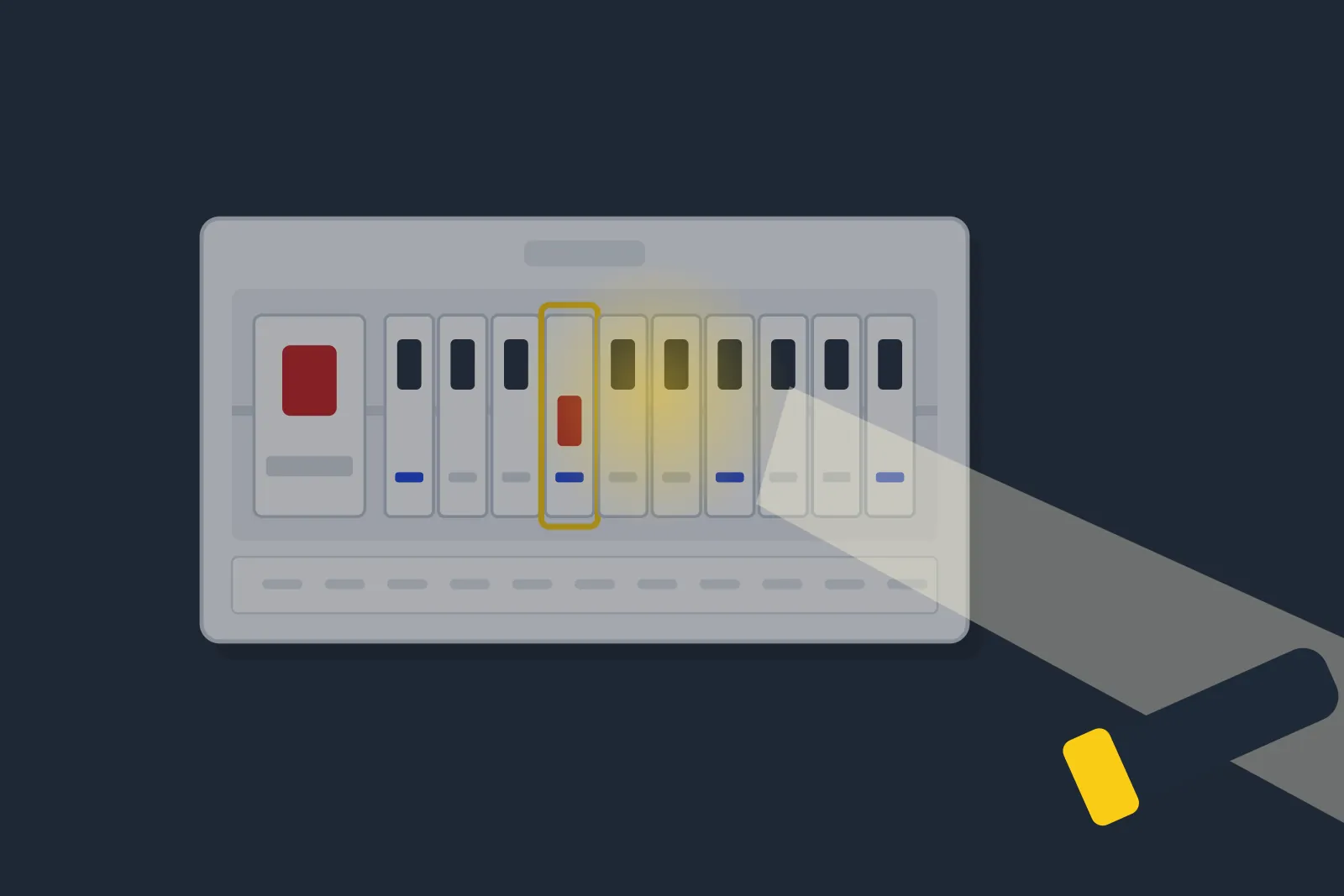
Repairs and fault finding
Trips, dead circuits, buzzing switches and burning smells traced and fixed.
Find out more →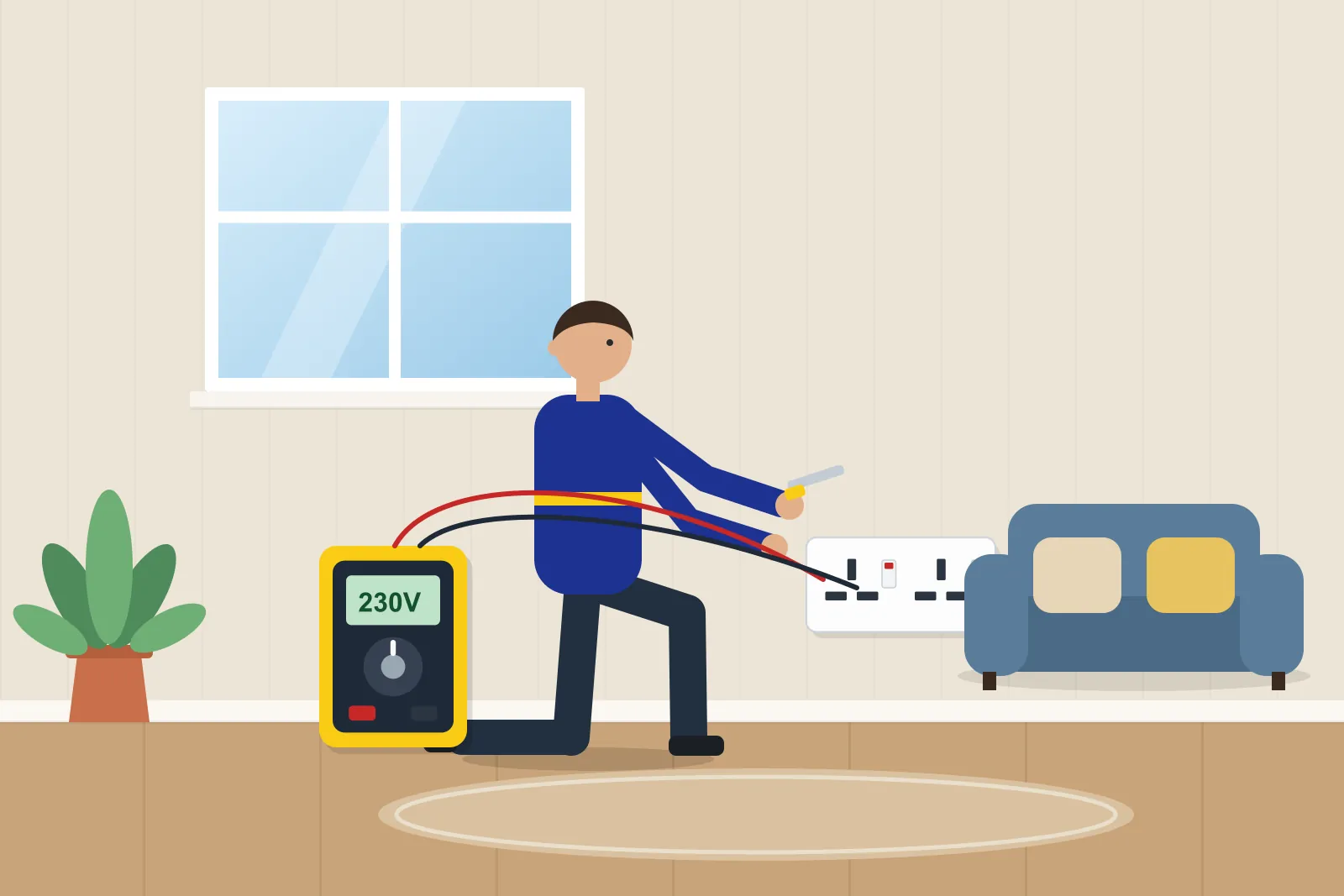
Testing and EICRs
Condition reports for homeowners, buyers, landlords and businesses.
Find out more →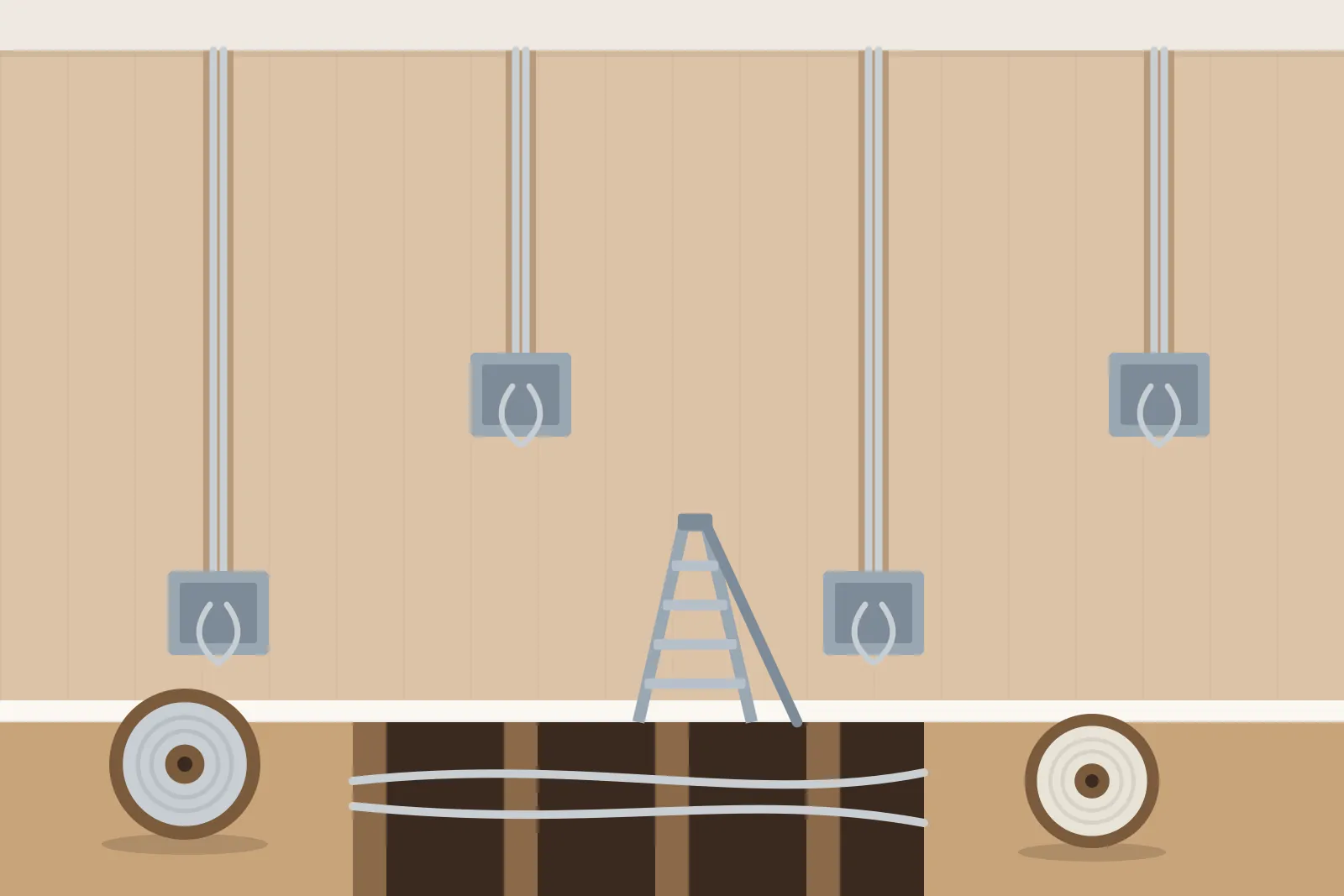
Rewiring
Full and partial rewires for older, damaged or heavily altered installations.
Find out more →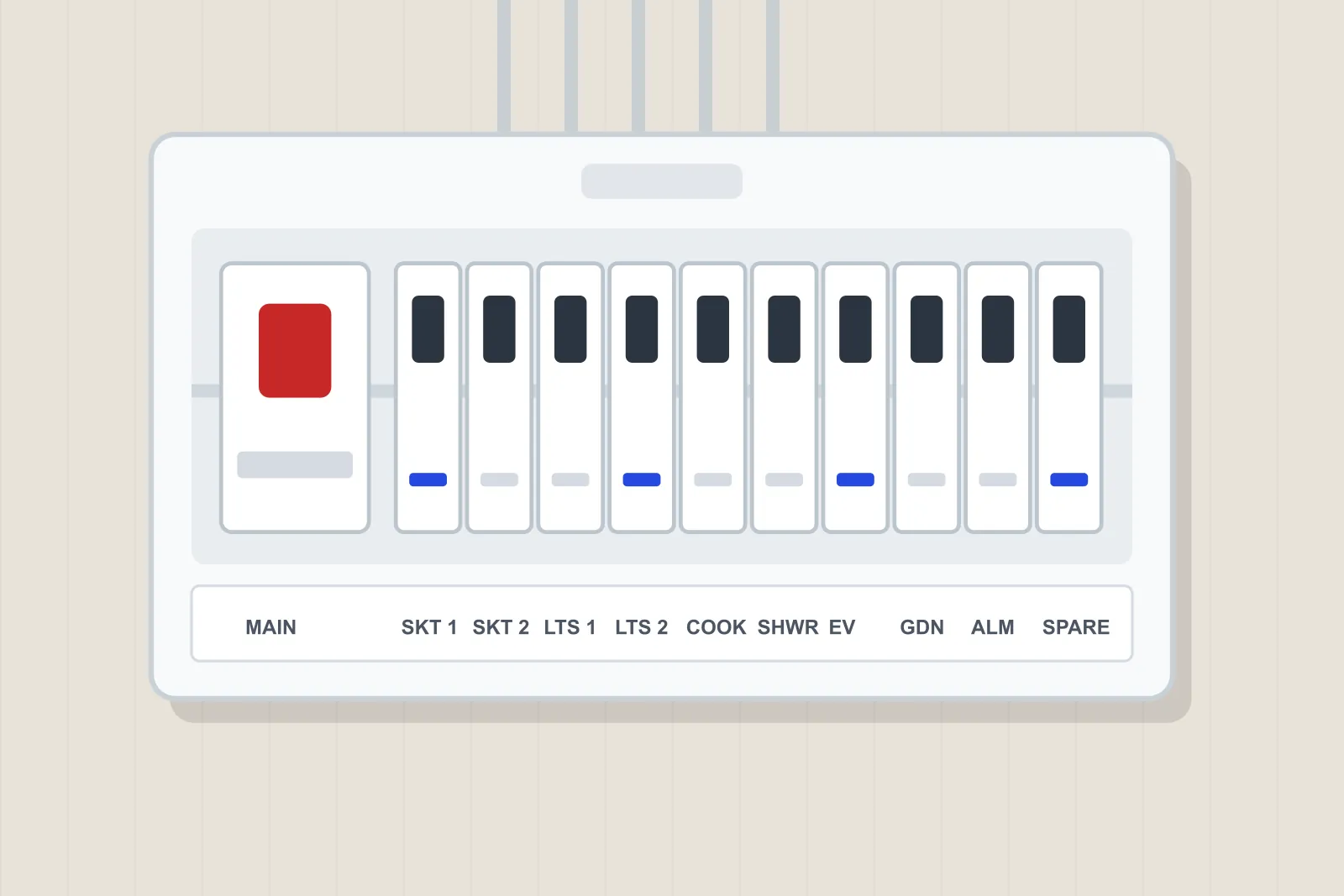
Consumer units
Replacing old fuse boxes with modern consumer units and RCD protection.
Find out more →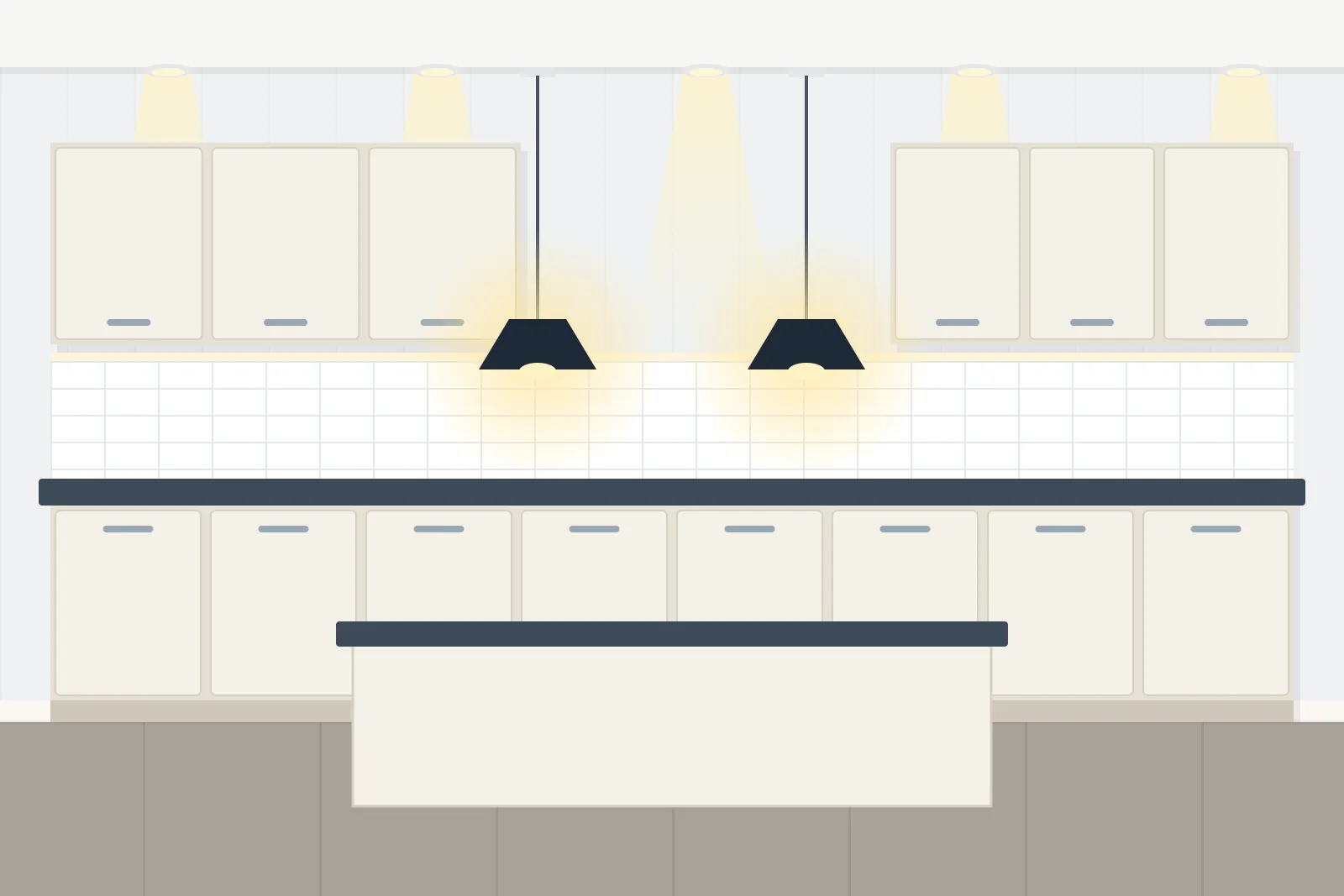
Lighting
Indoor and outdoor lighting, downlights, pendants, dimmers and smart controls.
Find out more →
Sockets, switches and fittings
Additional and replacement sockets, USB and outdoor sockets, switches and fittings.
Find out more →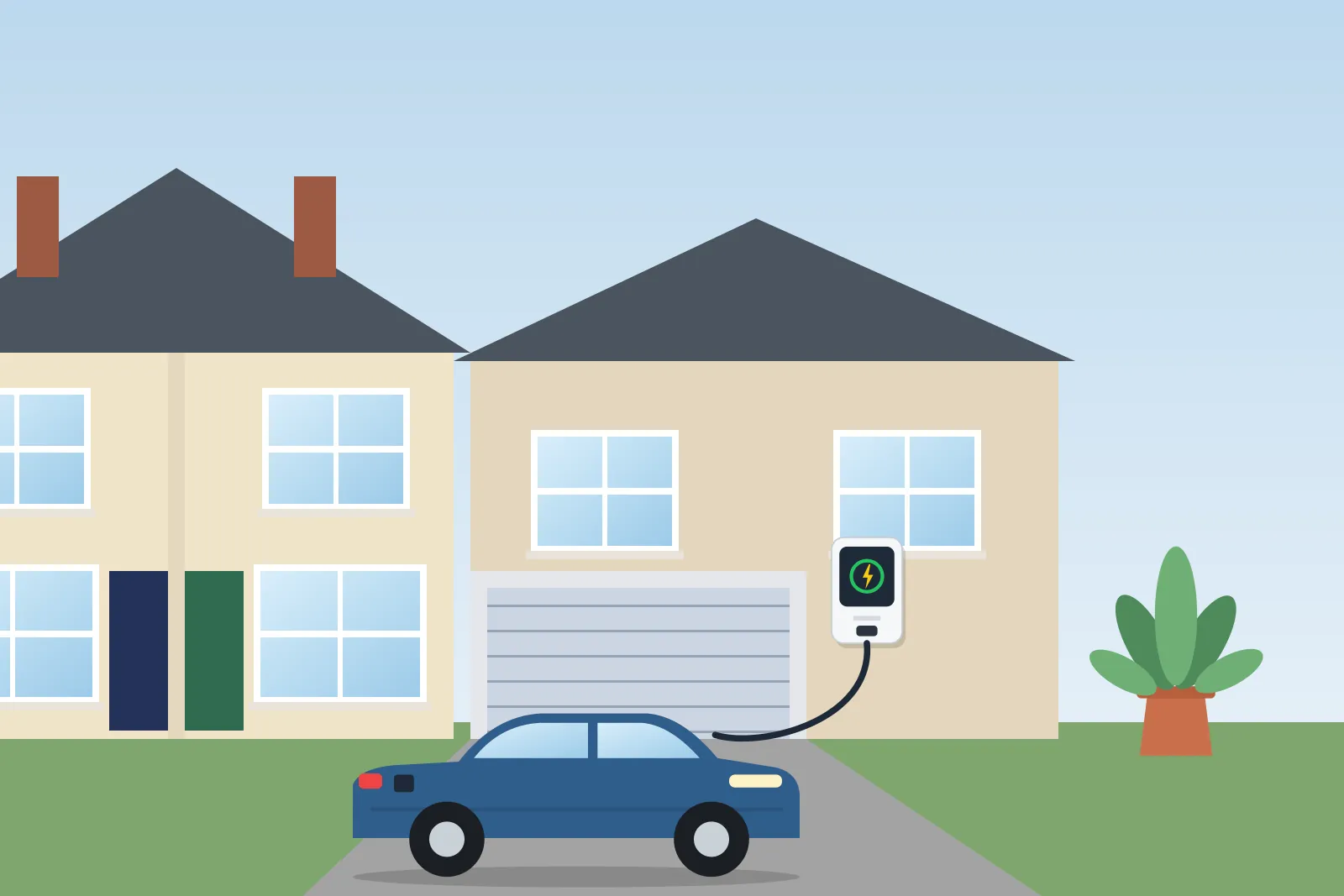
EV charger installation
Home chargers for electric cars, with supply and board checks.
Find out more →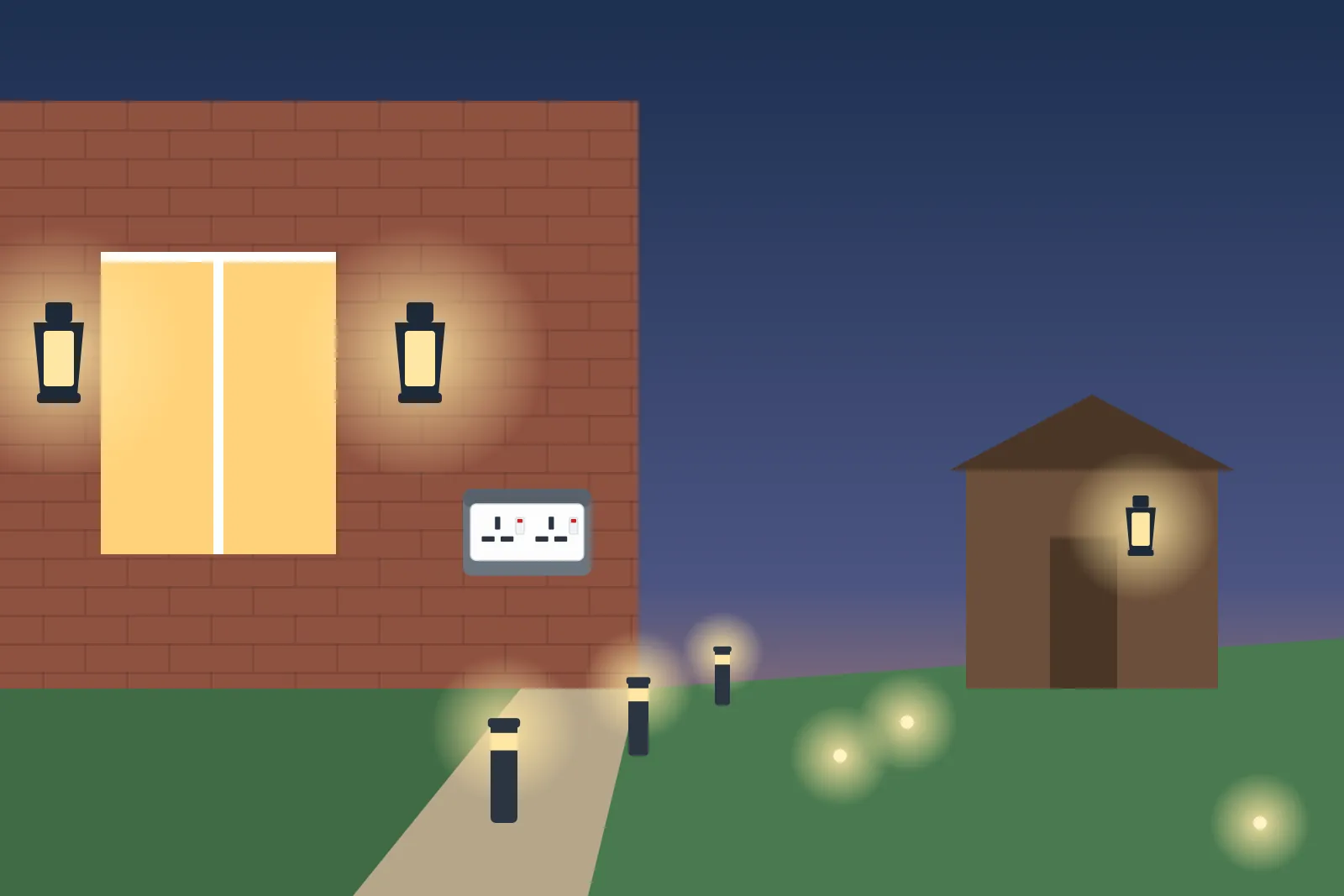
Garden and outdoor electrics
Outdoor sockets, garden lighting and power to sheds and garden rooms.
Find out more →Electrical installation
Electrical installation covers everything from a single new circuit to wiring a whole extension. Electricians design circuits to suit what they'll power, choose cables and protective devices of the right size, and plan routes through walls, floors and ceilings so the result is safe and tidy.
Most installation work happens in two stages: a first fix while walls and floors are open, when cables and back boxes go in, and a second fix after plastering, when sockets, switches and fittings are connected and everything is tested. If you're having a kitchen, bathroom, extension or loft conversion done, bring the electrician in early so the first fix fits the build programme.
New circuits are notifiable work in England and Wales, so you should receive an electrical installation certificate at the end.
- Kitchen and bathroom circuits
- Extension and loft conversion wiring
- Cooker and hob circuits
- Electric shower circuits
- Home office power
- Garden room supplies
Electrical repairs, fault finding and emergencies
When something stops working or keeps tripping, an electrician finds the cause by testing circuits methodically rather than guessing. Common culprits include water in outdoor fittings, damaged cables, loose connections, failing accessories and faulty appliances.
Some faults are urgent. A burning smell, scorch marks, sparking, a socket that's hot to the touch or a shock from a fitting all need prompt attention – switch off the affected circuit if it's safe to do so and call an electrician. Many electricians offer emergency call-outs, usually at a higher rate outside normal hours.
If the whole street has lost power, the problem is likely on the network rather than in your home. In England, Scotland and Wales you can call 105 to report a power cut.
- Tripping circuits and RCDs
- Dead sockets and lights
- Flickering or buzzing lights
- Burning smells and scorch marks
- Water-damaged fittings
- Emergency call-outs
Electrical testing, inspections and maintenance
An electrical installation condition report (EICR) is a thorough inspection and test of a property's fixed wiring. The electrician records anything that's dangerous, potentially dangerous or in need of improvement, using codes that show how urgent each item is.
Private landlords in England must have their installations inspected and tested at least every five years and give tenants a copy of the report, and similar rules apply in Scotland and Wales. For homeowners, a periodic EICR is recommended and is a wise check when buying a house or planning major work.
Businesses also need their installations maintained and tested regularly, along with emergency lighting and fire alarm systems where these are installed.
- Landlord EICRs
- Pre-purchase inspections
- Remedial work after an EICR
- Commercial periodic testing
- Emergency lighting tests
- Smoke and heat alarms
House rewiring: full and partial rewires
Wiring deteriorates with age and alterations. Old fuse boxes, rubber- or fabric-covered cables, sockets in skirting boards and frequent trips are all signs a rewire may be needed – but an inspection gives the reliable answer.
A full rewire replaces all the fixed wiring and accessories and usually the consumer unit. A partial rewire replaces only the circuits that need it. Either way, it's a disruptive job, so it's best done before plastering, flooring and other finishes, ideally while the house is empty.
A rewire is a good moment to add sockets where you need them, improve lighting, fit mains-wired smoke alarms and plan for an EV charger.
- Full rewires
- Partial rewires
- Rewires during renovations
- Flat and tenement rewires
- Period property rewiring
- Making good afterwards (check quotes)
Consumer units and fuse boxes
The consumer unit protects every circuit in your home. Modern units have circuit breakers and RCDs that switch off quickly if there's a fault, giving far more protection than an old fuse box with rewireable fuses.
Electricians recommend an upgrade when there's no RCD protection, the board is damaged or full, or you're adding significant new loads such as an EV charger, electric shower or extension. Before fitting a new board, they test the existing circuits, because faults that an old fuse box tolerated can cause trips on a modern one.
- Fuse box replacements
- RCD and RCBO protection
- Boards for extensions and chargers
- Surge protection where recommended
- Labelled, tested circuits
- Certification on completion
Lighting installation: indoor and outdoor
Good lighting changes how a room works. Electricians install ceiling lights, pendants, wall lights, downlights, under-cabinet lighting, lamp circuits, dimmers and smart controls, and replace older fittings with efficient LEDs.
Outside, they fit wall lights, PIR security lights, path and garden lighting and feature lighting, using fittings rated for outdoor use and circuits with suitable protection. Bathroom lighting must also suit its position relative to the bath or shower.
- Downlights and spotlights
- Pendants and chandeliers
- Kitchen task lighting
- Dimmers and smart switches
- Bathroom lighting
- Outdoor and security lighting
Garden and outdoor electrics
Outdoor sockets, garden lighting and power to sheds, garages, workshops and garden rooms all need fittings suitable for the weather and circuits protected by RCDs. Supplies to outbuildings usually use armoured cable or cable in ducting, buried at a suitable depth or fixed securely.
If you're planning a garden office, hot tub or EV charger, tell the electrician – they can size the supply for what you'll need in future.
- Outdoor sockets
- Garden and path lighting
- Security lighting
- Shed and garage supplies
- Garden room electrics
- Hot tub circuits
EV chargers, sockets and switches
Two of the most requested jobs have their own guides, with typical prices, what's involved and local pages for major cities.
Electric Car Charging
Home EV charger installation by qualified electricians – supply checks, charger positioning, replacements and upgrades for driveways and garages.
- Home EV charger installation
- Supply and board checks
- Tethered or untethered chargers
- Garage and driveway chargers
Sockets, Switches & Fittings
Additional sockets, replacement sockets and switches, USB and outdoor sockets, dimmers and light fittings – installed by local electricians.
- Additional sockets
- Replacement sockets
- USB and outdoor sockets
- Light switch installation
Domestic electricians
Most requests come from homeowners, landlords and tenants: faults, extra sockets, new lighting, consumer units, rewires, condition reports and EV chargers. Domestic electricians are used to working in occupied homes, protecting floors and furniture and keeping the power off for as little time as possible.
Landlords can combine an EICR with remedial work and alarm upgrades in one visit, so the property is ready for the next tenancy.
Commercial electricians
Shops, offices, cafés, surgeries, guest houses and small industrial units need lighting upgrades, new socket layouts, periodic testing, emergency lighting and repairs. Work is often scheduled outside opening hours to keep disruption down.
Larger premises may have three-phase supplies and more complex systems. Describe the type of premises and what you need when you request quotes, so you hear from electricians experienced in commercial work.

When to call an electrician
Call a professional when:
- Anything beyond changing a bulb or resetting a tripped switch once – electrical work carries real risks of shock and fire.
- Your electrics keep tripping, or sockets and lights have stopped working.
- You notice burning smells, scorch marks, buzzing or warm sockets.
- You're buying a home, letting a property or haven't had the electrics checked in years.
- You're extending, converting a loft or refitting a kitchen or bathroom.
- You want more sockets, better lighting, an EV charger or outdoor power.
Regulations and certification
In England and Wales, notifiable electrical work – such as new circuits, consumer unit replacements and work in bathrooms – must comply with Part P of the Building Regulations. Electricians registered with a competent person scheme can self-certify it.
Scotland and Northern Ireland have their own building regulations. Wherever you live, ask for the right certificate at the end of the job: an electrical installation certificate for new circuits, or a minor works certificate for smaller additions.
What affects the cost of an electrician
Electricians price each job on its own merits, usually after a visit or from photos. These are the main things that move a quote up or down:
- Type and size of job
- A socket swap is a short visit; a full rewire can take a week or more.
- Condition of the installation
- Older or faulty wiring may need remedial work before new work can be added.
- Wall and floor construction
- Solid brick, stone and concrete take longer to chase than stud walls and suspended floors.
- Materials and finishes
- Consumer unit type, charger model and designer accessories affect the total.
- Access and location
- Parking, stairs, building rules and travel all add time, and London rates tend to be higher.
- Timing
- Emergency and out-of-hours work costs more than planned work.
Want example prices for a rewire, consumer unit, EICR or new sockets?
See electrician pricesChoosing between electrician quotes
When the quotes come in, compare these points as well as the price. Our guides to comparing electrician quotes and choosing an electrician go into more detail.
- How the electrician will certify the work, and which certificate you'll get
- Registration with a competent person scheme (England and Wales)
- Public liability insurance
- An itemised written quote
- Whether making good and clearing up are included
- How hidden faults found during the job will be priced
- Start date, duration and payment terms
- Guarantee on the workmanship
Electricians near you
We have local pages for 179 towns and cities, each covering the homes, typical electrical jobs and local factors in that area. Choose yours for local advice and quotes.
Electricians in England
- Ashford
- Aylesbury
- Barnsley
- Barnstaple
- Basildon
- Basingstoke
- Bath
- Bedford
- Beverley
- Bexleyheath
- Birkenhead
- Birmingham
- Blackburn
- Blackpool
- Bolton
- Bournemouth
- Bracknell
- Bradford
- Bridgwater
- Brighton
- Bristol
- Bromley
- Burnley
- Bury
- Bury St Edmunds
- Cambridge
- Canterbury
- Carlisle
- Chatham
- Chelmsford
- Cheltenham
- Chester
- Chesterfield
- Chichester
- Colchester
- Coventry
- Crawley
- Crewe
- Croydon
- Darlington
- Derby
- Doncaster
- Dudley
- Durham
- Ealing
- Eastbourne
- Enfield
- Exeter
- Gateshead
- Gloucester
- Grantham
- Great Yarmouth
- Grimsby
- Guildford
- Halifax
- Harlow
- Harrogate
- Harrow
- Hartlepool
- Hastings
- Hemel Hempstead
- Hereford
- High Wycombe
- Horsham
- Huddersfield
- Hull
- Ilford
- Ipswich
- Kettering
- Kidderminster
- King's Lynn
- Kingston upon Thames
- Lancaster
- Leamington Spa
- Leeds
- Leicester
- Lincoln
- Liverpool
- London
- Loughborough
- Luton
- Macclesfield
- Maidstone
- Manchester
- Mansfield
- Margate
- Middlesbrough
- Milton Keynes
- Newark-on-Trent
- Newcastle upon Tyne
- Northampton
- Norwich
- Nottingham
- Nuneaton
- Oldham
- Oxford
- Peterborough
- Plymouth
- Poole
- Portsmouth
- Preston
- Reading
- Rochdale
- Romford
- Rotherham
- Rugby
- Salford
- Salisbury
- Scarborough
- Scunthorpe
- Sheffield
- Shrewsbury
- Slough
- Solihull
- South Shields
- Southampton
- Southend-on-Sea
- Southport
- St Albans
- St Helens
- Stafford
- Stevenage
- Stockport
- Stockton-on-Tees
- Stoke-on-Trent
- Sunderland
- Sutton
- Swindon
- Taunton
- Telford
- Torquay
- Truro
- Tunbridge Wells
- Twickenham
- Uxbridge
- Wakefield
- Walsall
- Walthamstow
- Warrington
- Watford
- West Bromwich
- Weston-super-Mare
- Weymouth
- Wigan
- Winchester
- Woking
- Wolverhampton
- Worcester
- Worthing
- Yeovil
- York
Electricians in Scotland
Electricians: FAQs
What does an electrician do?
Electricians install, repair, inspect and test electrical systems – wiring, consumer units, sockets, switches, lighting and equipment such as EV chargers – in homes and businesses.
How do I find a good local electrician?
Get two or three quotes, check how each electrician will certify the work, ask about insurance and compare what's included. Requesting quotes through Electrician Quote means you describe the job once and local electricians get in touch.
How much do electricians charge?
It depends on the job and location. Many electricians charge a day rate somewhere around £250–£450, with London often higher, but most give a fixed price for a defined job. See our electrician prices guide for indicative ranges.
Do electricians work on commercial properties?
Many do, from shops and offices to cafés and small industrial units. Mention the type of premises and whether work needs to be done out of hours when you request quotes.
Is electrical work covered by building regulations?
In England and Wales, certain work – new circuits, consumer unit replacements and work in bathrooms – is notifiable under Part P. Scotland and Northern Ireland have their own regulations. A registered electrician will explain what applies.
Can I do my own electrical work?
Electrical work carries real risks, and notifiable work must be certified. We recommend using a qualified electrician for anything beyond changing a bulb or resetting a tripped switch.
Is Electrician Quote free to use?
Yes. Requesting quotes is free and there's no obligation to accept any of them. Electrician Quote introduces you to independent local electricians; we don't carry out electrical work ourselves.
Get quotes from local electricians
Describe your job once and hear from electricians near you. Get Free Quotes – there's no obligation.
Get Electrician Quotes