Earthing in one paragraph
Earthing gives electricity a safe path to the ground if something goes wrong – for example, if a live wire touches the metal case of an appliance. Instead of the case becoming live and waiting for someone to touch it, the fault current flows to earth and the protective device trips.
How UK homes are earthed
There are a few common arrangements, and your electrician will identify yours:
- TN-C-S (often called PME) – the earth is provided via the network's neutral conductor; very common in UK homes
- TN-S – a separate earth, often the metal sheath of an older underground supply cable
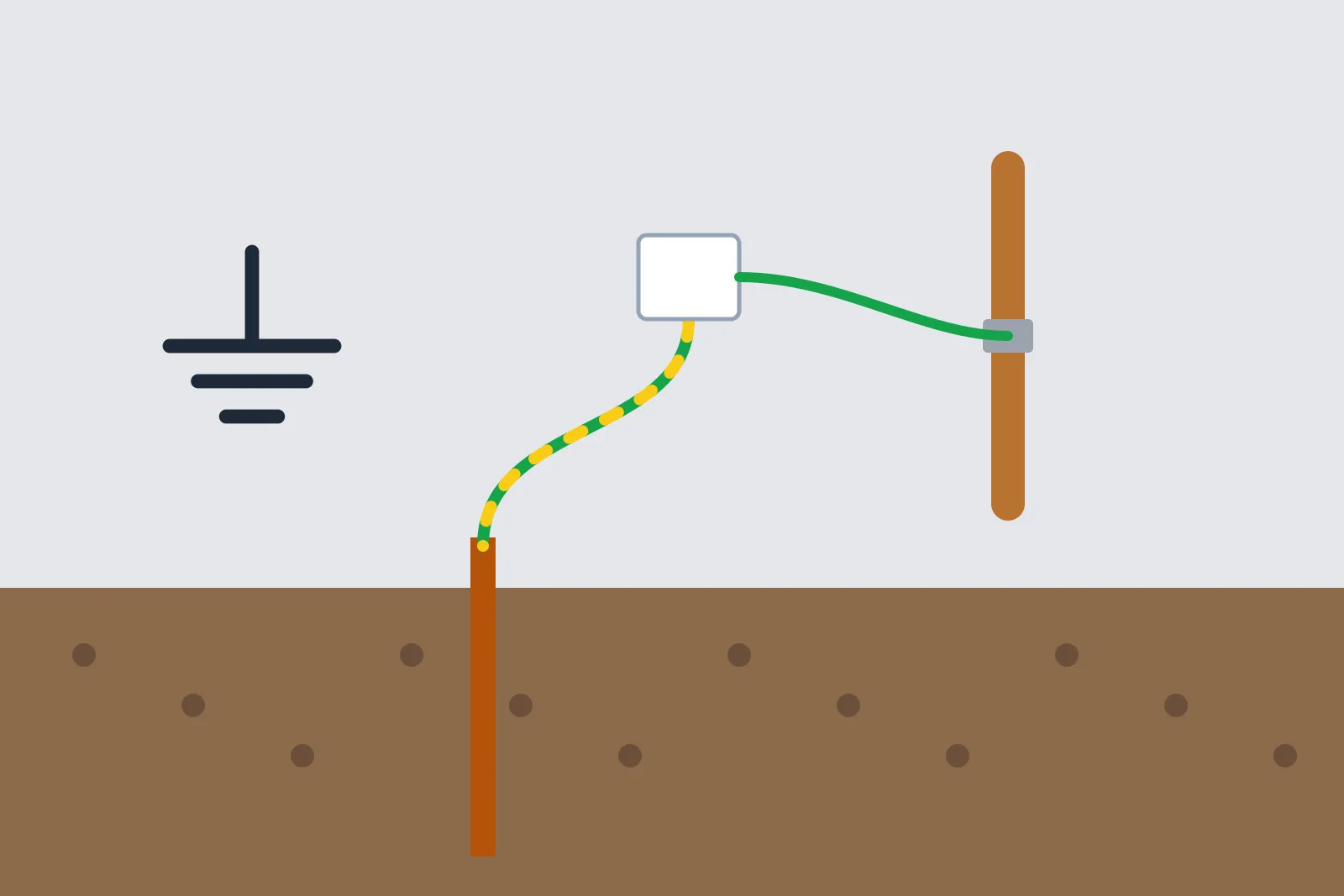
- TT – your own earth rod in the ground, typical in rural homes with overhead supplies
Need an electrician?
Describe the job and compare free quotes from local electricians near you.
- Free to use
- No obligation
- Compare local electricians
- Quick online form
You'll continue to our quotes partner, MyJobQuote, to describe your electrical job.
What bonding is
Main protective bonding connects metal services entering your home – typically water and gas pipes – to the main earthing terminal with green and yellow cable. It means that if a fault occurs, those metal pipes can't sit at a dangerously different voltage from everything else.
Older homes sometimes have bonding that's missing, undersized or loose. It's one of the most common items noted on condition reports, and usually a quick fix.
Why it matters for EV chargers
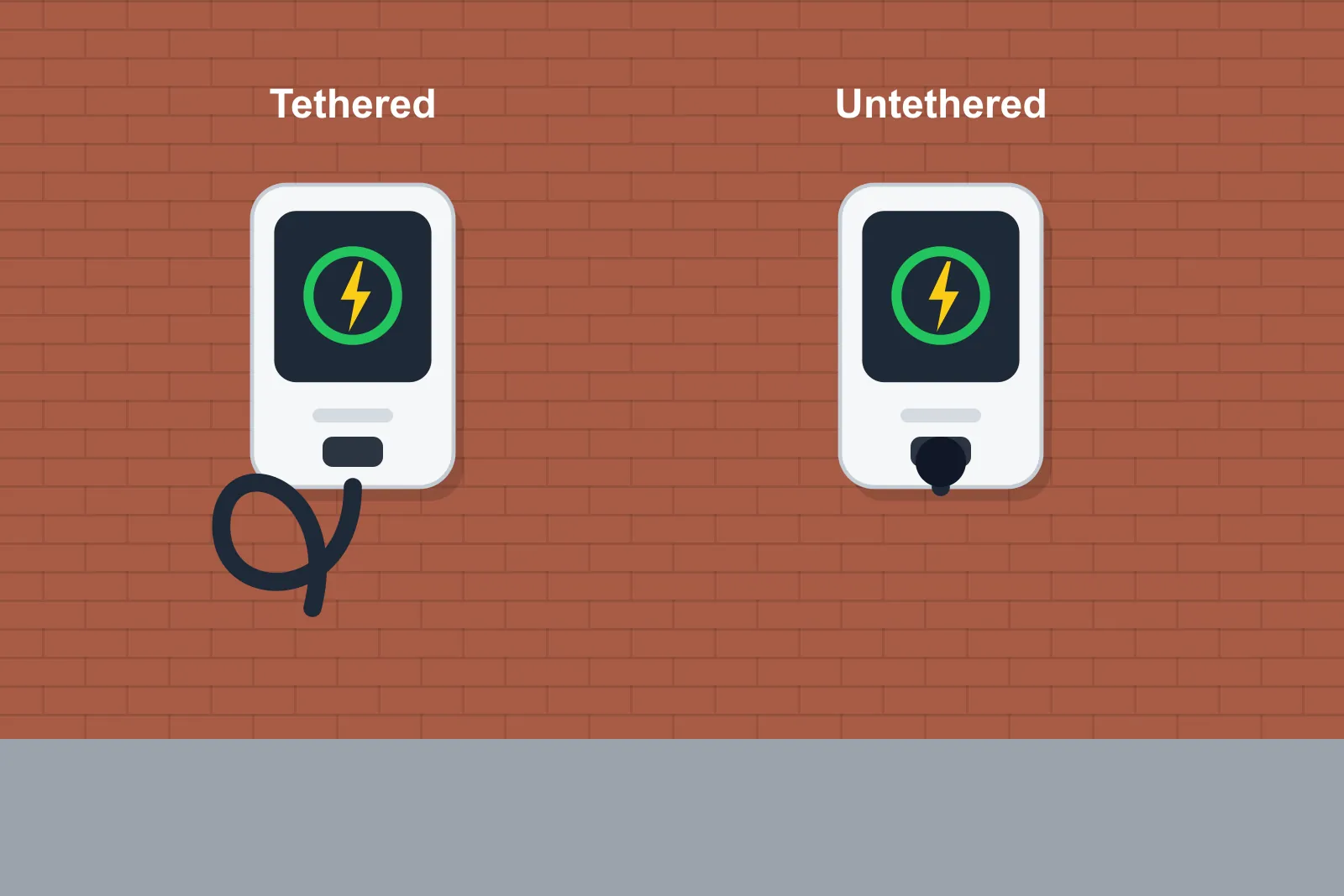
EV chargers are outdoors and connected to a car, so earthing arrangements need extra thought. Many chargers include built-in protection; others need an earth rod. Your installer will work out what's needed for your supply.