Yes, but slowly
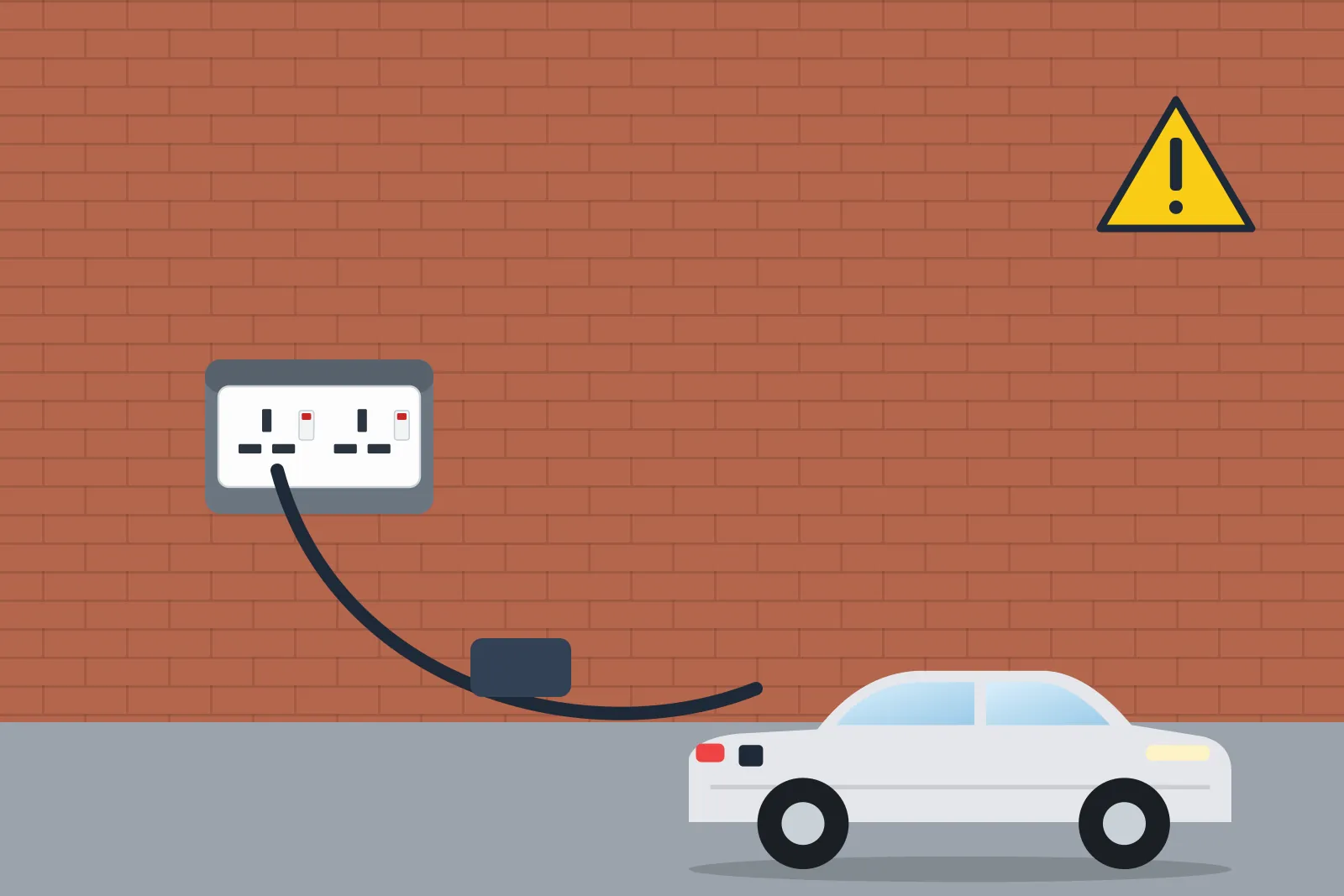
Many EVs come with a portable cable – often nicknamed a 'granny charger' – that plugs into a standard socket. It charges at a fraction of the speed of a dedicated home charger, so a full charge can take a day or more.
The safety side
Charging draws a high current for many hours, which is tougher on a domestic socket than most appliances. Older sockets, worn contacts and loose connections can run hot under that sustained load.
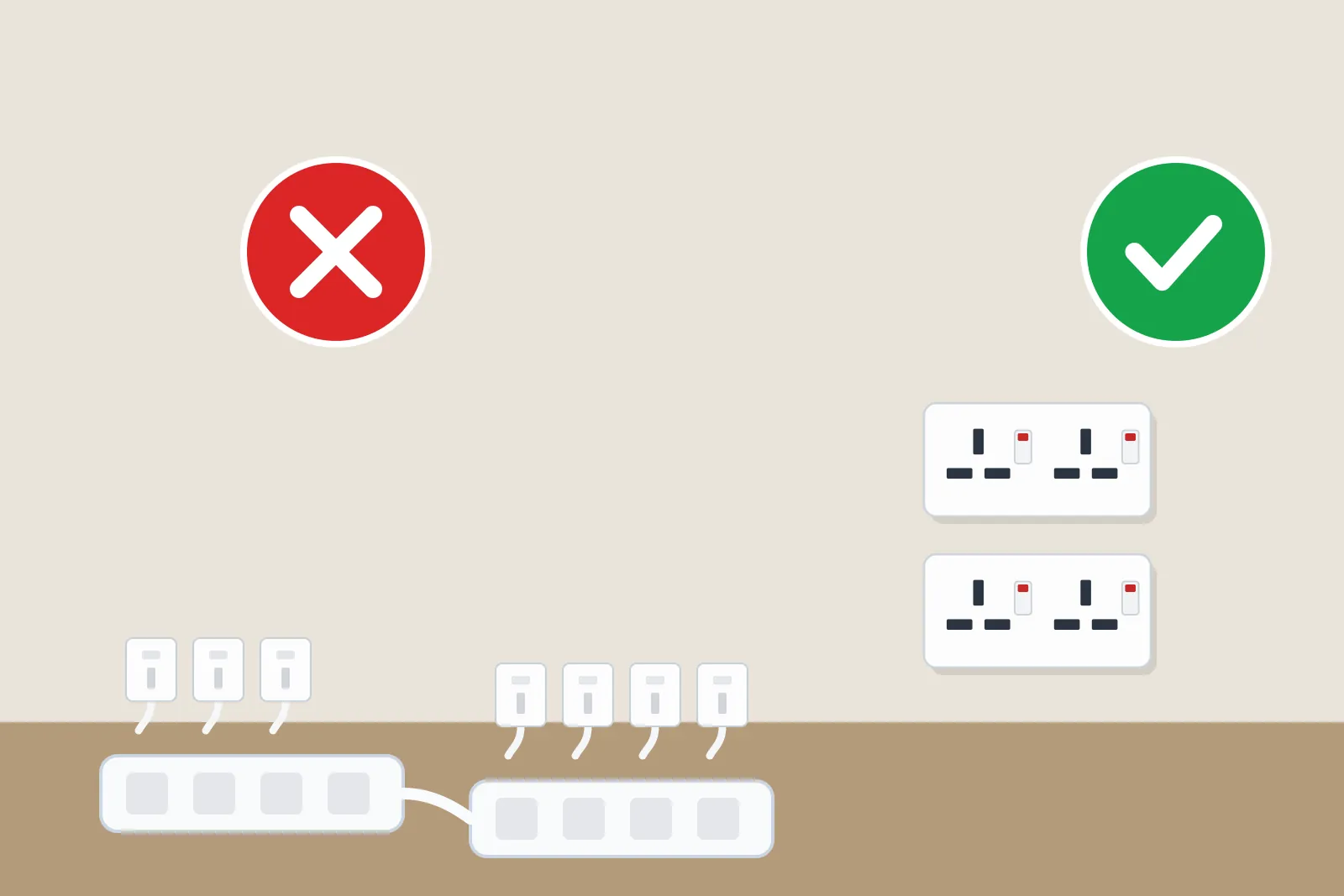
- Never use an extension lead or cable reel to charge a car
- Use a socket in good condition, ideally a dedicated outdoor socket
- Make sure the circuit has RCD protection
- Check the plug and socket for warmth during charging
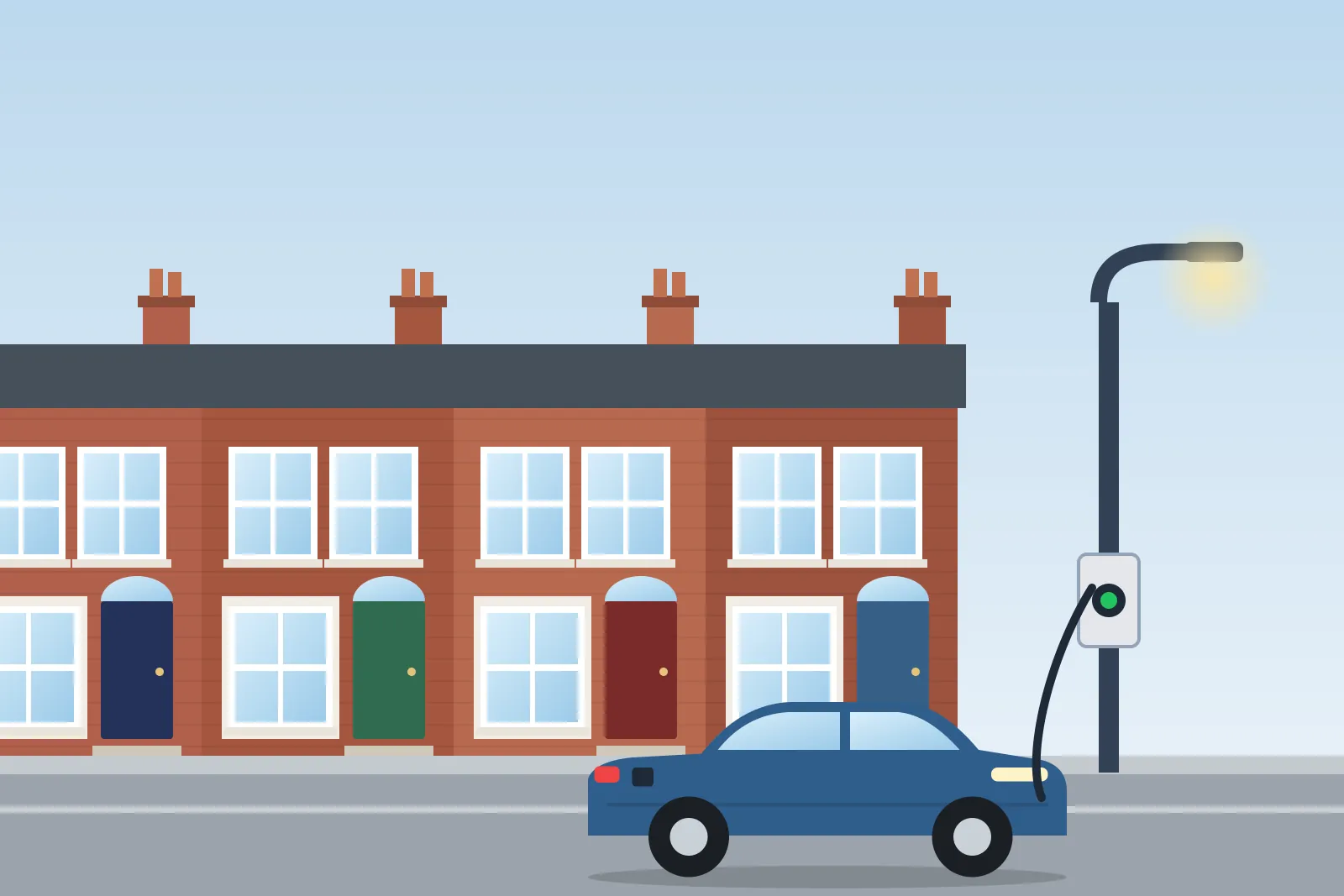
- Don't trail cables across pavements
Need an electrician?
Describe the job and compare free quotes from local electricians near you.
- Free to use
- No obligation
- Compare local electricians
- Quick online form
You'll continue to our quotes partner, MyJobQuote, to describe your electrical job.
When a home charger makes sense
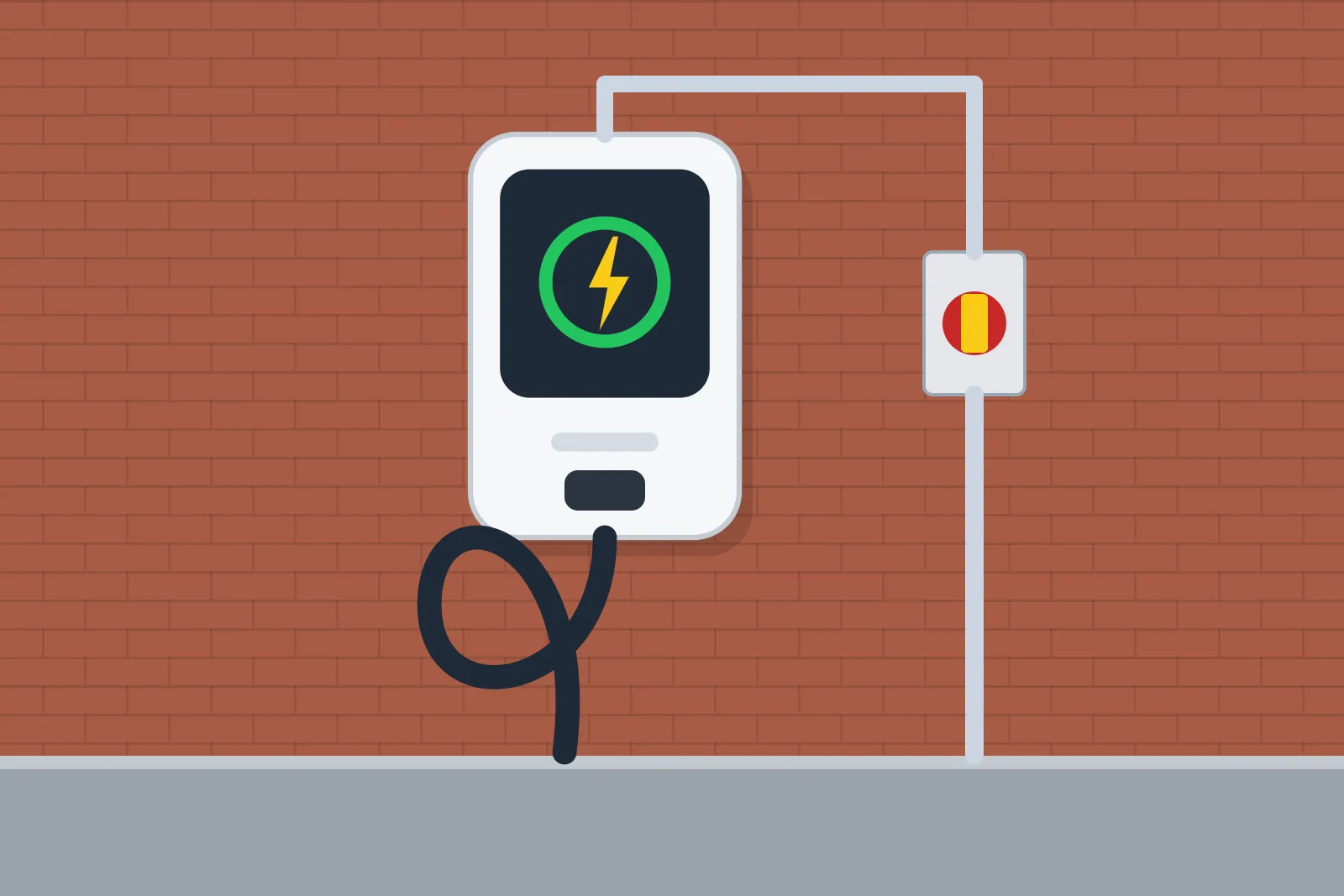
If you charge regularly at home, a dedicated charger is faster, safer and smarter – you can schedule charging for off-peak times. Most homes with off-street parking can have one fitted.