The 13 amp rule
A standard UK extension lead is rated for 13 amps in total – not 13 amps per socket. Plug a kettle into one socket and a toaster into another, and you can easily go over that, even though there are spare sockets on the lead.
Low-power things like phone chargers, lamps and TVs use very little. High-power appliances such as kettles, toasters, irons, air fryers and hair dryers use a lot. Mixing high-power items on one lead is where the trouble starts.
Things to avoid
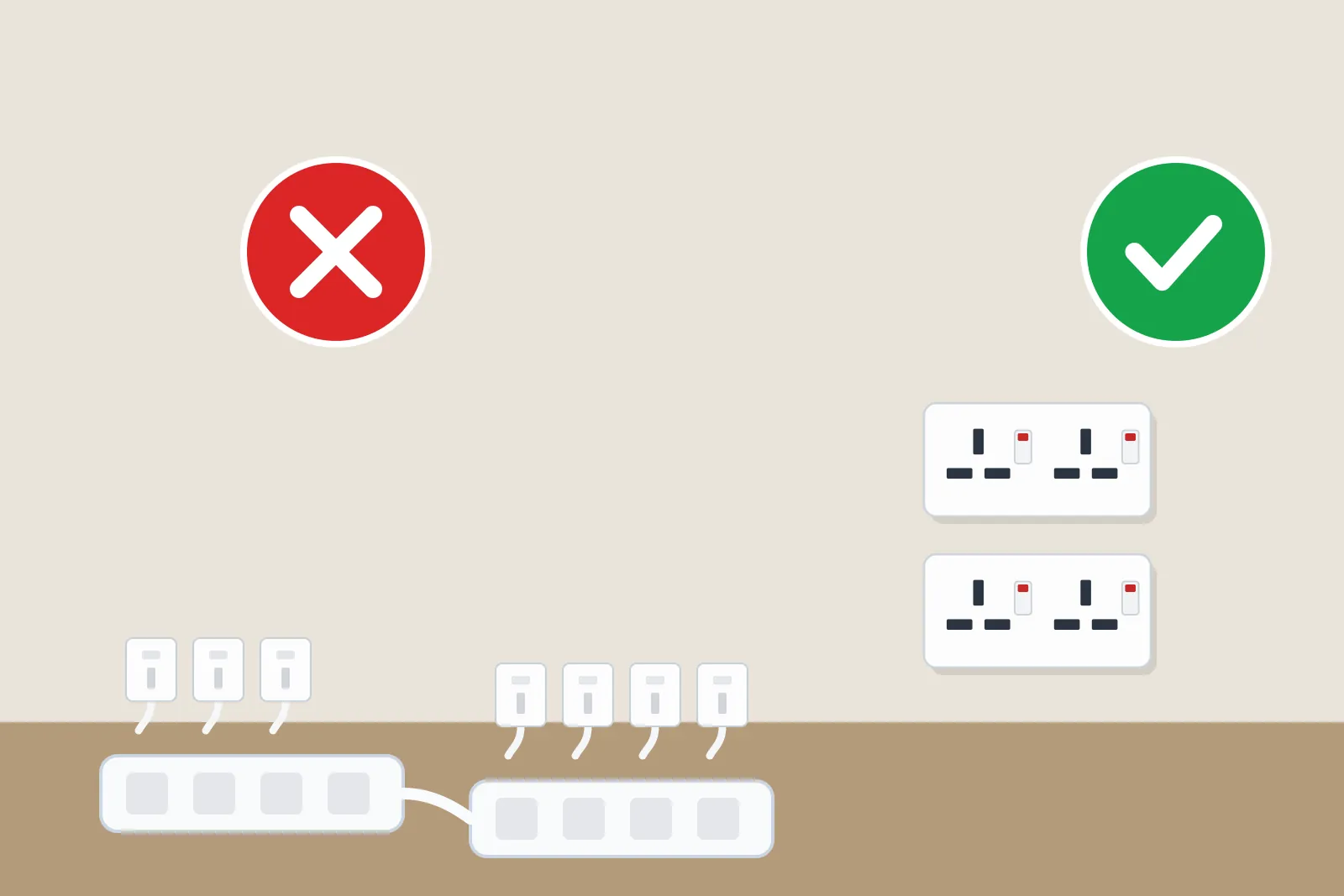
- Plugging one extension lead into another (daisy-chaining)
- Cube adaptors stacked on top of each other
- Running high-power appliances from extension leads for long periods
- Leaving cable reels wound up when using them for heavy loads – they can get hot
- Running leads under rugs or carpets, where damage goes unnoticed
- Using indoor leads outside
Need an electrician?
Describe the job and compare free quotes from local electricians near you.
- Free to use
- No obligation
- Compare local electricians
- Quick online form
You'll continue to our quotes partner, MyJobQuote, to describe your electrical job.
Signs of trouble
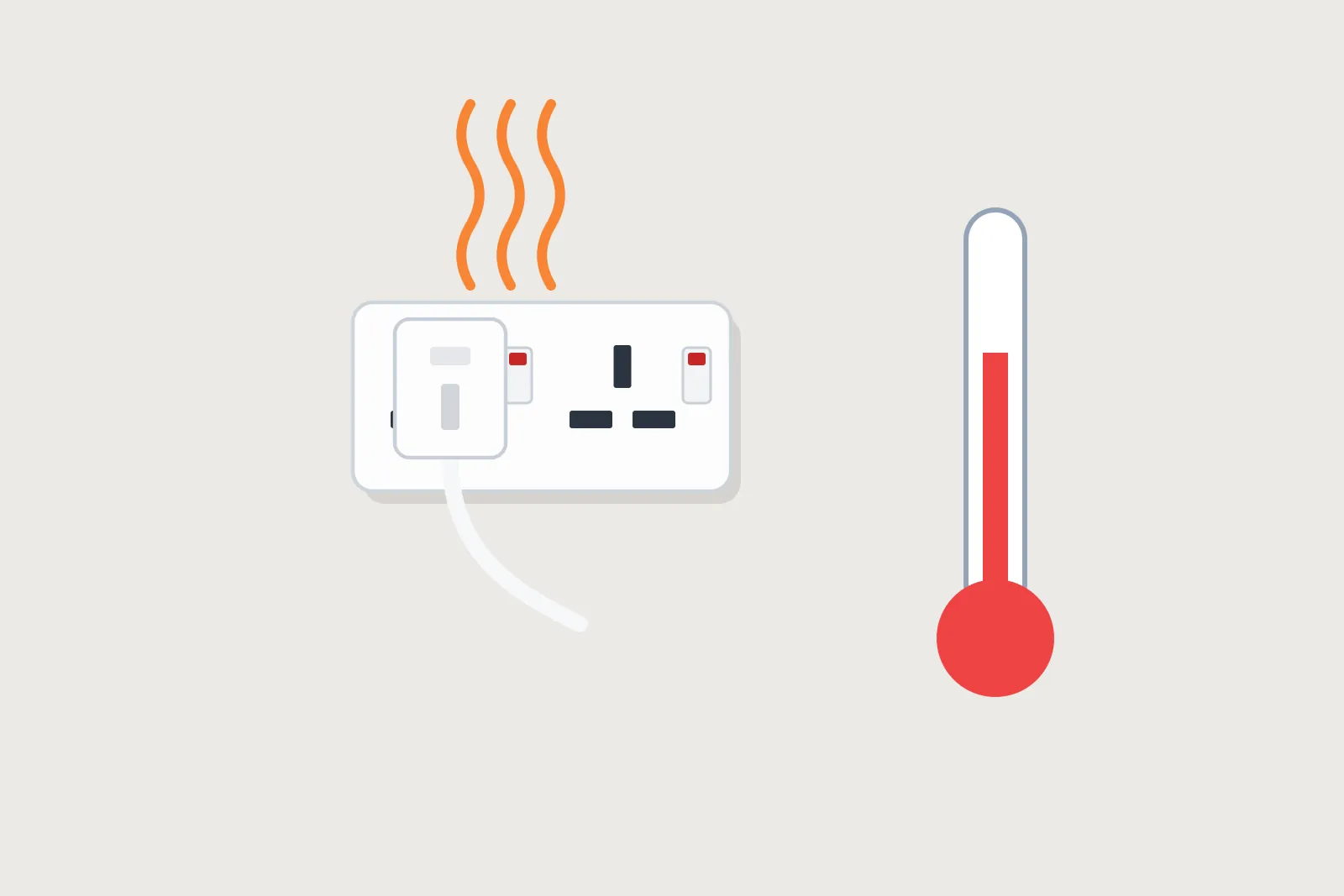
Warm or discoloured plugs, scorch marks, a burning smell, or a lead that flickers or crackles when moved are all reasons to stop using it straight away. Replace damaged leads rather than repairing them with tape.
The better answer: more sockets
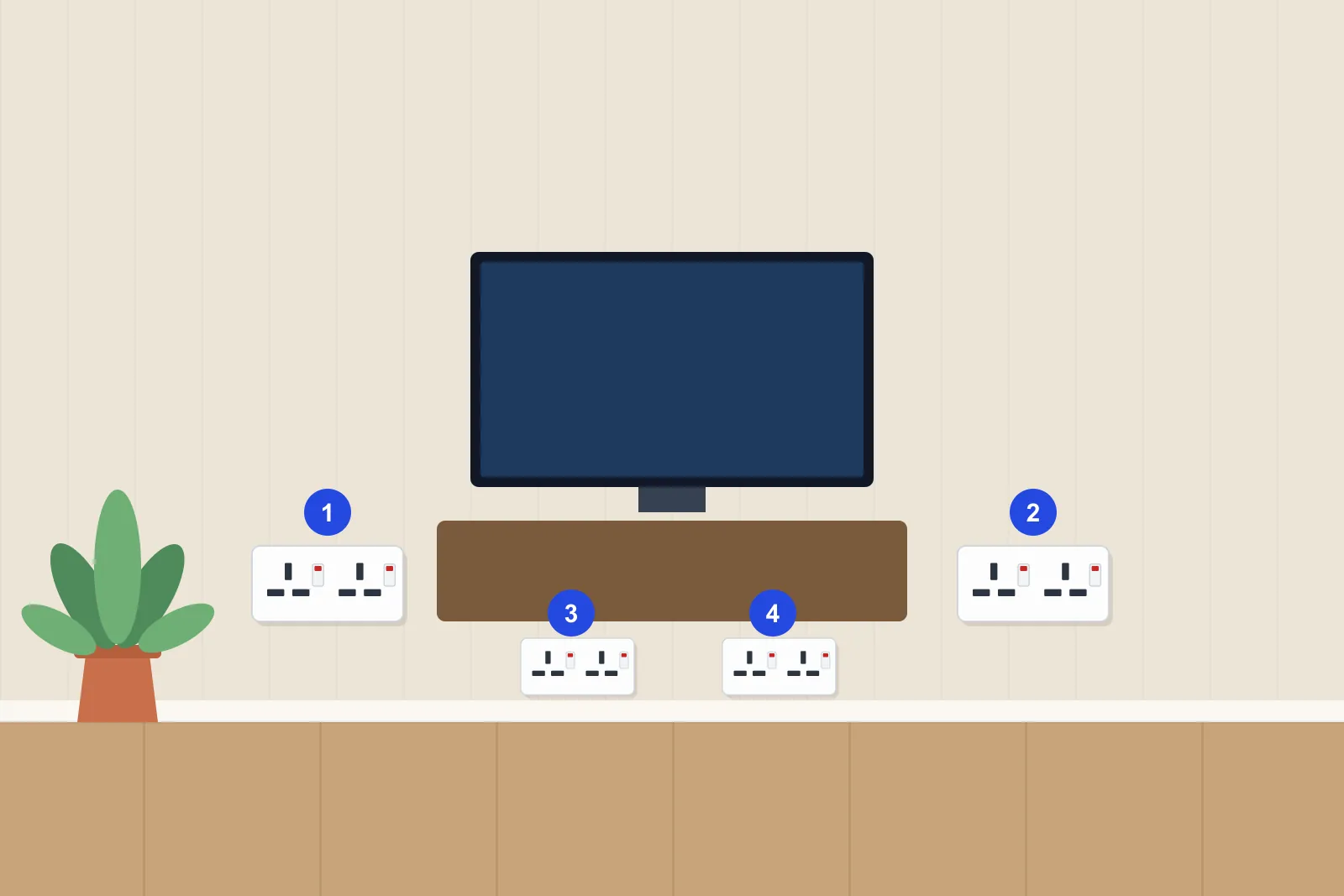
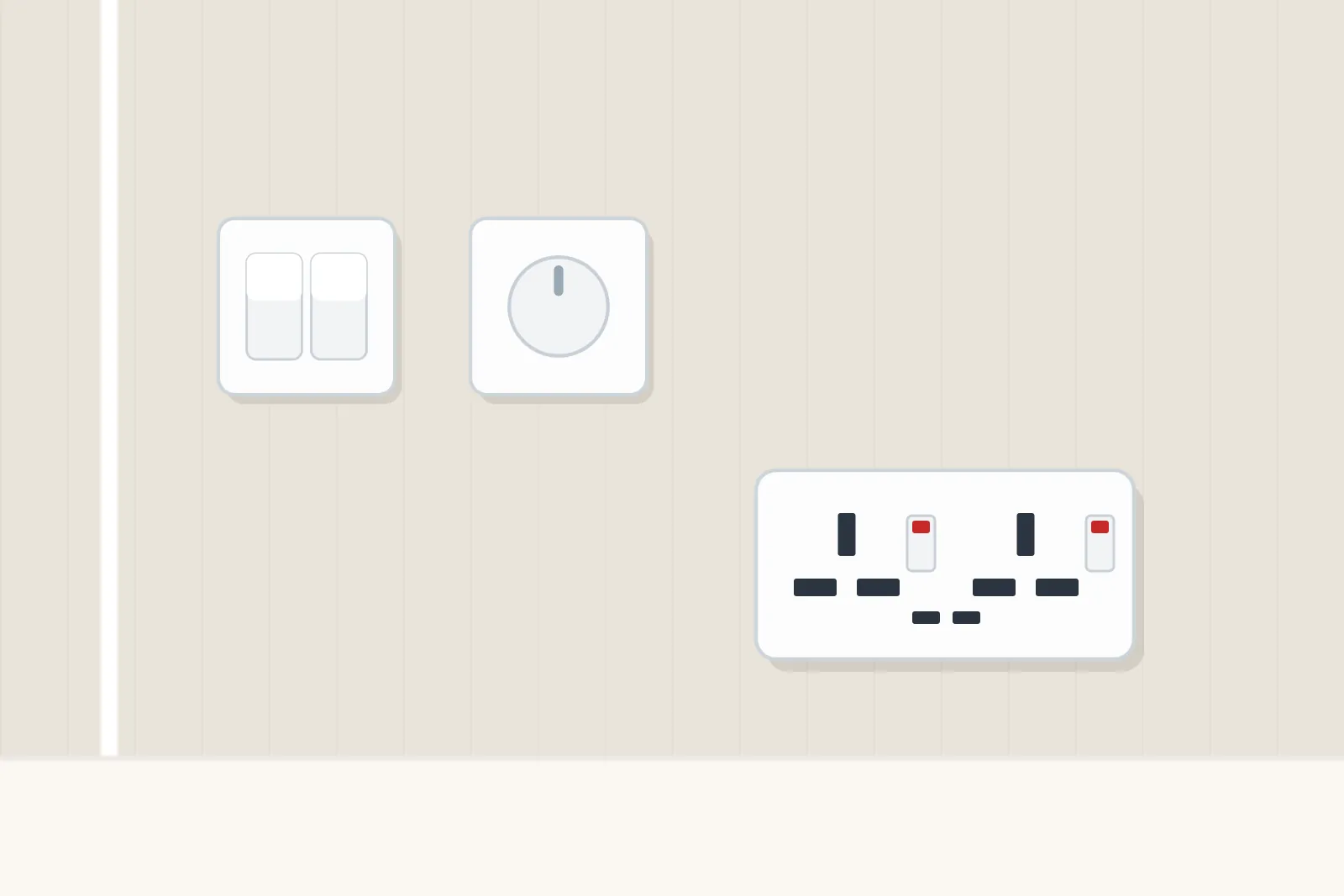
If extension leads have become permanent fixtures in your home, that's a sign you need more sockets. An electrician can add double or USB sockets where you actually use things – behind the TV, by the bed, at the desk – often in a single visit.