Types of alarm
Smoke alarms detect smoke and are fitted in hallways, landings and living areas. Heat alarms respond to a rapid rise in temperature and are used in kitchens, where smoke alarms would go off with every slice of burnt toast. Carbon monoxide alarms are needed near fuel-burning appliances.
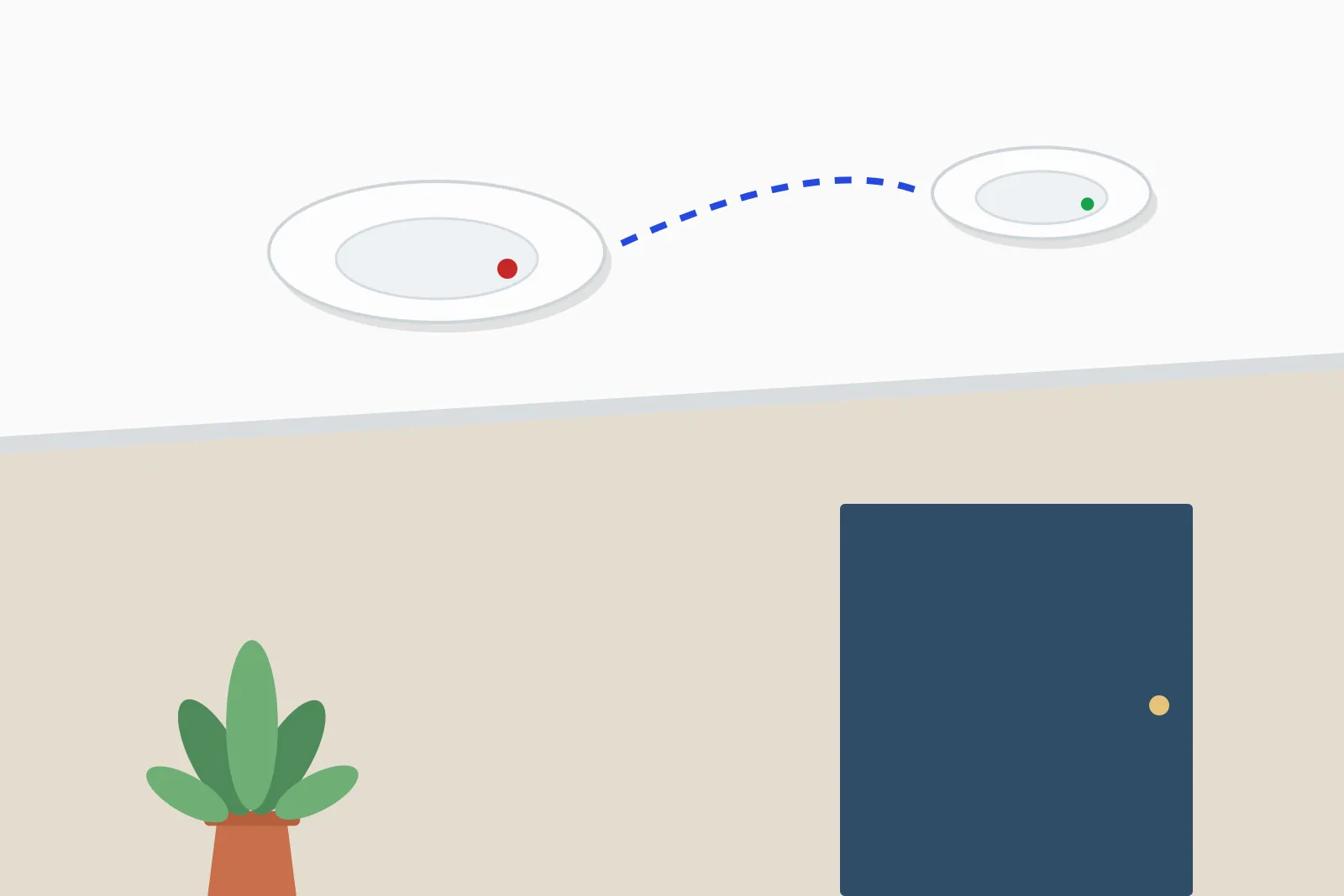
Interlinked alarms talk to each other, so when one goes off, they all do. They can be mains-wired, with battery backup, or use sealed long-life batteries and wireless links.
Rules in Scotland
Since February 2022, all homes in Scotland need a smoke alarm in the room used most during the day, a smoke alarm in every circulation space such as hallways and landings, and a heat alarm in the kitchen – all interlinked. A carbon monoxide detector is needed where there's a fuel-burning appliance.
Need an electrician?
Describe the job and compare free quotes from local electricians near you.
- Free to use
- No obligation
- Compare local electricians
- Quick online form
You'll continue to our quotes partner, MyJobQuote, to describe your electrical job.
Rules for landlords elsewhere
In England, private landlords must fit a smoke alarm on each storey used as living accommodation and a carbon monoxide alarm in rooms with a fixed combustion appliance. In Wales, landlords must ensure there are working mains-powered smoke alarms on each storey. Rules in Northern Ireland are set separately. Check the latest government guidance for your nation.
When to use an electrician
Mains-wired alarms should be installed by a qualified electrician, who can wire them to a suitable circuit and interlink them correctly. Many electricians fit alarms during a rewire or as part of landlord safety work.