Plan room by room
Walk through each room and think about where you use power: the TV, desk, bedside tables, kitchen worktop and garden. Mark where sockets would avoid extension leads. Doubles are almost always better than singles.
- Kitchens: sockets above worktops for every appliance, plus spares
- Living rooms: sockets near the TV and on several walls
- Bedrooms: double or USB sockets both sides of the bed
- Home offices: plenty of sockets at desk height
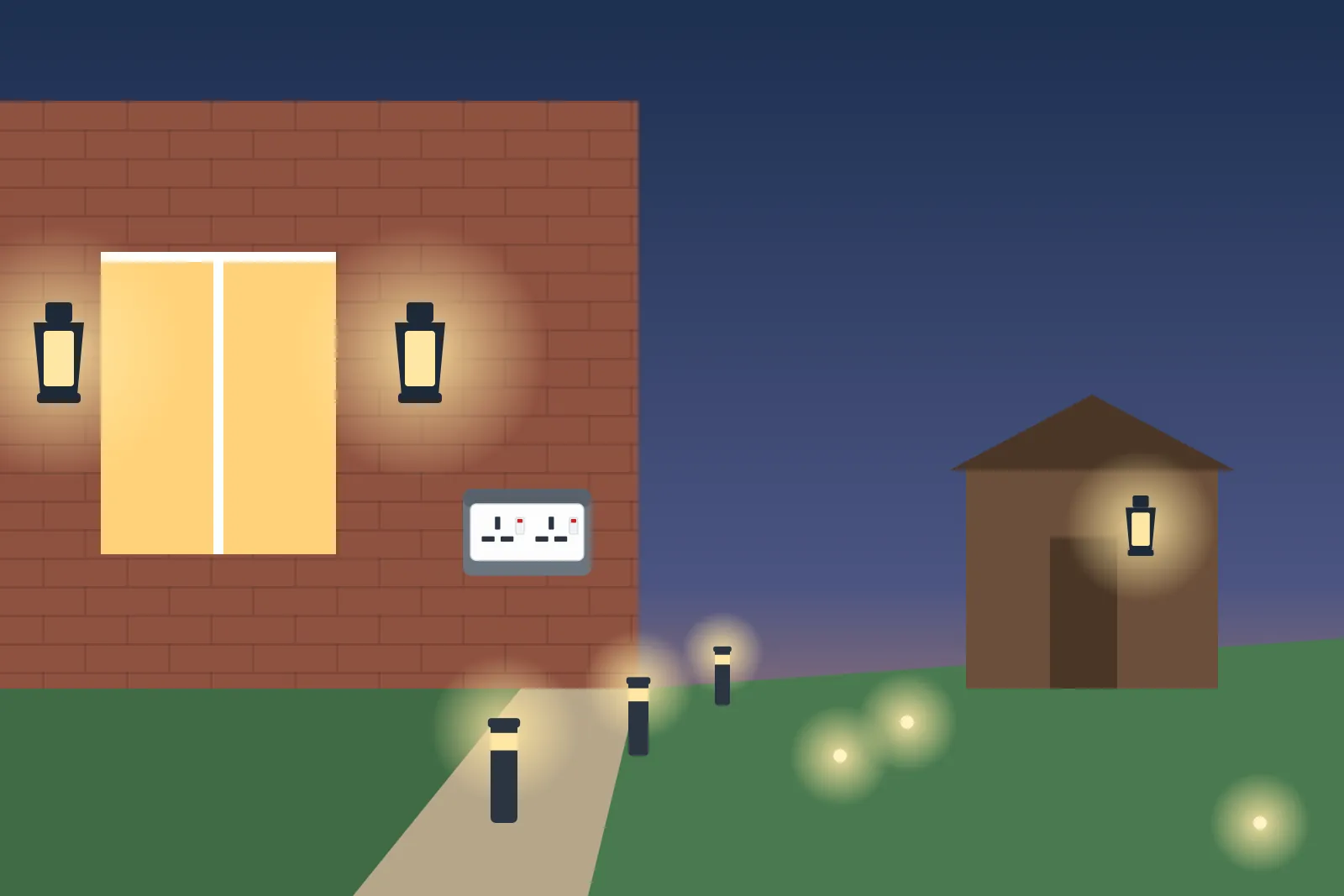
- Outside: a weatherproof socket for the garden
Switches and controls
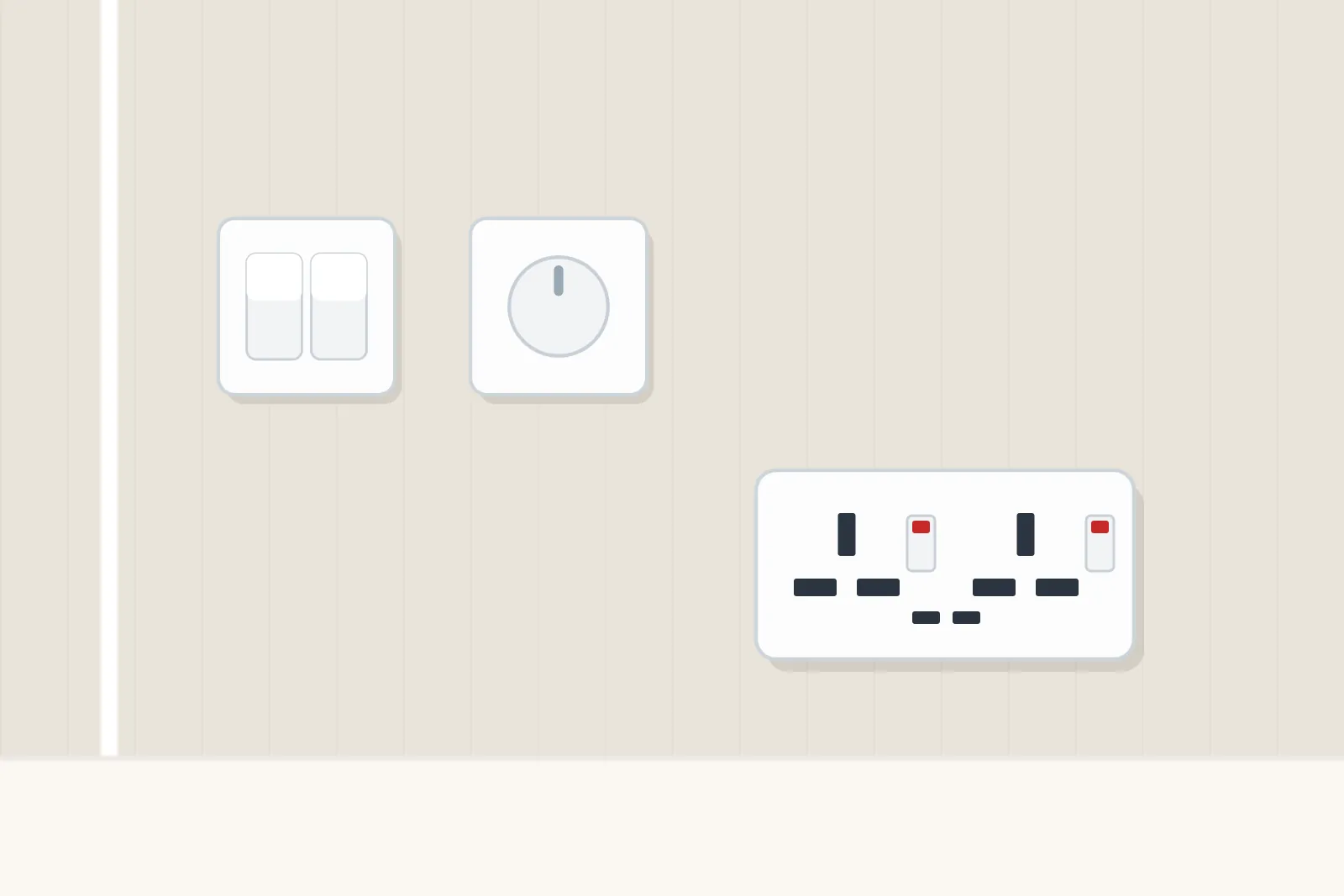
Two-way switching at the top and bottom of the stairs, dimmers in living rooms and smart switches are popular upgrades. Dimmers must be compatible with LED bulbs, and some smart switches need a neutral wire at the switch.
Need an electrician?
Describe the job and compare free quotes from local electricians near you.
- Free to use
- No obligation
- Compare local electricians
- Quick online form
You'll continue to our quotes partner, MyJobQuote, to describe your electrical job.
What the electrician will check
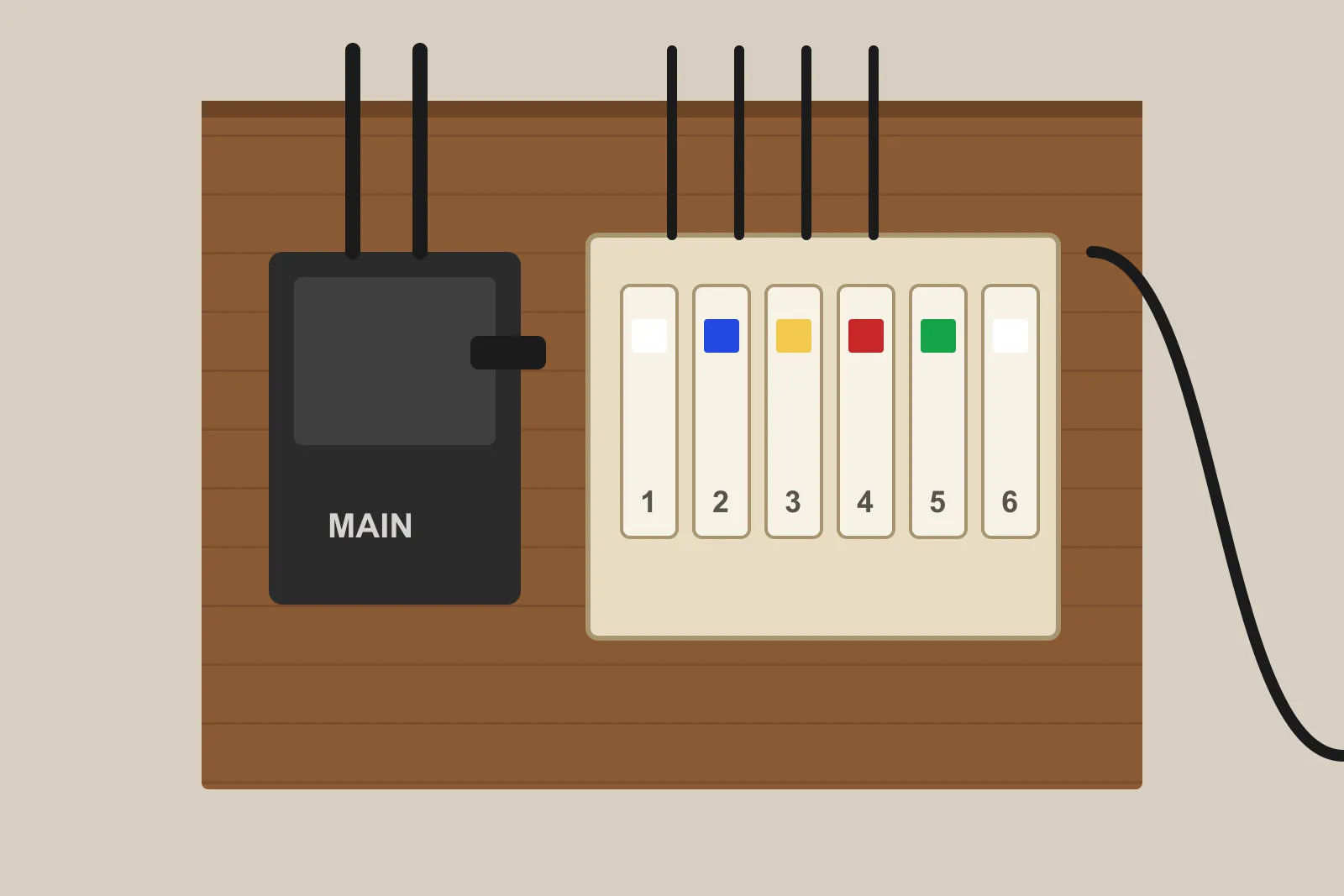
Before adding sockets, the electrician checks the existing circuit's condition and capacity. If it's suitable, sockets can be added to it; if not, a new circuit may be needed. Older installations may need remedial work first.