Same job, different generation
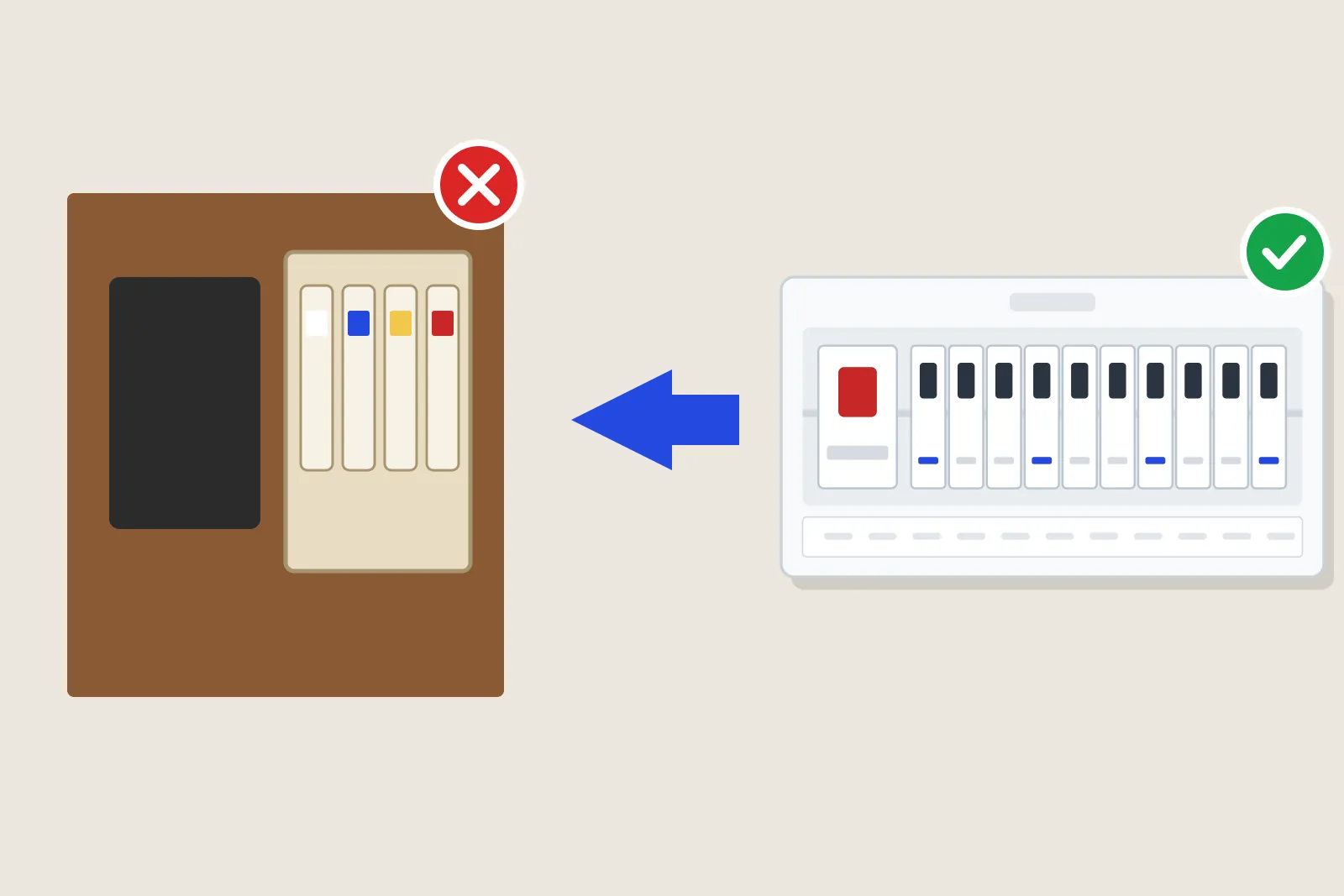
Both do the same basic job: take the electricity coming into your home and split it into separate circuits for lights, sockets, the cooker and so on, each with its own protection. 'Consumer unit' is simply the modern name, and 'fuse box' has stuck around in everyday speech.
The real difference is in the protection inside.
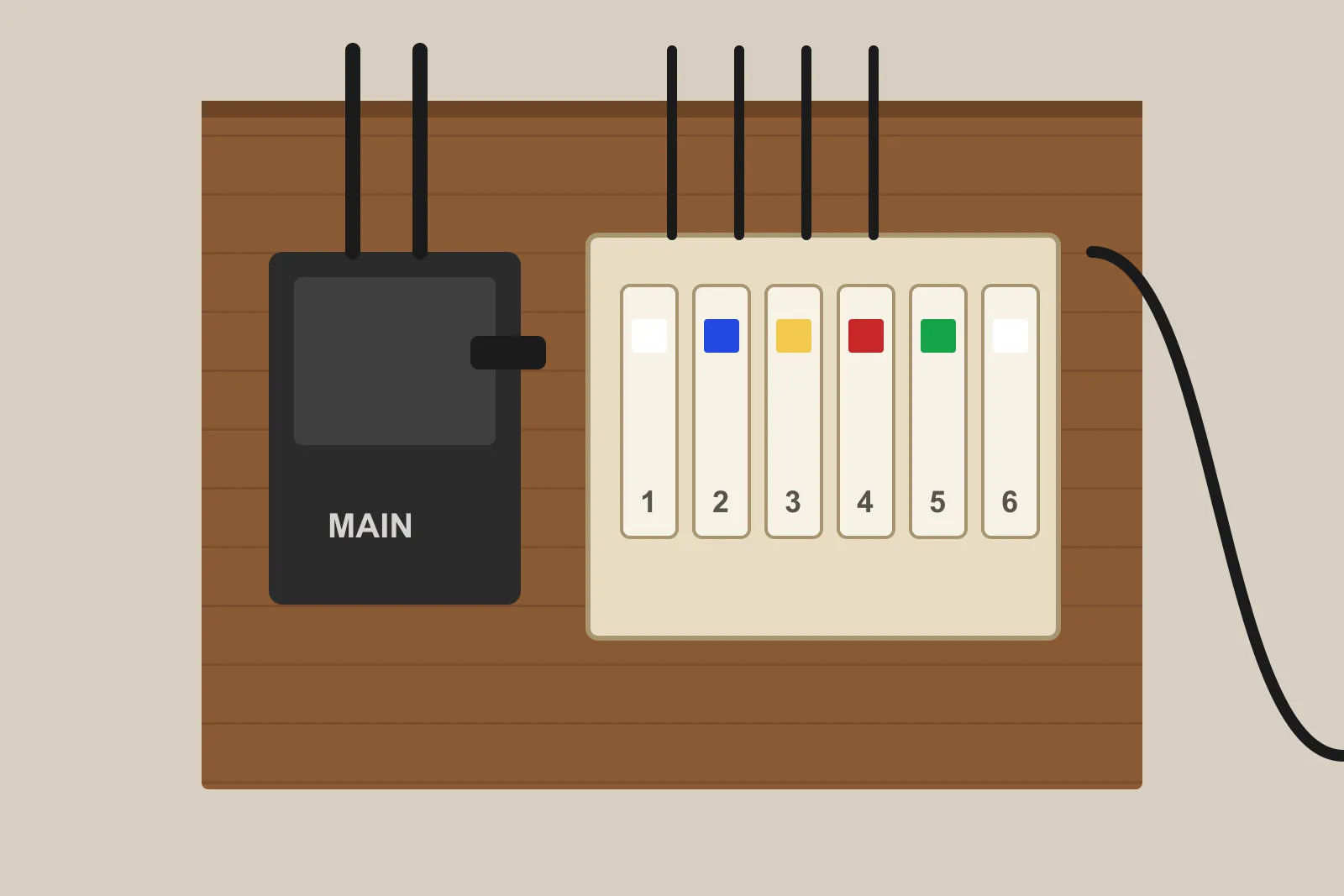
What an old fuse box looks like
- Pull-out fuse carriers, often white or coloured, with fuse wire or cartridge fuses inside
- A wooden backboard behind the equipment
- A separate main switch, sometimes in a black or brown metal box
- No RCD and no 'Test' button anywhere
- Handwritten labels – or none at all
Need an electrician?
Describe the job and compare free quotes from local electricians near you.
- Free to use
- No obligation
- Compare local electricians
- Quick online form
You'll continue to our quotes partner, MyJobQuote, to describe your electrical job.
What a modern consumer unit looks like
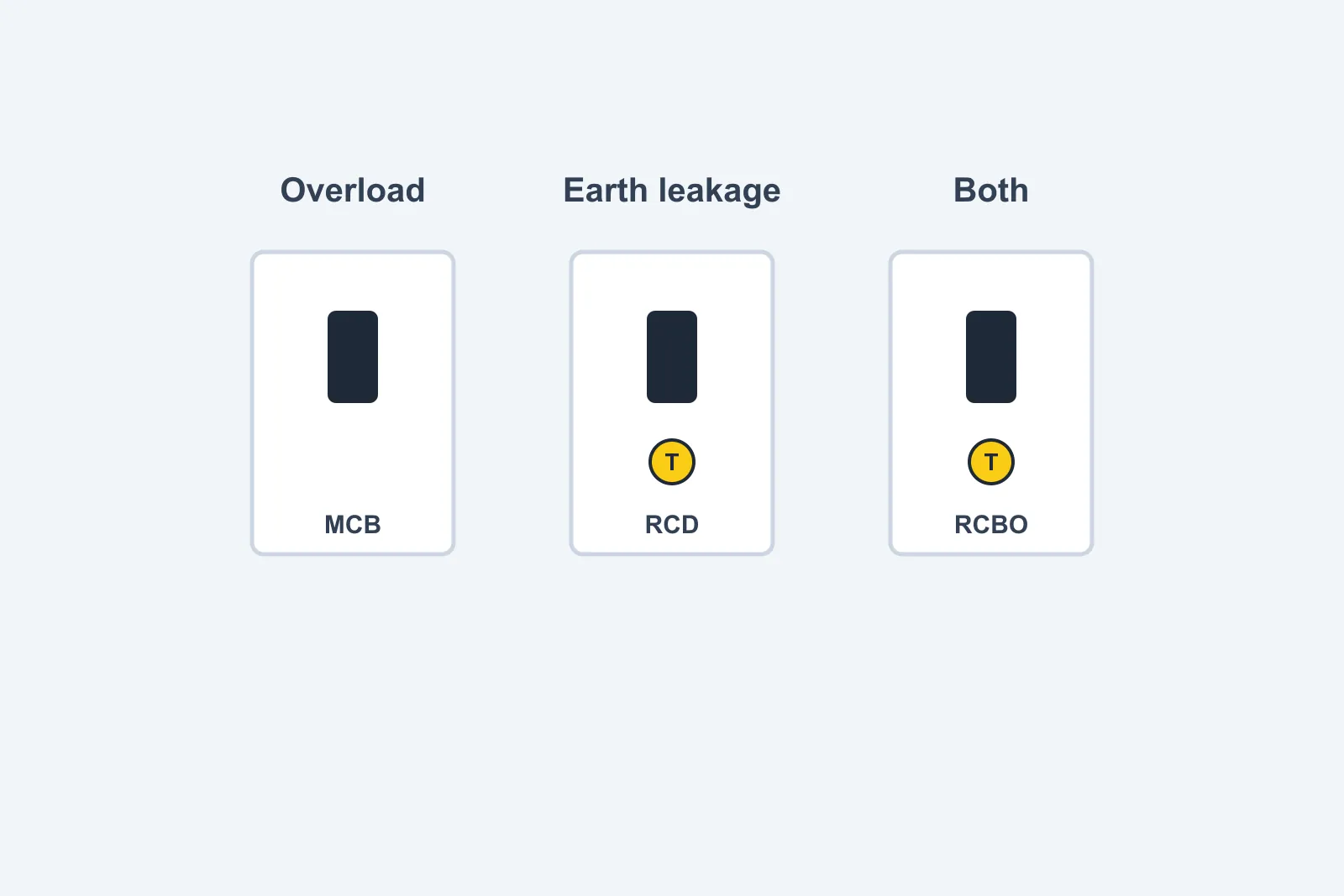
A modern consumer unit has a row of switches (circuit breakers) that you can simply flip back on after a trip, at least one RCD with a test button, or RCBOs on each circuit. It's usually in a metal enclosure, as regulations now require for homes, and may include surge protection.
Should you replace an old fuse box?
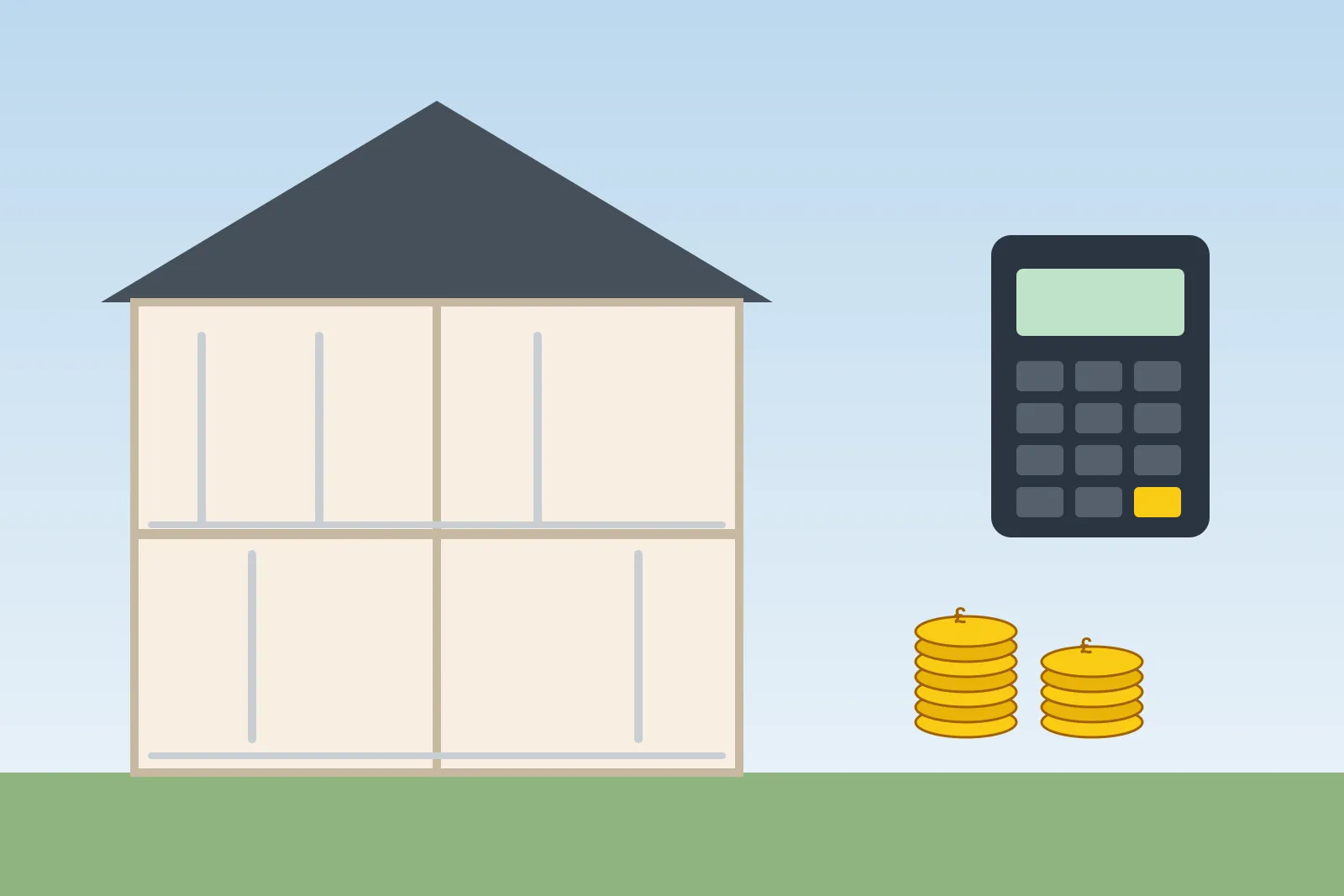
There's no law forcing homeowners to replace a working fuse box, but it offers much less protection, particularly against electric shock. Most electricians recommend upgrading – and it often becomes necessary when you add new circuits for an extension, kitchen or EV charger.
Before fitting a new board, an electrician tests the existing wiring, because faults that an old fuse box ignored may cause trips on a modern one. That testing is a good thing: it finds hidden problems.