What PAT testing covers
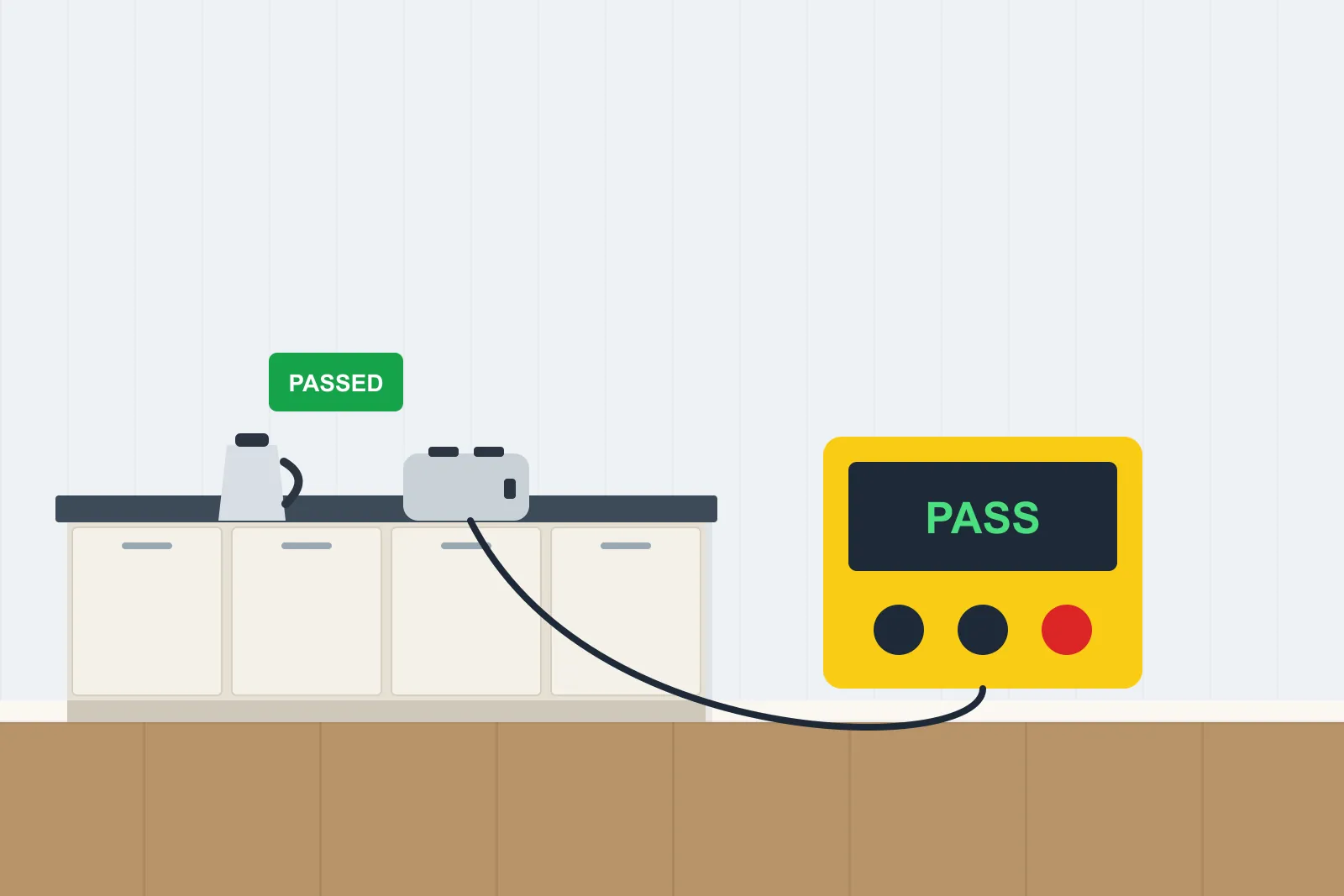
PAT testing applies to electrical equipment that plugs into a socket – kettles, toasters, washing machines, lamps, extension leads, power tools and IT equipment. It involves a visual inspection of the plug, cable and casing, and for many items an electrical test with a PAT tester to check earth continuity, insulation resistance and polarity.
Each item is labelled with a pass or fail sticker and the date, and the results are recorded. Failed items should be taken out of use.
Is PAT testing a legal requirement?
There isn't a law that says 'you must PAT test'. But there are legal duties to keep electrical equipment safe. Employers have duties under the Electricity at Work Regulations. Landlords must ensure appliances they provide are safe. In Scotland, private landlords are specifically required to carry out PAT testing on appliances they supply as part of regular electrical safety inspections. HMO licensing conditions in England and Wales often require it too.
In practice, PAT testing is the standard way to show you've met those duties. See landlord electrical safety rules.
How often?
The right interval depends on how the equipment is used and the risk. Frequent visual checks by users are as important as formal testing.
| Setting | Typical interval |
|---|---|
| Offices and shops (IT and light equipment) | Every 2–4 years, with regular visual checks |
| Rented homes (landlord appliances) | At each tenancy change or every 1–2 years |
| HMOs and holiday lets | Annually is common |
| Construction sites (110V tools) | Every 3 months |
| Commercial kitchens | Annually or more often |
Typical PAT testing intervals (guidance, not fixed rules)
Need an electrician?
Describe the job and compare free quotes from local electricians near you.
- Free to use
- No obligation
- Compare local electricians
- Quick online form
You'll continue to our quotes partner, MyJobQuote, to describe your electrical job.
What PAT testing doesn't cover
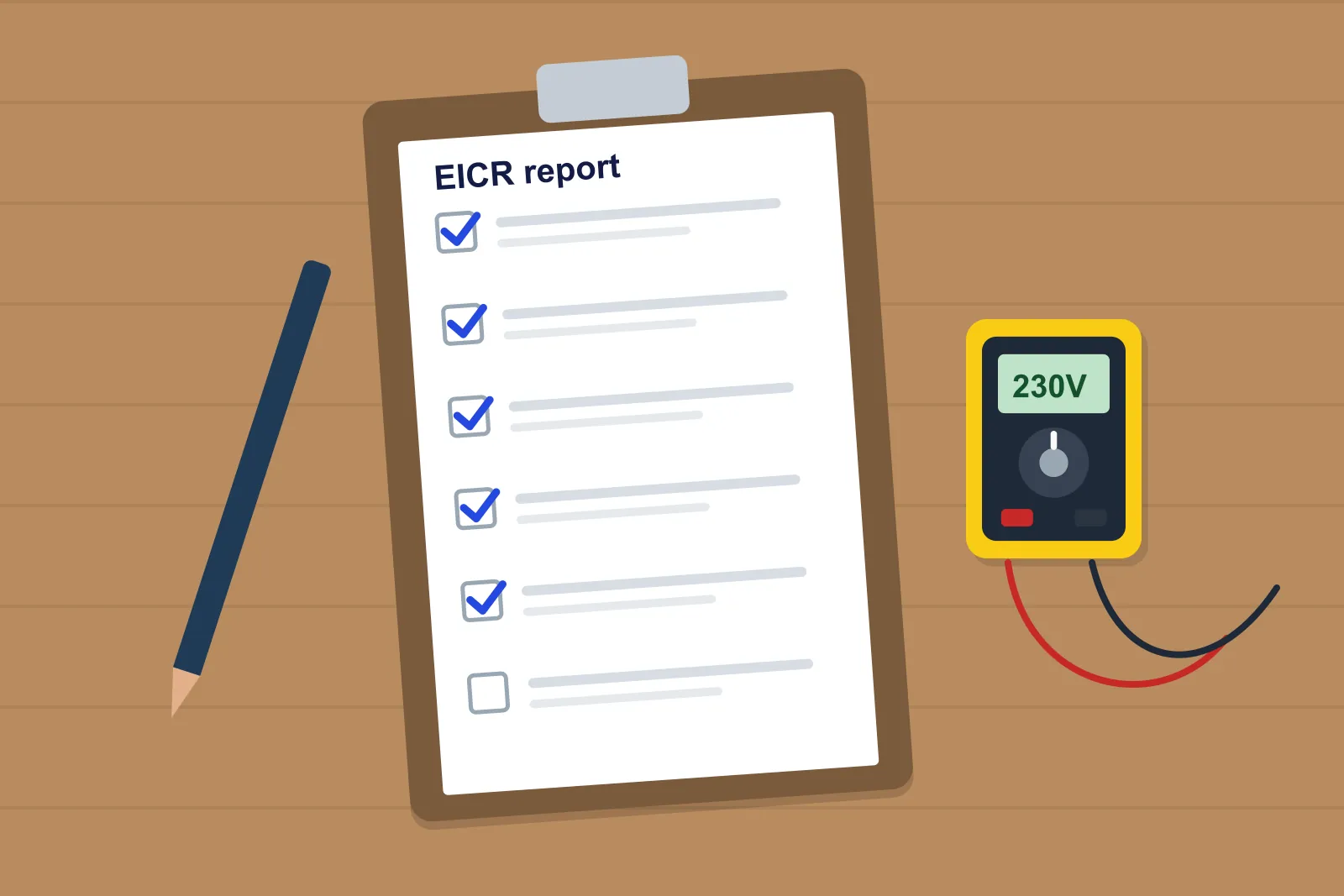
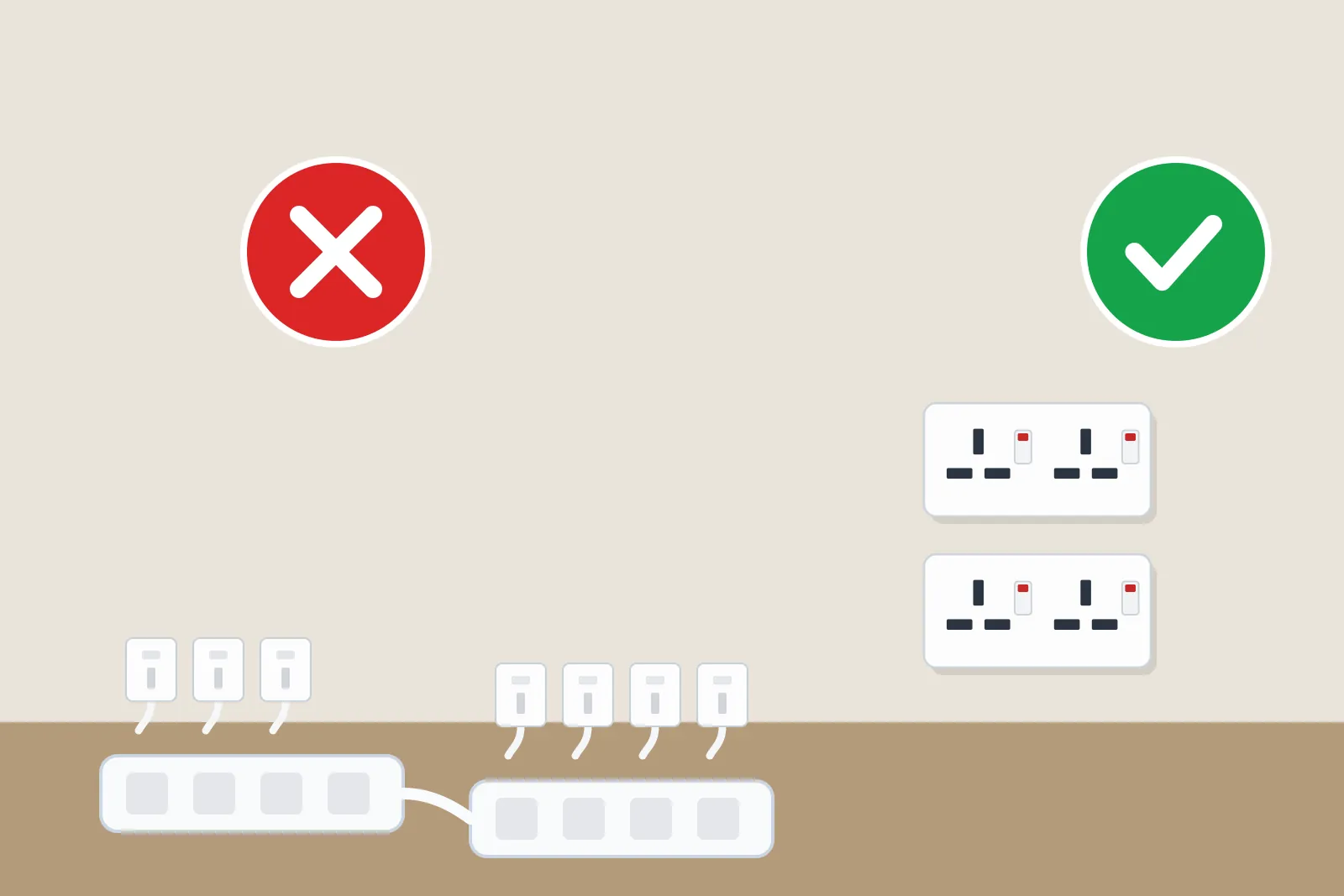
PAT testing doesn't check the fixed wiring in the building – sockets, circuits and the consumer unit. That's covered by an Electrical Installation Condition Report (EICR). Landlords in England need an EICR at least every five years. See EICR explained. For extension leads and adaptors, see extension lead safety.
Typical costs
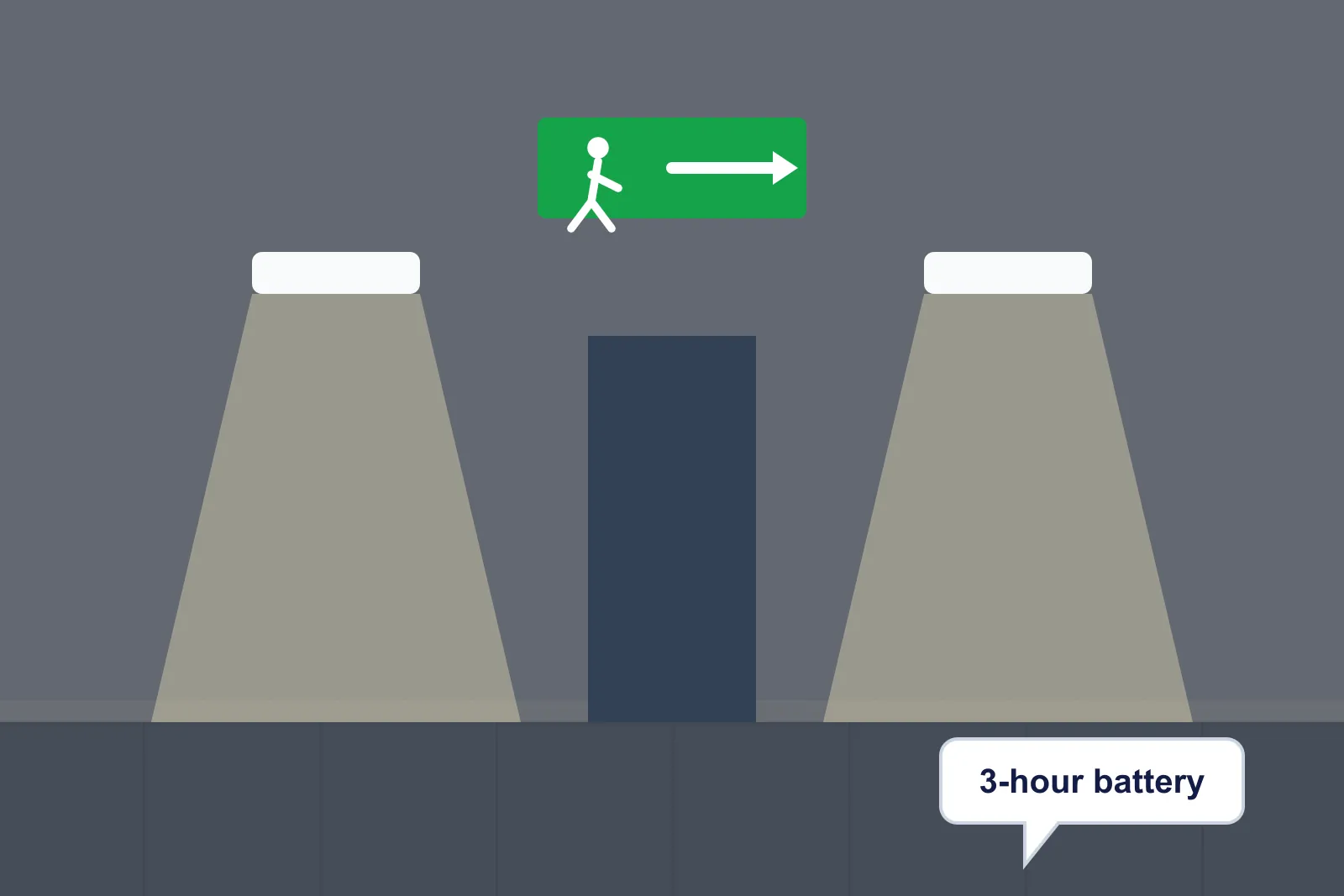
Many electricians offer PAT testing alongside EICRs and emergency lighting tests. See also emergency lighting explained.
| Job | Typical cost |
|---|---|
| Per item (larger jobs) | £1 – £3 |
| Minimum charge / small rental property | £50 – £100 |
| HMO with 30–50 items | £80 – £180 |
| Small office (50–100 items) | £100 – £250 |
| PAT testing combined with an EICR | Often discounted |
Indicative PAT testing prices (2026)