Why ventilation matters
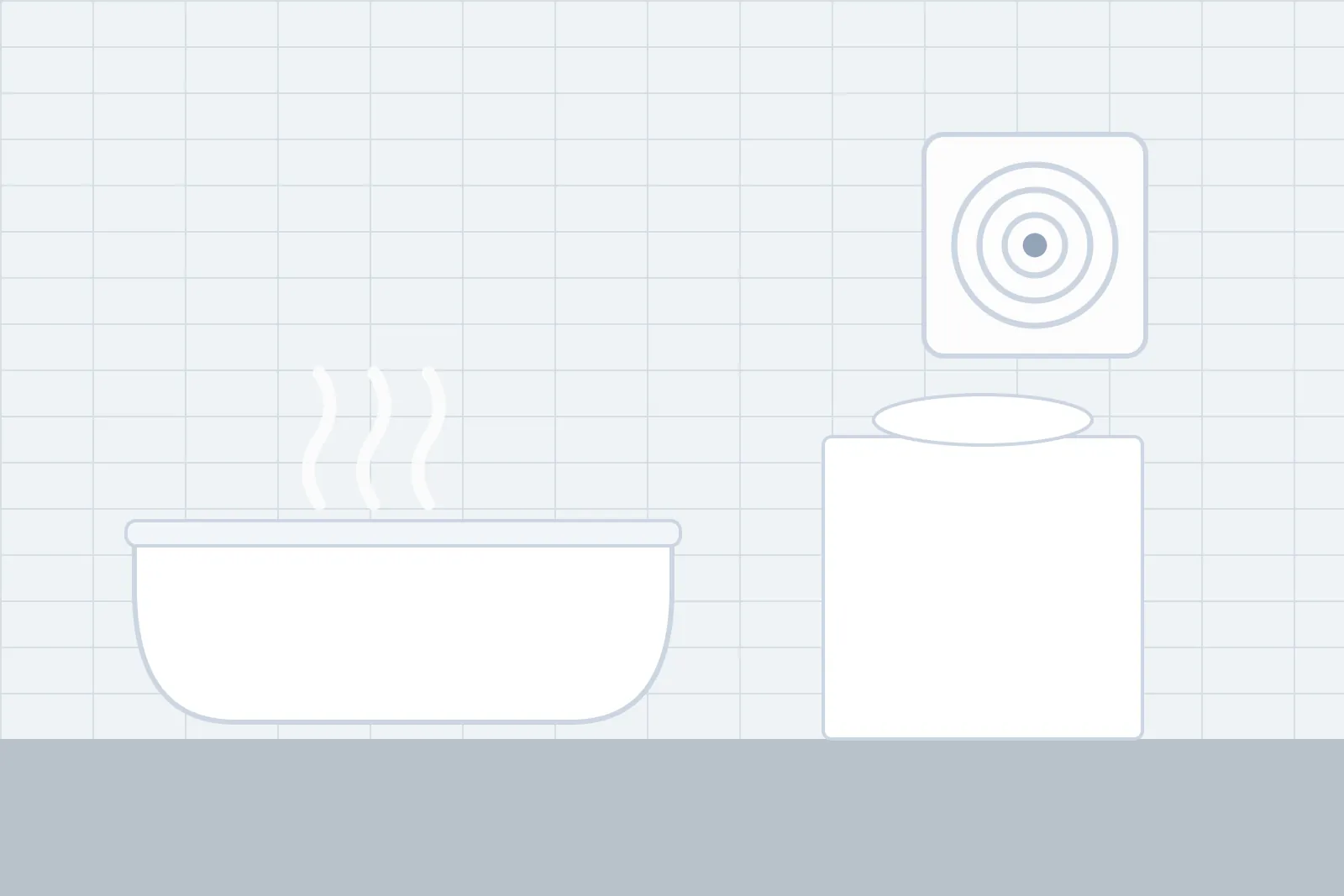
Showers and baths release a lot of moisture. Without a way out, it condenses on cold surfaces, encouraging mould and damaging finishes. Building regulations set ventilation requirements for new and refitted bathrooms, and an extractor fan is the usual way to meet them.
Features worth having
- Overrun timer – keeps running for a few minutes after the light goes off
- Humidity sensor – switches on automatically when it gets steamy
- Quiet operation – look for low noise ratings
- Backdraught shutter – stops cold air blowing in
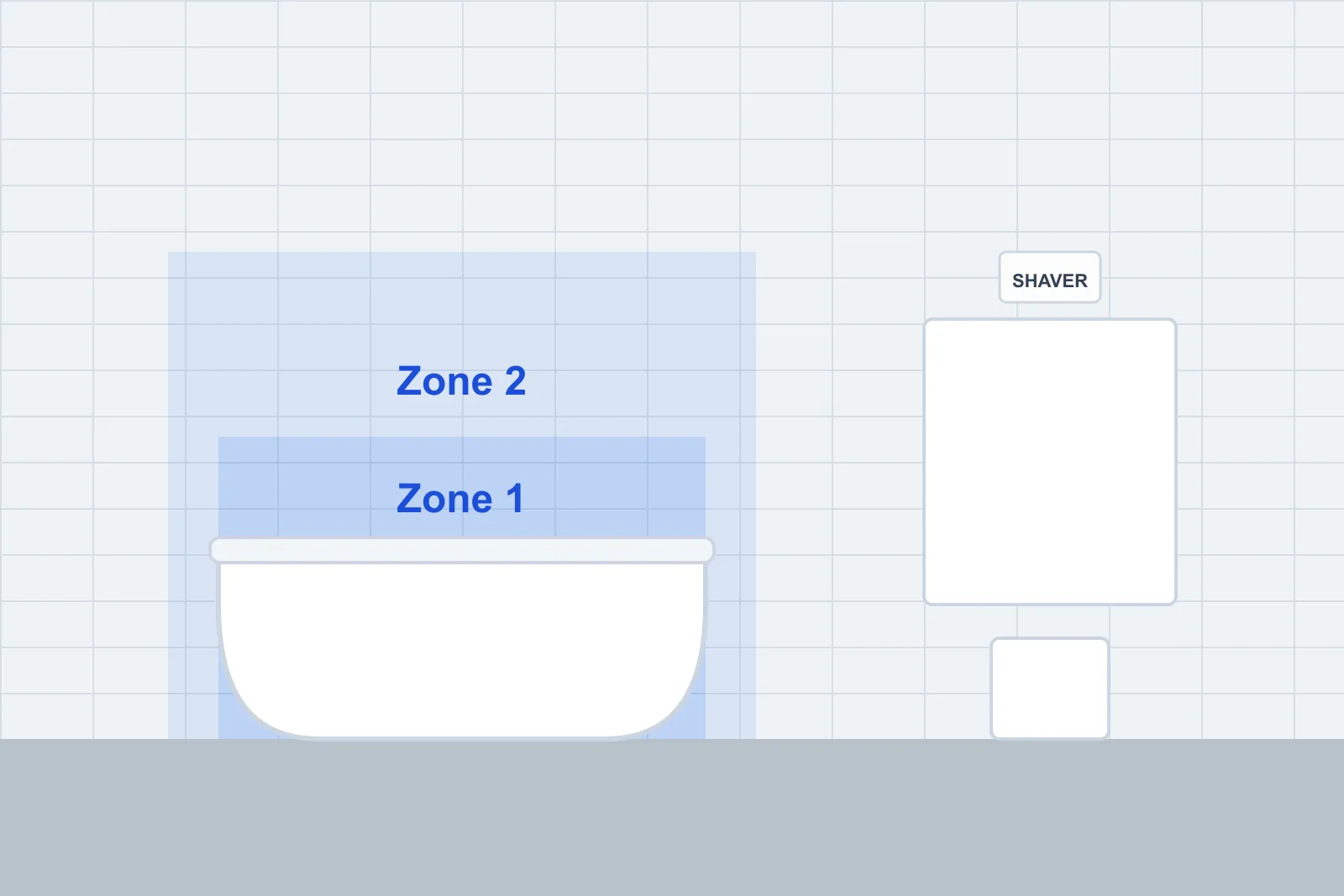
- Low-voltage models for positions inside the zones
Need an electrician?
Describe the job and compare free quotes from local electricians near you.
- Free to use
- No obligation
- Compare local electricians
- Quick online form
You'll continue to our quotes partner, MyJobQuote, to describe your electrical job.
Positioning and installation
Fans work best high up and opposite the door, so air is drawn across the room. They need ducting to the outside and wiring with an isolator so they can be serviced safely. If the fan is in a zone, it must be suitable for that location.