Electric showers are big loads
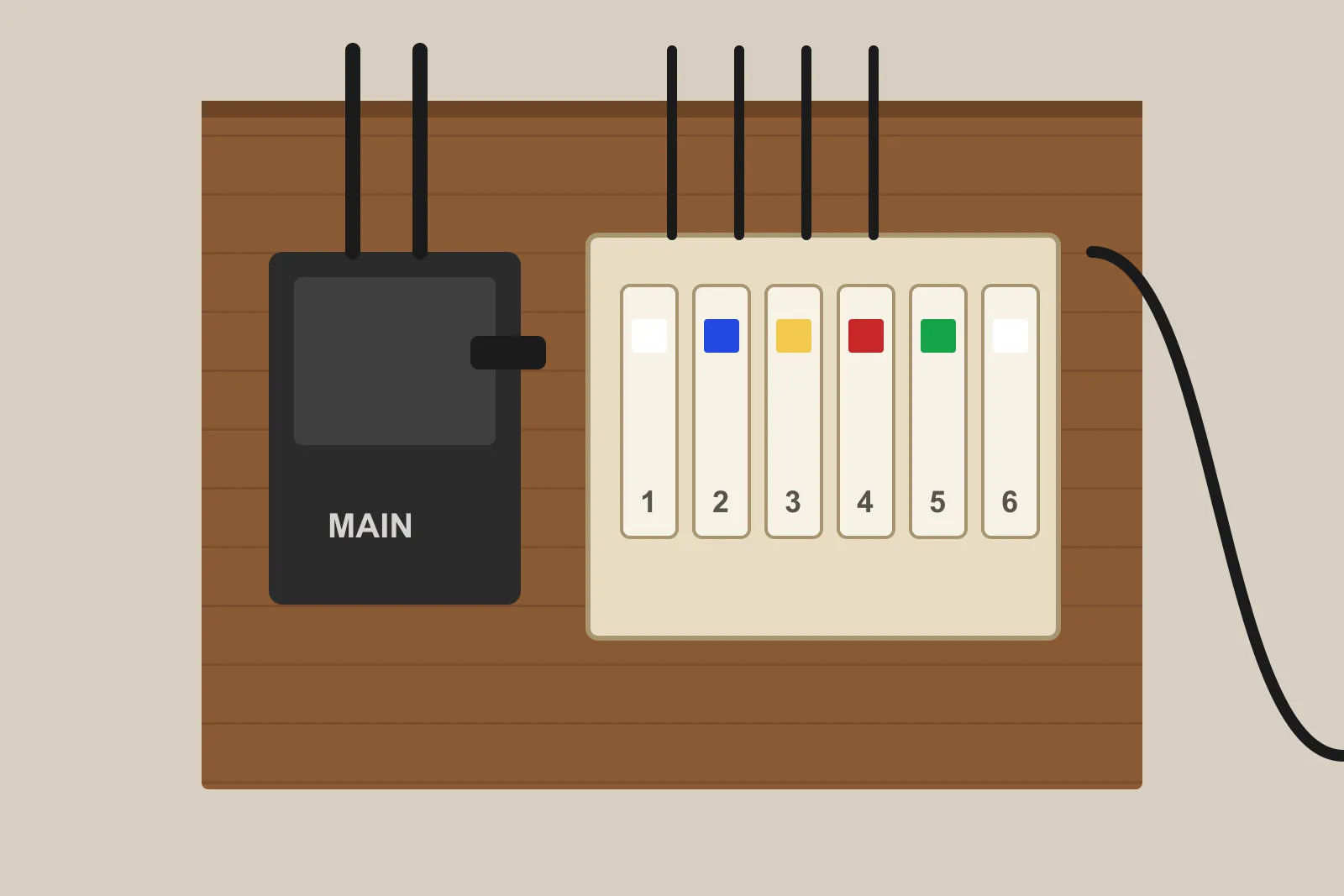
Electric showers draw a lot of power – often 8.5kW to 10.5kW or more – so they need their own dedicated circuit with a suitably sized cable and protection. They're among the largest single loads in most homes.
Upgrading to a bigger shower
Swapping, say, an 8.5kW shower for a 10.5kW one isn't always like for like. The existing cable and protection may not be rated for the higher load, and the consumer unit or even the supply may need checking. An electrician should confirm before you buy.
Need an electrician?
Describe the job and compare free quotes from local electricians near you.
- Free to use
- No obligation
- Compare local electricians
- Quick online form
You'll continue to our quotes partner, MyJobQuote, to describe your electrical job.
Switching and safety
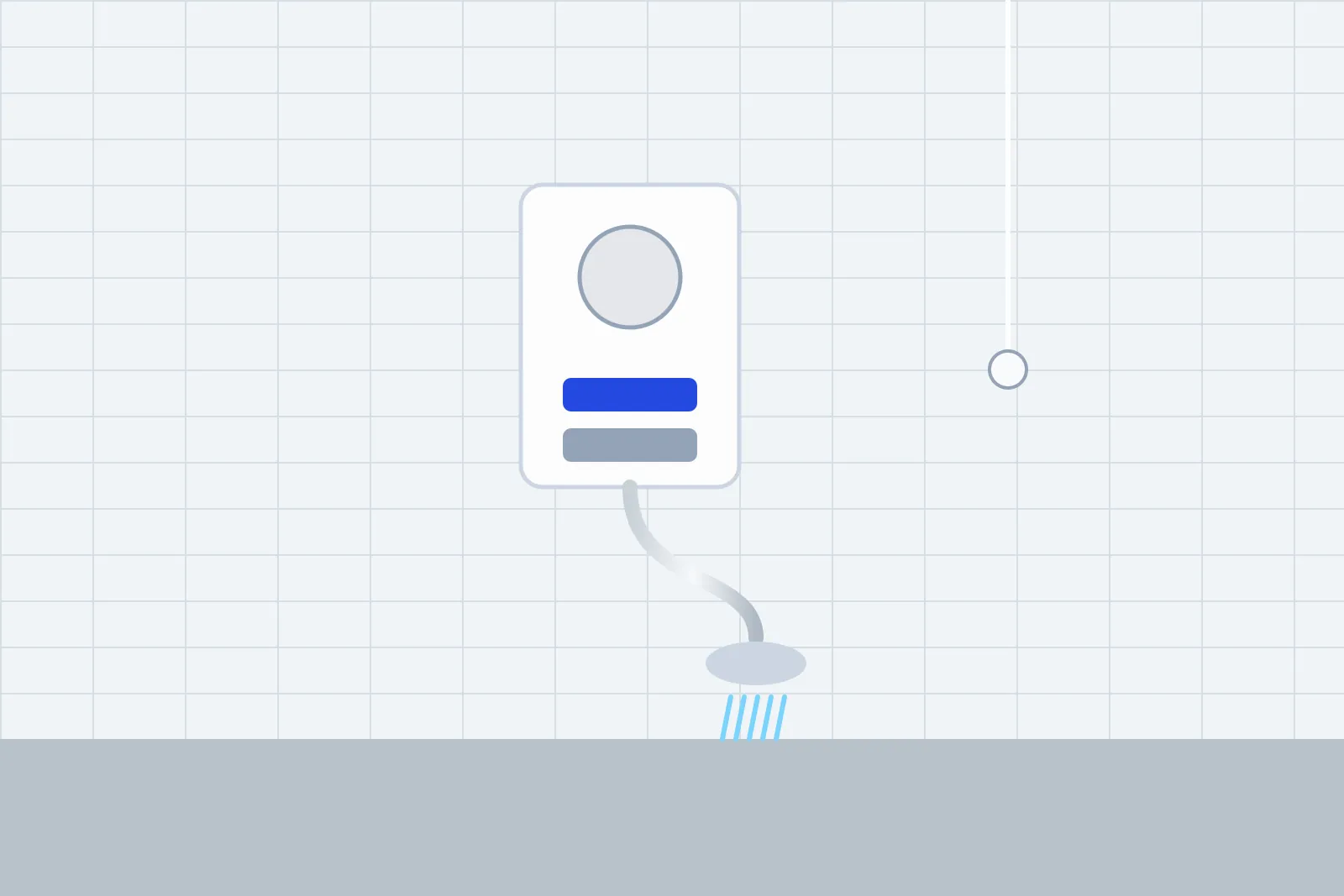
Electric showers have a double-pole isolator – usually a ceiling pull cord in the bathroom or a switch outside it – so the shower can be fully switched off. The circuit needs RCD protection, and the work is notifiable in England and Wales.