Right now: the safe steps
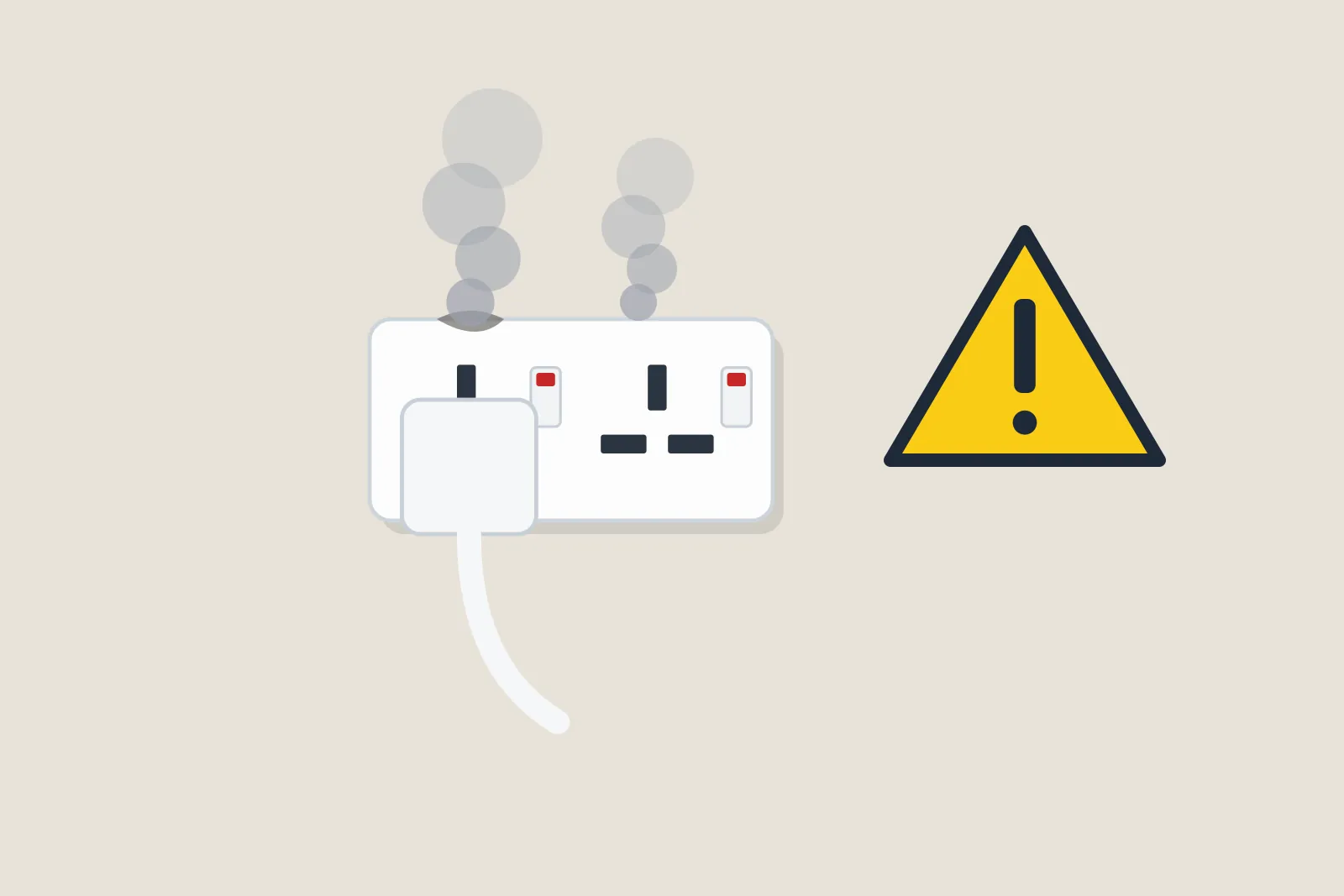
If there's smoke or flames, get everyone out and call 999. Don't try to deal with an electrical fire with water.
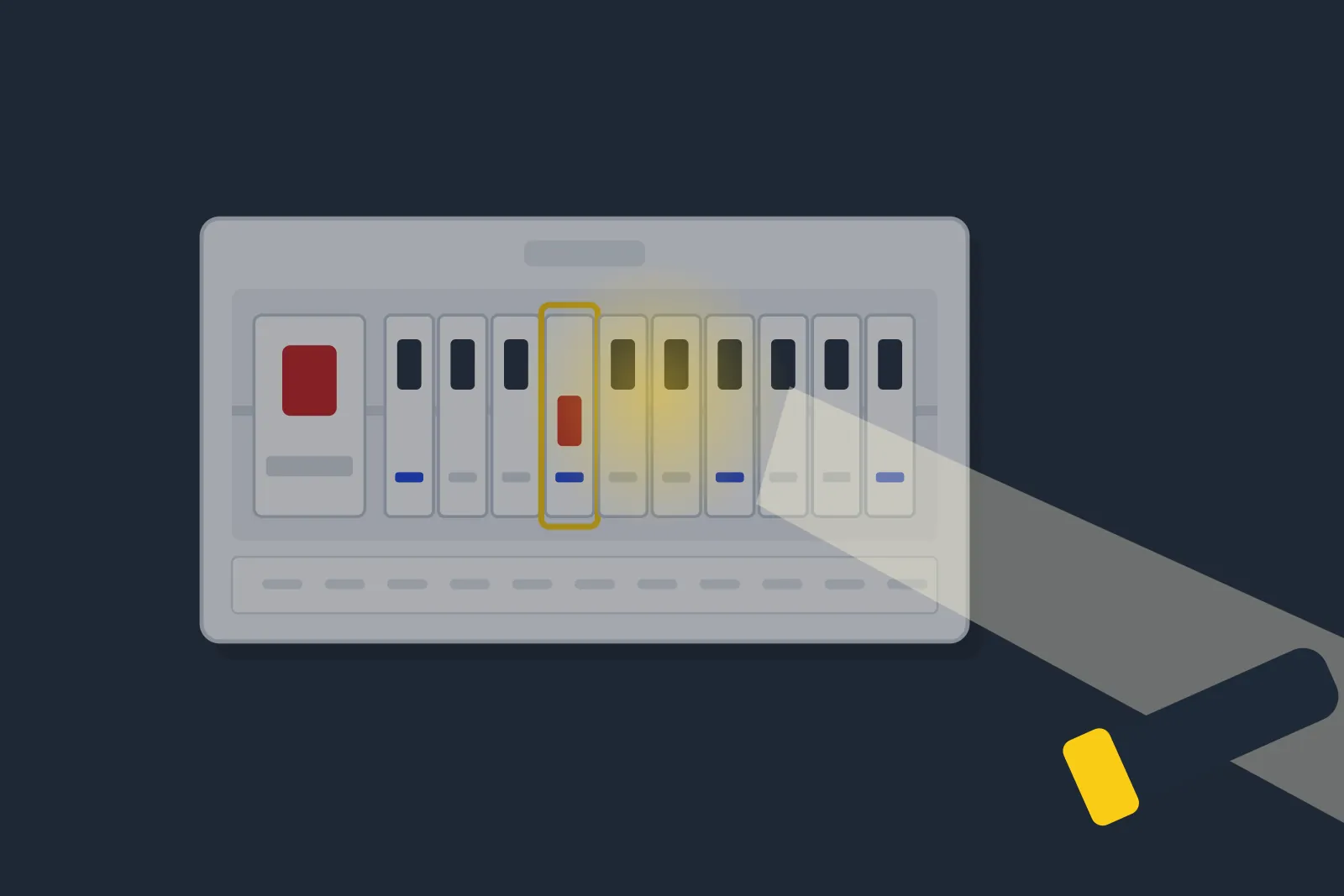
If it's just a smell, switch the socket off and unplug whatever is plugged in – only if you can do it without touching anything scorched or hot. Then switch off that circuit at the consumer unit if it's safe to reach. Don't use the socket again until it's been checked.
What usually causes it
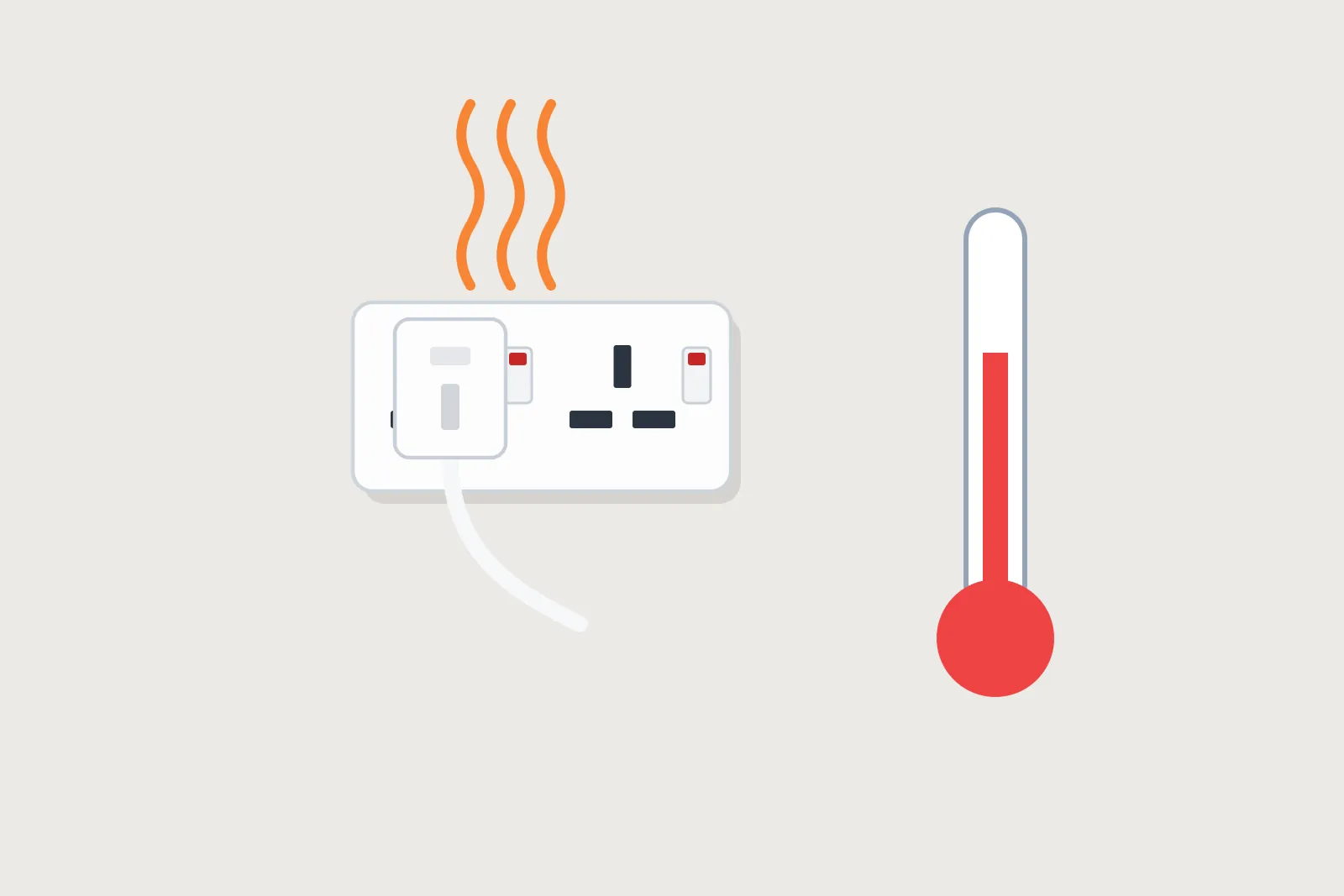
Electrical burning smells are often described as 'fishy', which surprises people. It comes from plastic and insulation getting hotter than it should. Common causes include:
- A loose connection inside the socket or plug
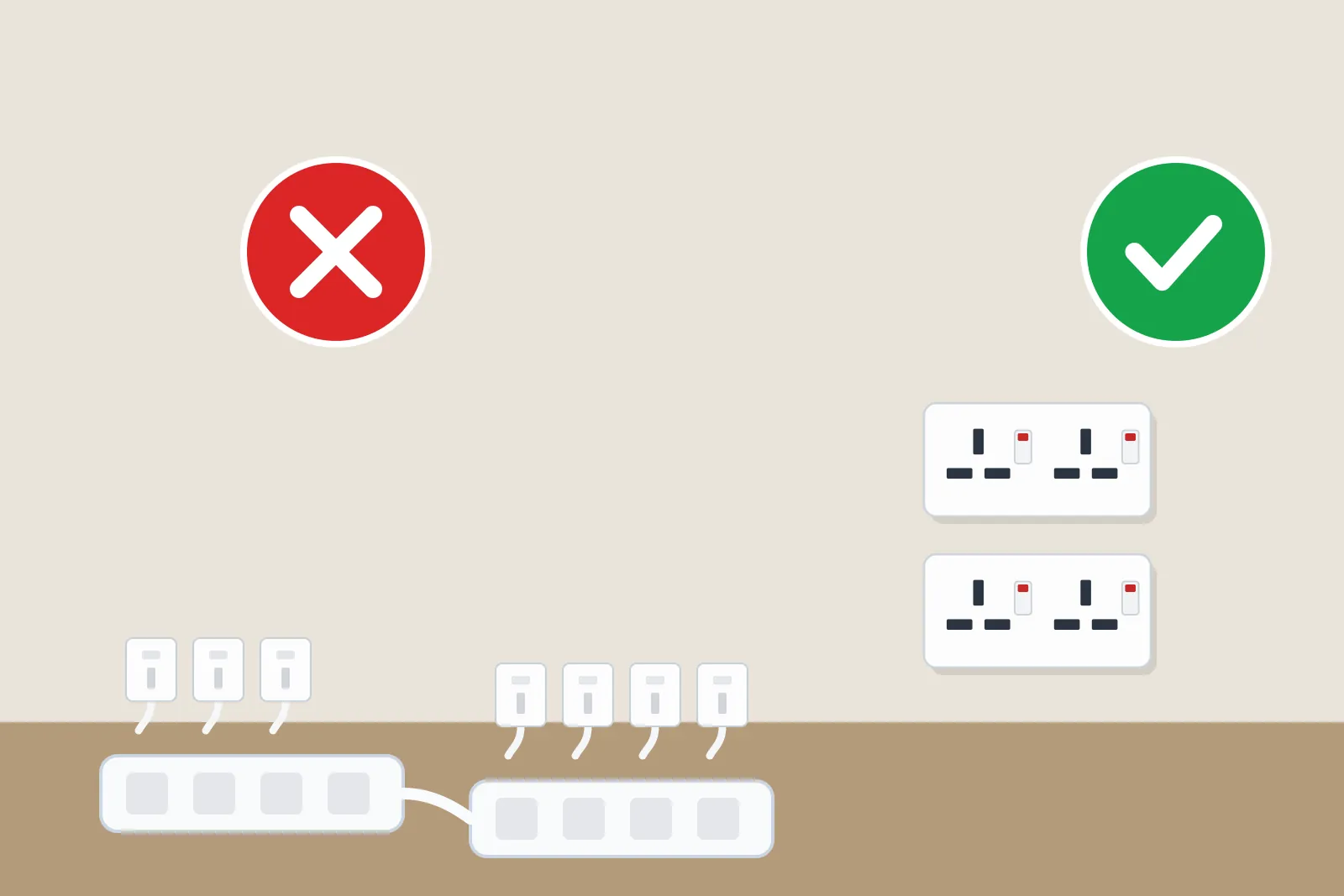
- An overloaded socket, often with adaptors or extension leads
- A damaged or poor-quality plug or charger
- An ageing socket whose contacts have worn
- A fault on the circuit itself
Need an electrician?
Describe the job and compare free quotes from local electricians near you.
- Free to use
- No obligation
- Compare local electricians
- Quick online form
You'll continue to our quotes partner, MyJobQuote, to describe your electrical job.
Signs it's been going on for a while
Look (without touching) for brown or black marks around the socket or plug pins, a faceplate that's discoloured or slightly melted, or a plug that's hard to pull out. Crackling or buzzing sounds are another warning sign. All of these mean the socket – and possibly the wiring behind it – needs an electrician's attention.
What the electrician will do
They'll isolate the circuit, inspect the socket and the wiring behind it, test the circuit and replace anything damaged. If the cause is overloading, they may suggest adding sockets so you're not running everything off one point. It's usually a quick job – and a lot cheaper than dealing with the alternative.