Typical costs
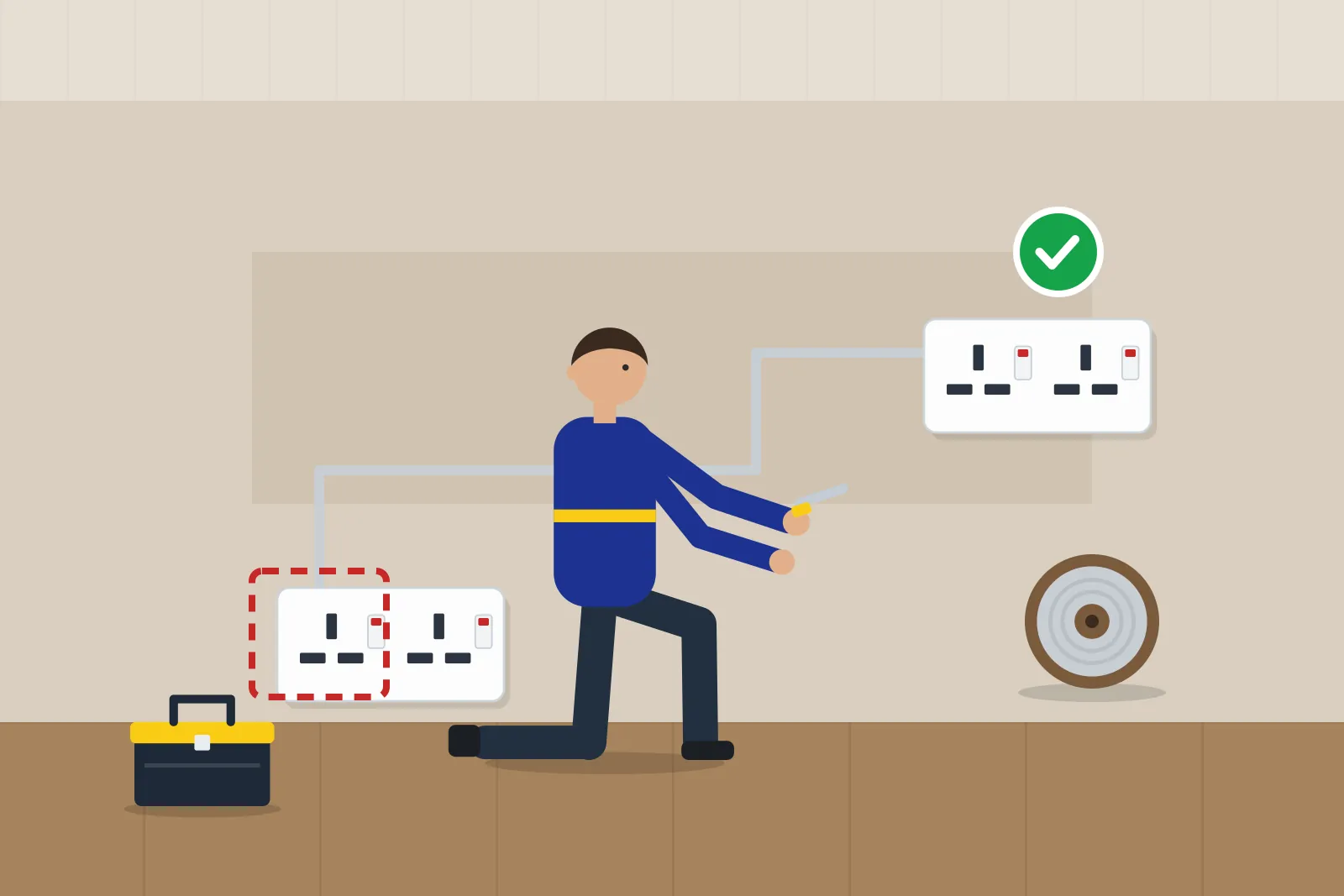
The cost of moving a socket depends on how far it's moving, how the cable can be routed, and whether the walls are about to be replastered anyway.
| Job | Typical cost |
|---|---|
| Move a socket a short distance (same wall) | £100 – £180 |
| Move a socket to another wall | £150 – £250 |
| Per socket during a renovation (first fix) | £60 – £120 |
| Raise sockets to a higher level | £80 – £150 each |
| Making good plaster (if not part of renovation) | Extra |
Indicative costs to move sockets (2026)
Why timing matters
In a renovation, electrical work happens in two stages. First fix is when cables and back boxes go in, before plastering. Second fix is when sockets and switches are connected after plastering. Moving sockets at first fix is much cheaper, because the walls are open and the plasterer will cover the chases anyway.
Moving sockets after the walls are finished means chasing into new plaster, then making good – which costs more and causes more mess.
Kitchens
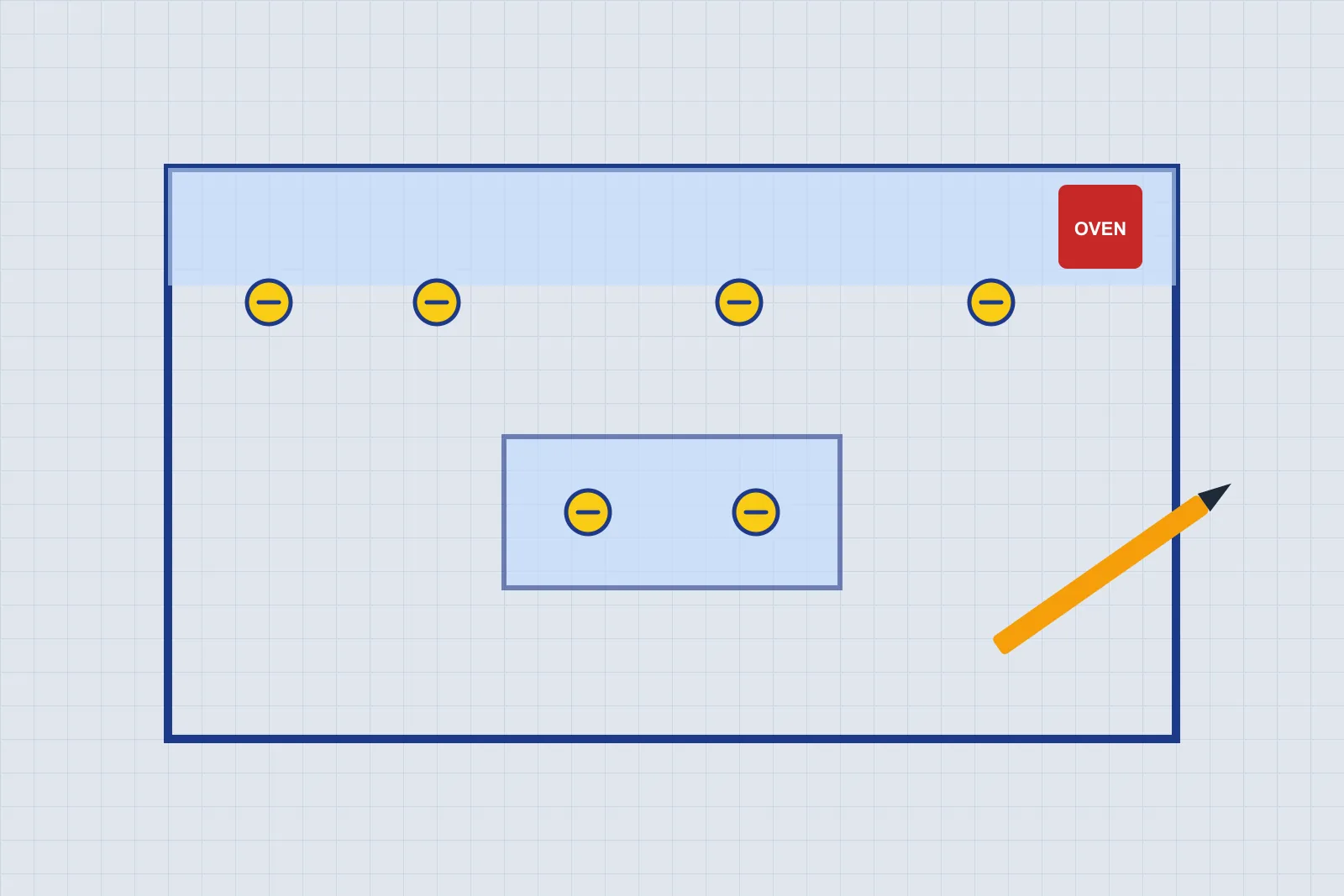
Kitchen refits are the most common reason for moving sockets. Worktop sockets need to be positioned to suit the new layout, and appliances may need dedicated circuits or fused spurs. See planning kitchen electrics.
Need an electrician?
Describe the job and compare free quotes from local electricians near you.
- Free to use
- No obligation
- Compare local electricians
- Quick online form
You'll continue to our quotes partner, MyJobQuote, to describe your electrical job.
Adding vs moving
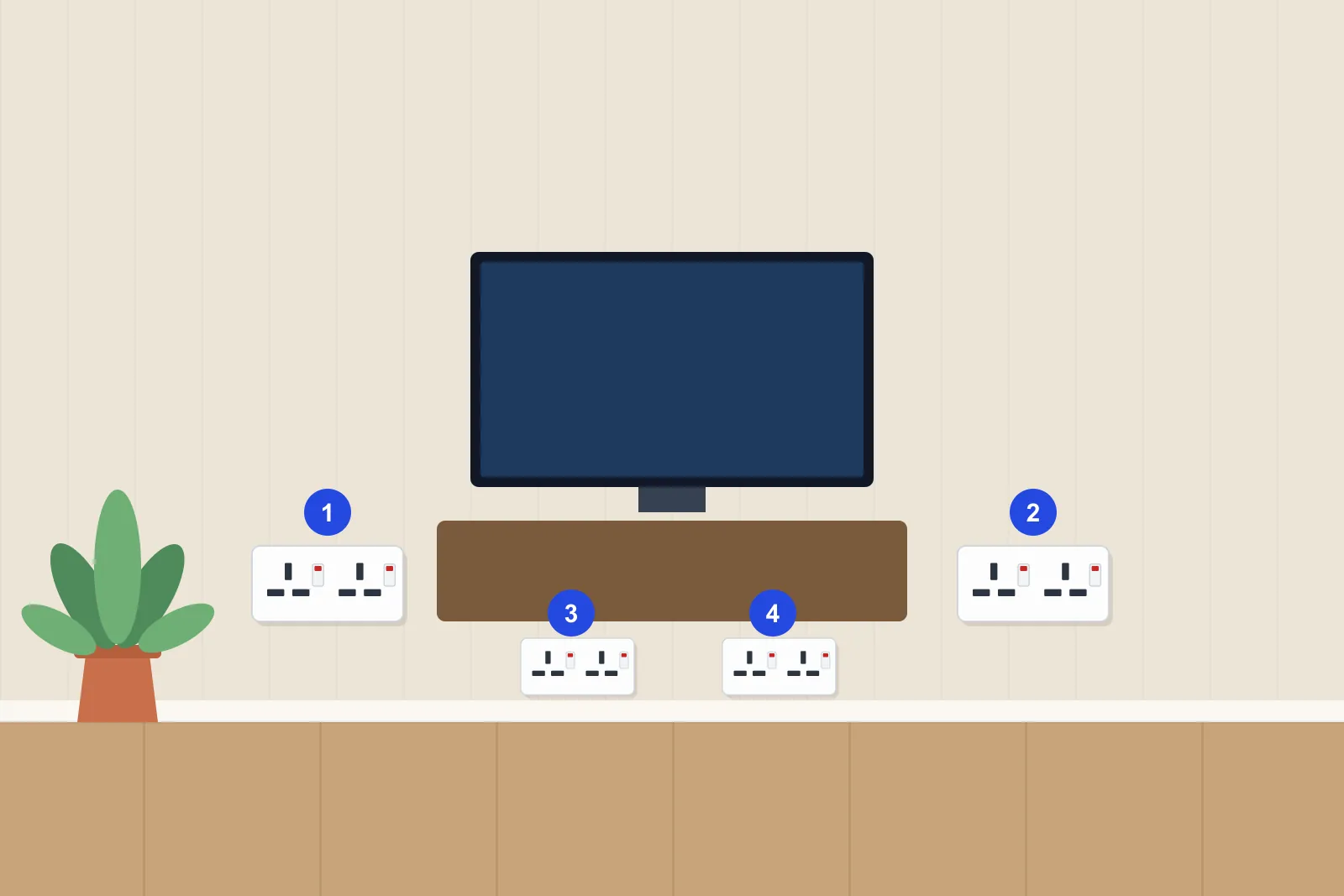
Often, it's better to add sockets rather than move them. If you're renovating, consider adding extra sockets at the same time – they cost much less when the walls are open. See how many sockets do I need and adding sockets and switches.
Rules and certificates
Moving a socket on an existing circuit is usually minor works and should come with a Minor Works Certificate. In kitchens and bathrooms, some work may be notifiable. See Part P building regulations explained. Get quotes from local electricians.