There's no magic number
There's no legal minimum number of sockets per room in an existing home. The right number depends on how you live: a teenager's bedroom with a gaming set-up needs far more than a guest room. The best way to plan is to walk around each room and list everything you plug in – then add a bit more for the future.
A room-by-room starting point
- Kitchen: a double socket for each section of worktop, plus dedicated points for built-in appliances
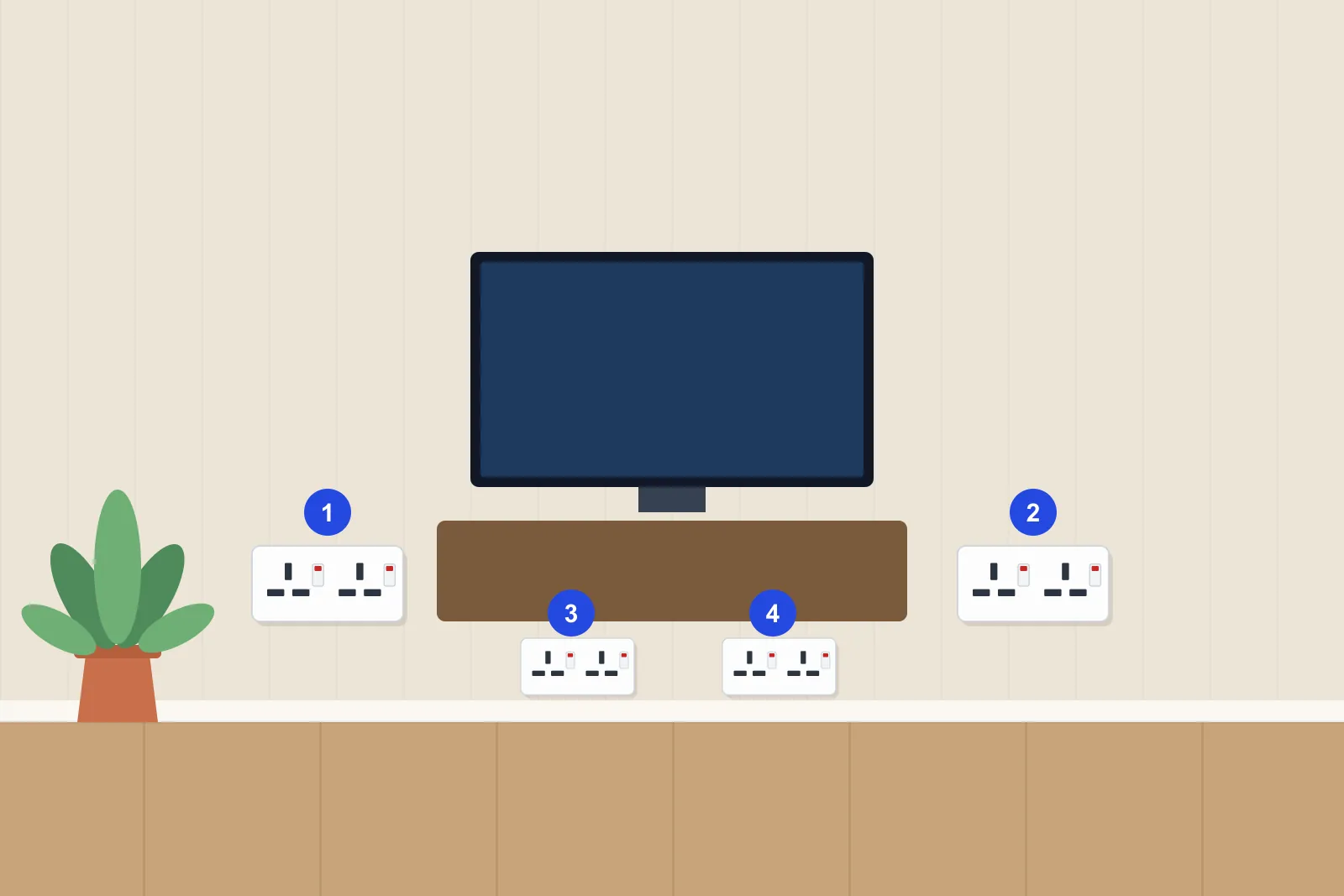
- Living room: at least two doubles on different walls, plus a cluster behind the TV
- Bedrooms: a double each side of the bed and one by any desk or dressing table
- Home office: several doubles at desk height, with USB options
- Hallway and landing: one for the vacuum cleaner and a lamp
- Garage and garden: at least one weatherproof outdoor socket
Need an electrician?
Describe the job and compare free quotes from local electricians near you.
- Free to use
- No obligation
- Compare local electricians
- Quick online form
You'll continue to our quotes partner, MyJobQuote, to describe your electrical job.
Think about height and position
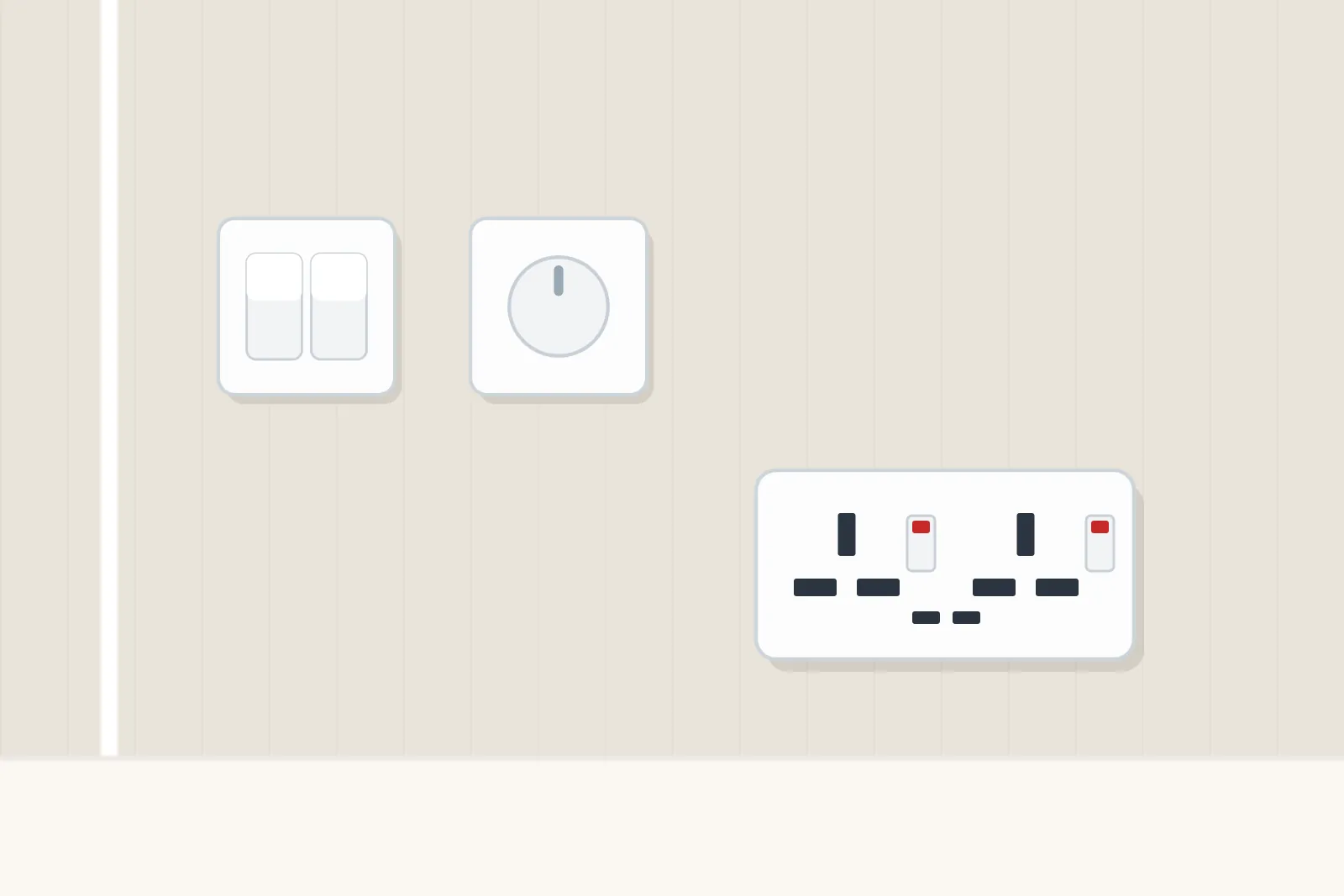
Sockets just above a desk or worktop are far easier to use than ones hidden at floor level behind furniture. Raised sockets can also make life easier for anyone with limited mobility. Plan where furniture will go before you decide positions.
The best time to add more
During a rewire, extension or kitchen refit, extra sockets cost relatively little to add because walls are open anyway. Adding them later is still very doable, just a bit more disruptive.