Why the electrics matter
Most people budget for a new boiler, the flue and maybe a few radiator valves. Fewer think about the wiring until the installer is standing in the kitchen saying the existing supply isn't quite right. It happens more often than you'd expect, especially when the old boiler went in twenty years ago and the house has been altered since.
Every modern gas or oil boiler needs electricity for its fan, pump, ignition and controls. That supply has to be properly protected, easy to isolate and correctly earthed. Get it right and it's a small part of the job. Get it wrong and you can end up with nuisance trips, a boiler that won't commission or, at worst, a genuine safety risk.
If you're still at the stage of pricing up the boiler itself, it's worth comparing boiler installation quotes and asking each installer how they plan to handle the electrical connection – the answers vary more than you might think.
The fused spur: the boiler's own off switch
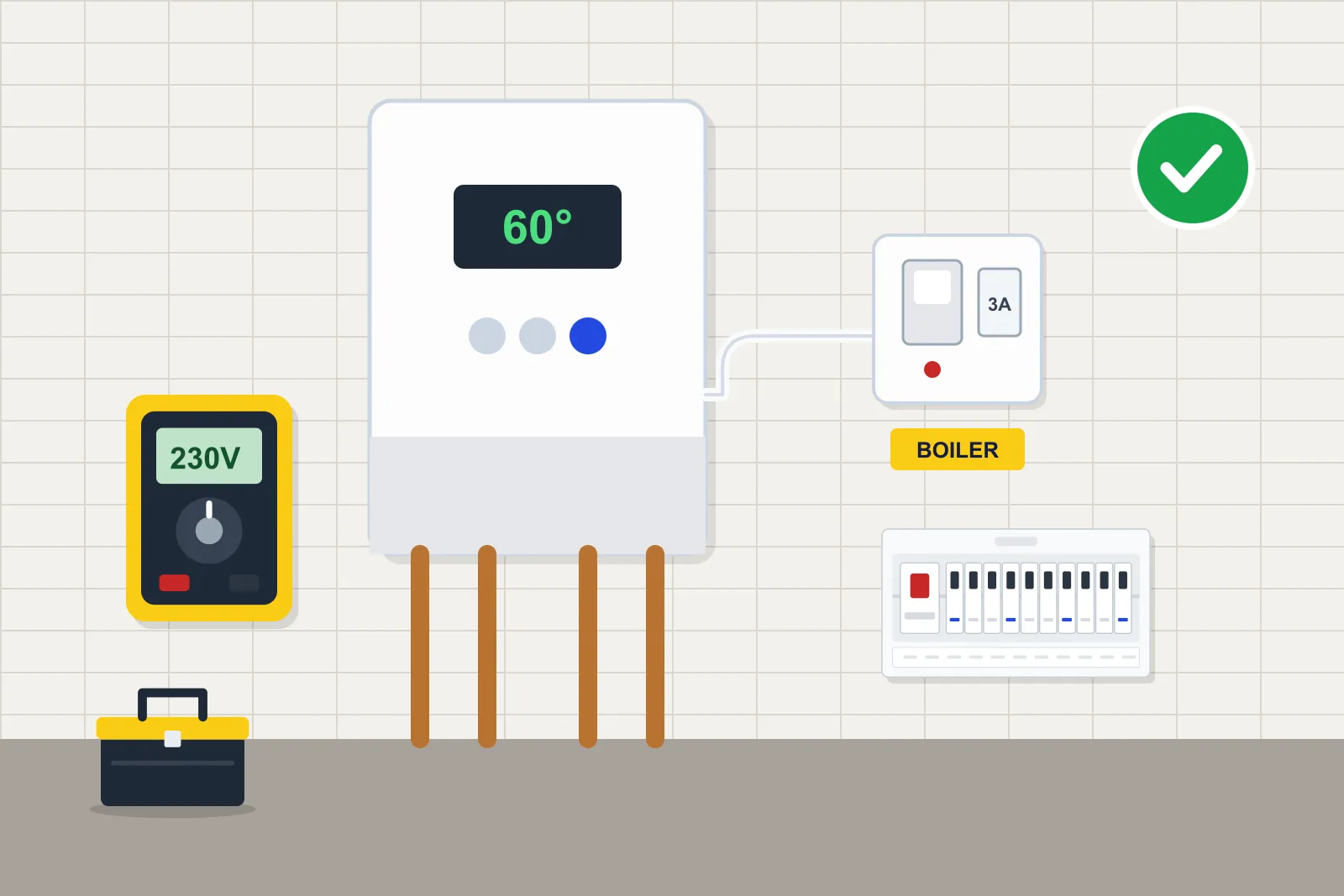
A boiler is normally supplied through a switched fused connection unit, usually called a fused spur. It looks a bit like a single socket with a switch and a small fuse carrier instead of holes for a plug. The fuse is typically a low rating, often 3 amps, as specified by the boiler manufacturer.
The spur gives anyone working on the boiler a clear way to switch it off, and the fuse protects the boiler's internal wiring. It should be within easy reach, near the boiler and clearly labelled so nobody confuses it with the fridge or the extractor fan.
Boilers shouldn't simply be plugged into a socket, and the old spur doesn't automatically suit the new boiler. If the boiler is moving – from the kitchen to a loft or airing cupboard, for example – the spur and its cable usually need to move with it.
Controls, wiring centres and smart thermostats
The boiler is only part of the picture. Room thermostats, programmers, cylinder thermostats and motorised valves all need wiring, and on system and regular boilers they often come together in a wiring centre near the hot water cylinder.
Upgrading to smart controls is popular when a boiler is replaced. Some smart thermostats are wireless and run on batteries; others need a hardwired receiver near the boiler, and a few need a permanent supply at the thermostat itself. It's worth deciding on the controls before the installation, so the cabling can be planned rather than improvised.
- Which controls are you keeping, and which are being replaced?
- Does the new thermostat need a mains supply or just a receiver?
- Is the old wiring centre being reused, replaced or removed?
- Are redundant cables and switches being taken out and made safe?
Earthing and bonding checks
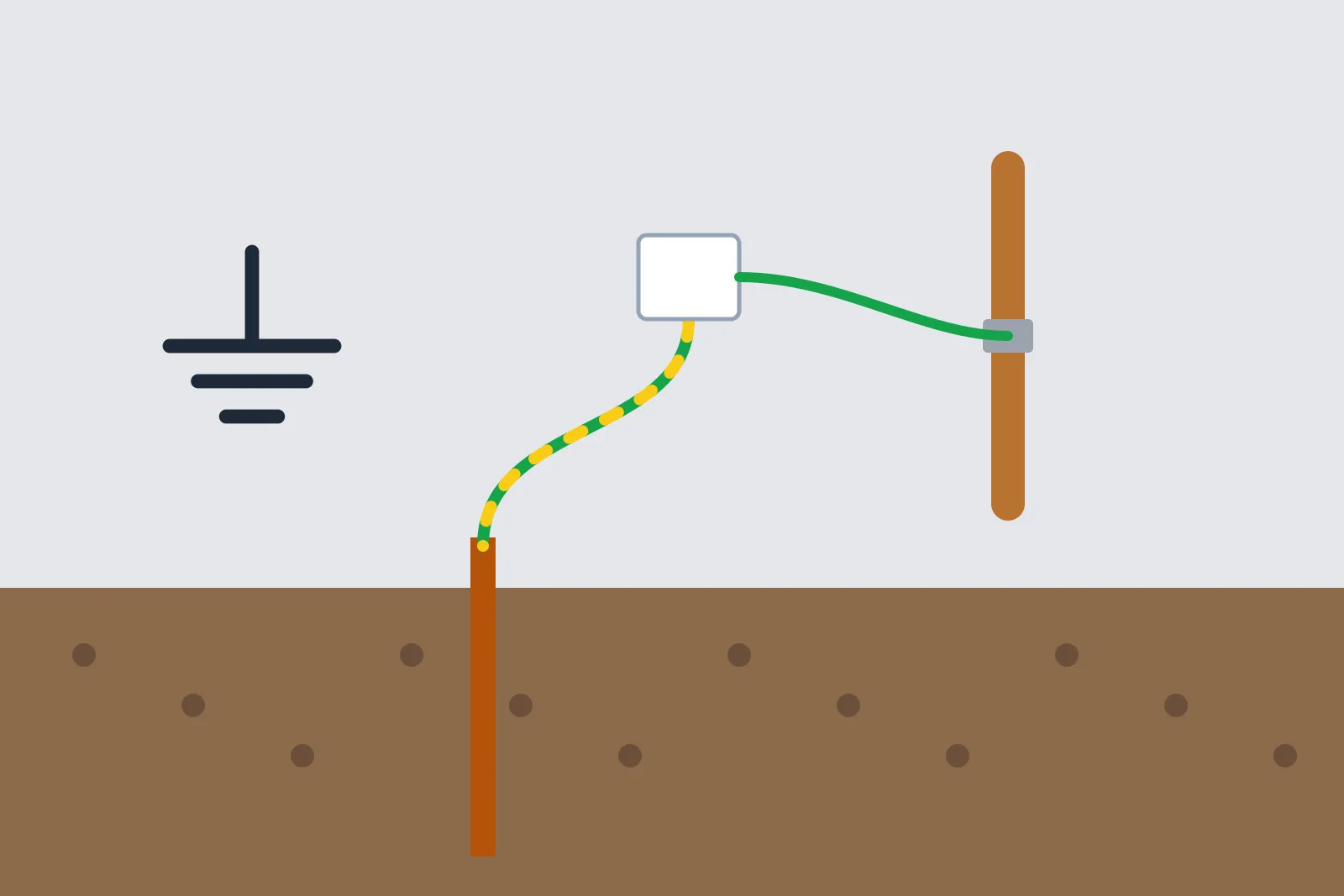
A boiler sits right where water, gas and electricity meet, so earthing and protective bonding matter. Main bonding connects incoming metal gas and water pipes to the main earthing terminal, and it's one of the things that often turns out to be missing or undersized in older homes.
If the installer spots a problem with the earthing, bonding or the condition of the circuit feeding the boiler, they may recommend that an electrician sorts it before the new boiler is commissioned. That isn't upselling – it's part of leaving the installation safe.
Many boilers are also sensitive to electrical faults on the circuit they share. If a circuit is tripping an RCD occasionally, a new boiler won't fix it and may make it more noticeable, so it's worth getting intermittent trips investigated first.
Need an electrician?
Describe the job and compare free quotes from local electricians near you.
- Free to use
- No obligation
- Compare local electricians
- Quick online form
You'll continue to our quotes partner, MyJobQuote, to describe your electrical job.
Electric boilers need a much bigger supply
Electric boilers are a different story. Instead of a few amps for a fan and pump, they draw a large current to heat the water, which means a dedicated circuit from the consumer unit with suitably sized cable and protection.
Before choosing one, an electrician should check your main fuse rating, the consumer unit's capacity and the total load on the house, especially if you already have an electric shower, an induction hob or an EV charger. In some homes the supply needs an upgrade from the network operator, which takes time to arrange. If you're weighing one up, it helps to read about electric boilers and the running costs alongside the electrical work.
Who does what, and the paperwork
Heating engineers are trained to make the boiler's electrical connection, and many will handle a straightforward swap where a suitable spur already exists. Where a new circuit is needed, the spur is moving a long way, or there are wider problems with the installation, that's work for a qualified electrician.
Adding a new circuit is notifiable work under Part P in England and Wales, so you should receive an electrical installation certificate when it's done. Smaller alterations to an existing circuit usually come with a minor works certificate. Keep these with the boiler's paperwork – buyers, landlords and insurers may ask for them later.
| Electrical job | Typical price range | Certificate |
|---|---|---|
| New or replacement fused spur | £80–£180 | Minor works |
| Moving the spur and cable to a new boiler position | £120–£300 | Minor works |
| Main protective bonding to gas and water pipes | £150–£350 | Minor works |
| Dedicated circuit for an electric boiler | £350–£900 | Installation certificate |
| Electrical installation condition report (EICR) | £150–£300 | EICR |
Indicative UK prices for common electrical work alongside a boiler installation. Prices vary by region, access and the condition of the existing wiring.
What to sort before installation day
A bit of planning makes the day go far more smoothly, and it stops a one-day boiler swap turning into a two-visit job.
- Tell the installer where the new boiler and controls will go
- Show them the consumer unit and the existing spur
- Mention any recent trips, scorch marks or warm accessories
- Decide on smart controls in advance
- Book an electrician early if a new circuit or bonding work is needed
- Ask who will provide which certificate