Paint is the last thing a wall should see
Almost every electrical job that changes where something sits in a room involves cutting into a wall or ceiling. A new double socket needs a back box sunk into the plaster and a cable chased down from above or up from the floor. Moving a light switch to the other side of a door leaves a hole where the old one was. Downlights need neat round holes cut in the ceiling, and wall lights need cables buried behind fresh plaster.
None of this is a problem in an unfinished room. It becomes one when the walls have just been painted, because repairs never quite disappear. Filler shrinks and needs sanding, a patched area absorbs paint differently from the wall around it, and even paint from the same tin can look different over a repair. The usual result is that the whole wall has to be repainted, and sometimes the ceiling as well.
The jobs that leave the biggest mark
Some electrical work is far more disruptive to finished surfaces than others. If any of these are on your list, they should be done before the room is painted:
- Adding sockets or moving existing ones, especially on solid brick walls
- Wall lights, picture lights and LED strip lighting with hidden drivers
- Downlights, or moving the position of a ceiling light
- Moving switches, adding two-way switching or fitting smart switches that need a neutral wire
- Hidden cabling for a wall-mounted TV, speakers or data points
- Mains-wired smoke and heat alarms
- Any work that means lifting floorboards in the room above
First fix, second fix and where painting fits in
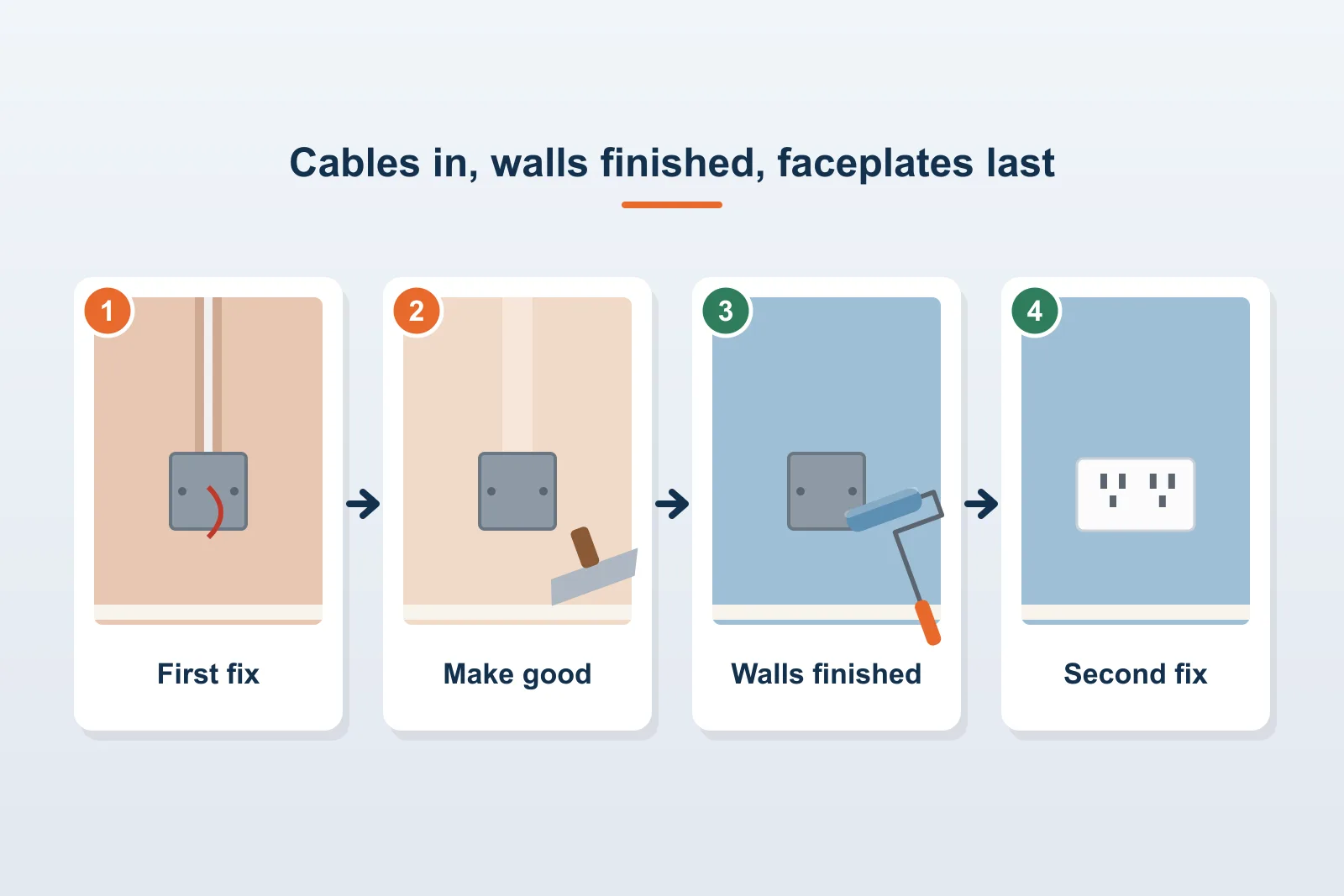
Electricians split most installation work into two visits. Knowing what happens at each makes it much easier to plan the room around them.
First fix
This is the messy stage. Cables are run, chases are cut, back boxes are fixed and holes are made in the ceiling. Nothing works yet, and the room usually looks worse than when you started. All of the work that affects the plaster happens now.
Making good
Before any paint goes on, the chases and holes need filling or replastering. Whether this is included in your electrician's price varies, so read the quote carefully. Small chases in plasterboard can be filled and sanded quickly, but deeper chases in older solid walls are often filled with bonding coat and finished by a plasterer, and that plaster then needs time to dry.
Second fix
Once the walls are repaired, sockets, switches and light fittings are connected, the circuits are tested and the work is certified. In practice, most electricians finish and test everything first. The faceplates can then be eased off the wall with the circuit switched off while the room is painted, and screwed back afterwards. Back boxes with live cables should never be left open in a home that's being lived in.
Testing, certificates and building regulations
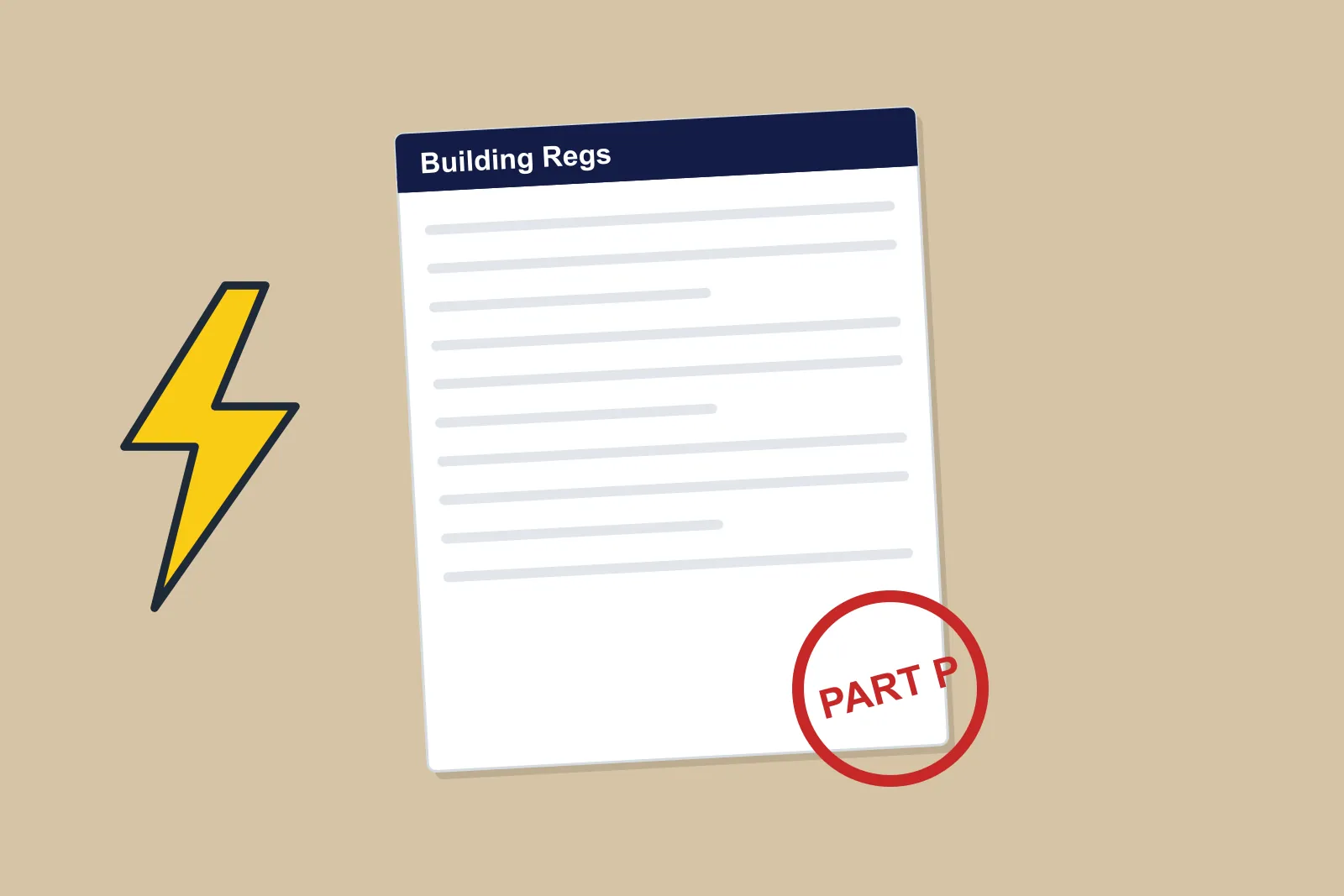
In England and Wales, some electrical work is notifiable under Part P of the Building Regulations, including adding a new circuit, replacing a consumer unit and certain work in bathrooms. Adding a socket to an existing circuit in a living room usually isn't notifiable, but it should still be tested, and you should receive a Minor Electrical Installation Works Certificate. Scotland has its own building standards, and some work there needs a building warrant.
The testing stage matters for the decorating too. If a test shows a problem, a cable may need re-routing or a back box moving. That's a small inconvenience on a bare wall and an expensive one on a newly painted one, which is another reason to leave the finishing coats until the electrician has signed the work off.
Need an electrician?
Describe the job and compare free quotes from local electricians near you.
- Free to use
- No obligation
- Compare local electricians
- Quick online form
You'll continue to our quotes partner, MyJobQuote, to describe your electrical job.
Plan the room before anyone starts
The surest way to avoid a second round of chasing is to decide exactly what the room needs before any work begins. Walk round it and think about how you'll use it day to day. A short list now saves a return visit later:
- Where the furniture will go, so sockets aren't hidden behind a wardrobe or sofa
- Bedside sockets and switches, including USB charging points
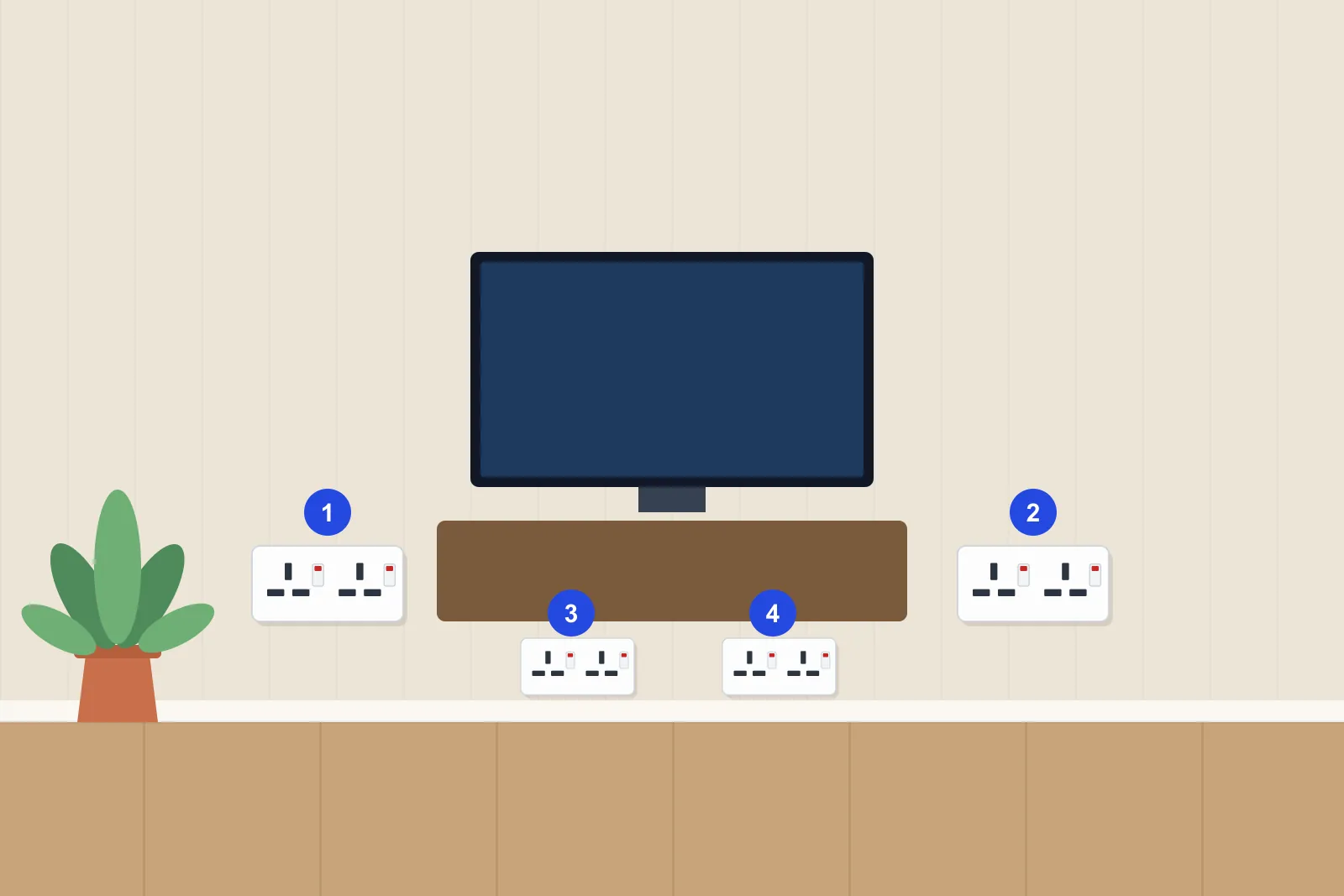
- The TV position and whether you want the cables hidden in the wall
- Lighting: ceiling, wall lights, dimmers and where each switch should be
- Any outside light or socket on the other side of the wall, which can be wired at the same time
- Smoke and heat alarm positions on the ceiling
What if the room has already been painted?
Sometimes the order goes wrong. A room is redecorated for a sale or a new arrival, and only afterwards does someone realise there aren't enough sockets. It isn't the end of the world, but it changes how the work is done.
An electrician can often reduce the damage by feeding cables down from the loft or up from the floor void instead of chasing across a wall, by placing a new socket directly above or below an existing one, or by fitting a surface-mounted box with neat trunking along the skirting. These options aren't as tidy as a flush socket, and a recessed one will still need the wall patched and refinished around it.
As a rough guide, adding a double socket to an existing circuit costs around £100–£220. If the wall then has to be redone, that's a second trade and a second bill for the same few square metres, which is why getting the order right is almost always the cheaper option.
Coordinating your electrician and your decorator
Once the electrical work is finished and the walls are made good, the room is ready for its finishing coats. Tell your decorator what work has been done and when the repairs were completed, because filled chases and new plaster need preparing differently from a sound, previously painted wall. If you haven't found anyone yet, compare quotes from local interior decorators as soon as you have a finish date for the electrics, so the two jobs line up without a long gap in between.
It also helps to put the two trades in touch. A two-minute phone call about faceplates, the timing of the second fix and whether any back boxes are still waiting for fittings can save a wasted visit for both of them.
In summary
Electrical work changes walls and ceilings; painting finishes them. Getting the cables, back boxes and fittings in first, letting the repairs dry and then decorating means the room is only disturbed once and the finish lasts. Plan the room carefully, check what your electrician's quote includes for making good, and book the decorator for after the testing is done.