Electric garage doors
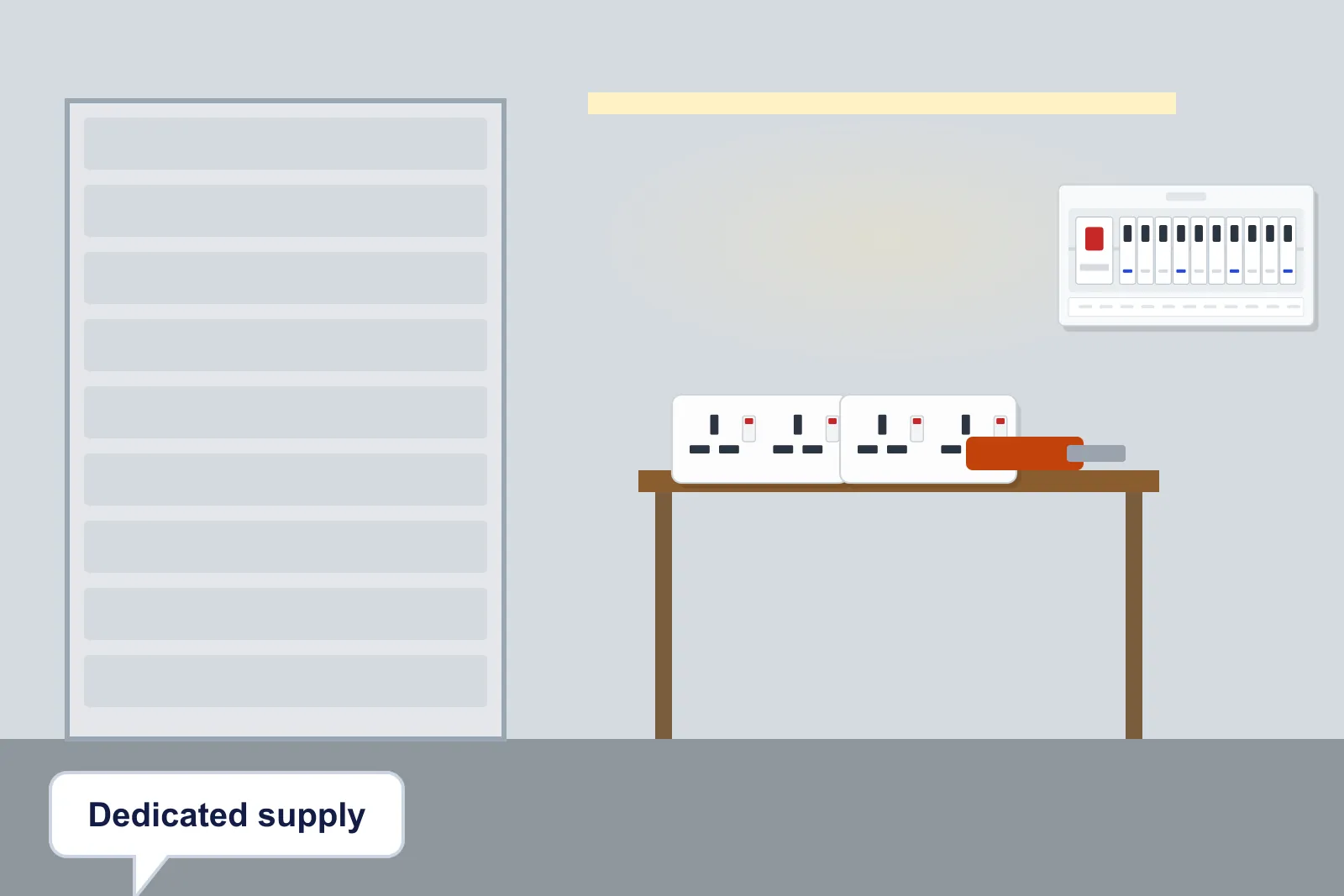
Most electric roller and up-and-over doors need a fused connection unit (fused spur) or a socket near the motor, usually high on the wall or ceiling inside the garage. If there's already a supply in the garage, this is a simple job. If not, a new cable run from the house is needed. A local isolator lets the door be switched off safely for servicing.
Garage door installers often expect the power supply to be in place before they arrive, so book the electrician first. See garage electrics.
Electric driveway gates
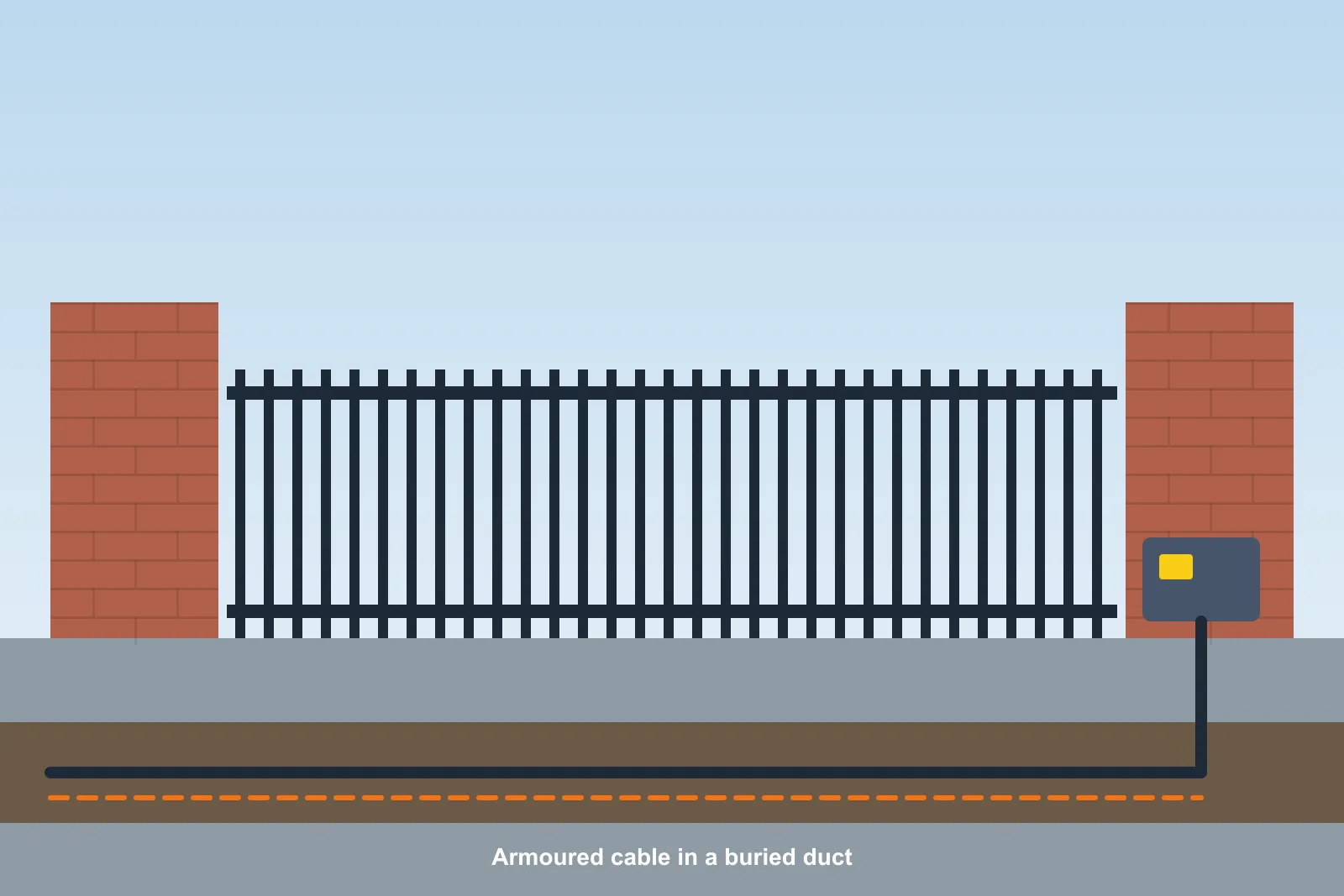
Gates are more involved, because the supply usually has to reach the gate posts at the end of a drive. The standard approach is a dedicated circuit from the consumer unit, run in armoured (SWA) cable buried in a trench at a safe depth, ending at a weatherproof isolator near the gate control box. Cables for intercoms, keypads, safety photocells and lights often run in ducts alongside.
Trenching across a drive is the biggest cost. Where possible, plan the cable route before a new drive is laid, and lay spare ducts for future needs.
Need an electrician?
Describe the job and compare free quotes from local electricians near you.
- Free to use
- No obligation
- Compare local electricians
- Quick online form
You'll continue to our quotes partner, MyJobQuote, to describe your electrical job.
Safety and regulations
Automated gates can cause serious injuries if safety devices are missing or poorly set up. The gate installer is responsible for the gate safety system; the electrician for the supply. See garden and outdoor electrics and Part P explained.
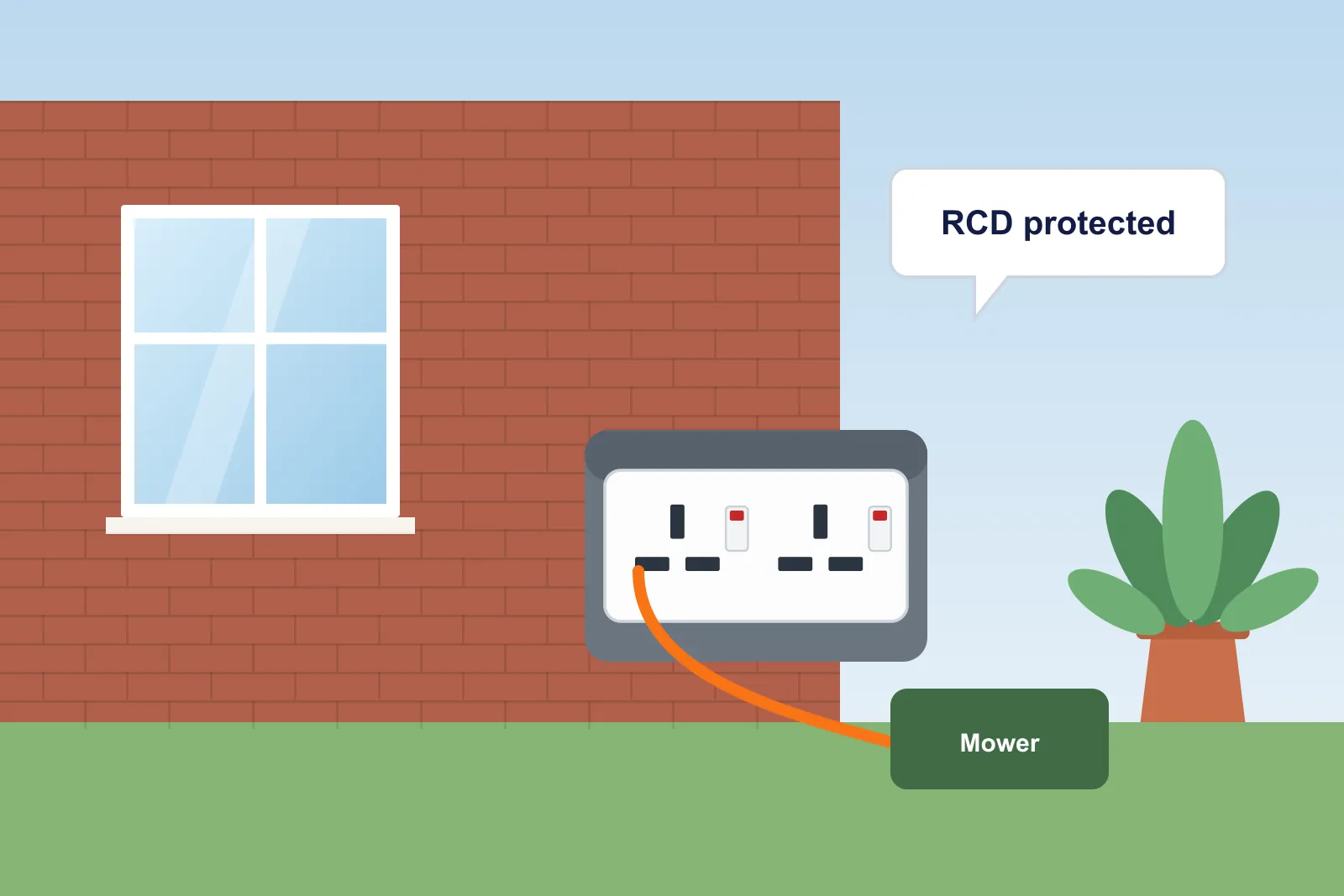
- RCD protection for the circuit
- Weatherproof isolator near the gate motor
- Cable buried at the correct depth and marked with warning tape
- Earthing arrangements suitable for outdoor equipment
- Gate safety devices (photocells, safety edges) fitted by the gate installer
- New circuits certified under Part P in England
Typical costs
Get quotes from local electricians and share the gate installer's requirements with them.
| Job | Typical cost |
|---|---|
| Fused spur for a garage door (existing supply nearby) | £80 – £180 |
| New supply to garage door motor | £200 – £450 |
| SWA supply to driveway gate (up to 15m, soft ground) | £600 – £1,400 |
| Trenching through block paving or tarmac | +£40 – £100 per metre |
| Weatherproof isolator at gate | £60 – £120 |
Indicative power supply costs (2026, electrical work only)