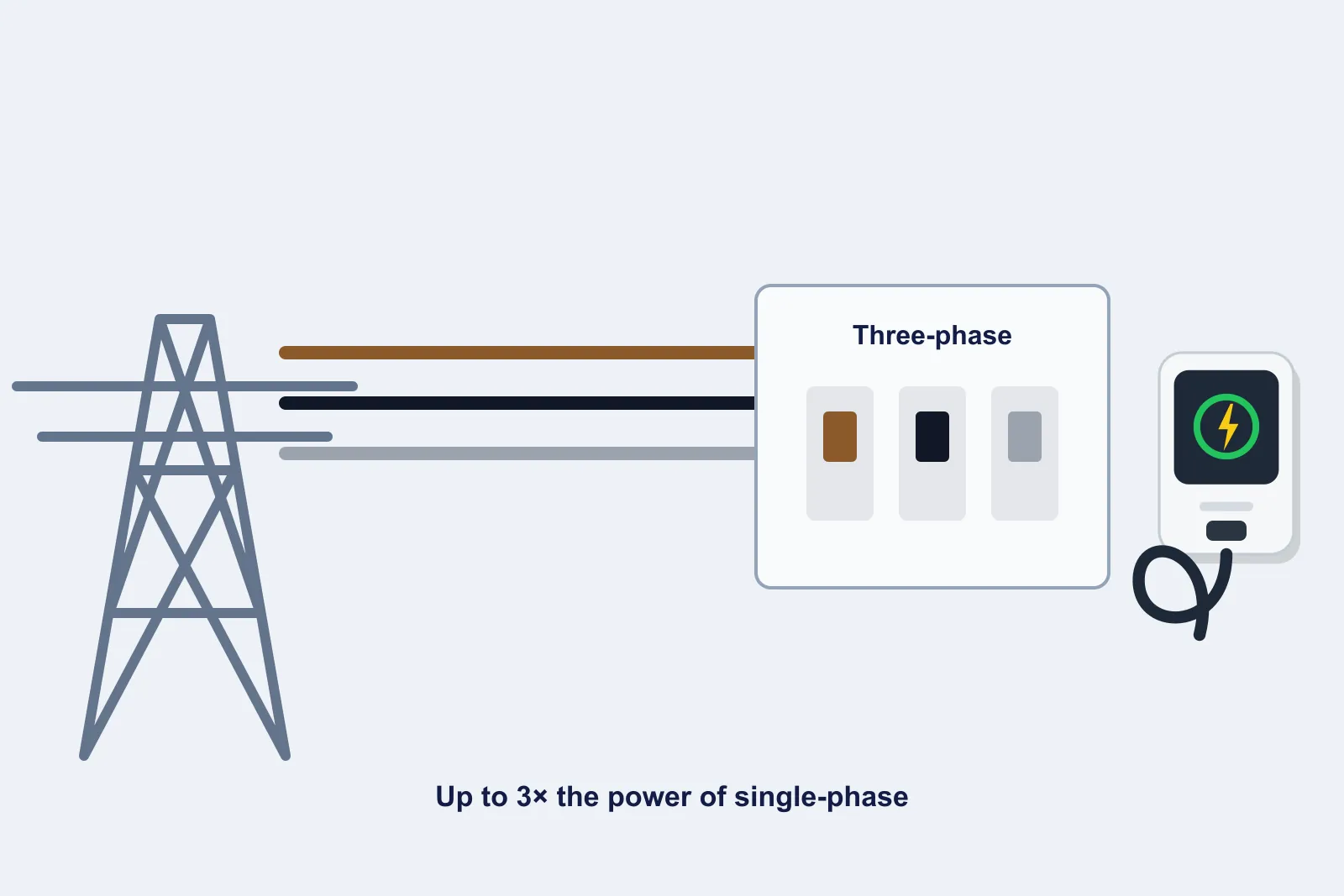
Single-phase vs three-phase
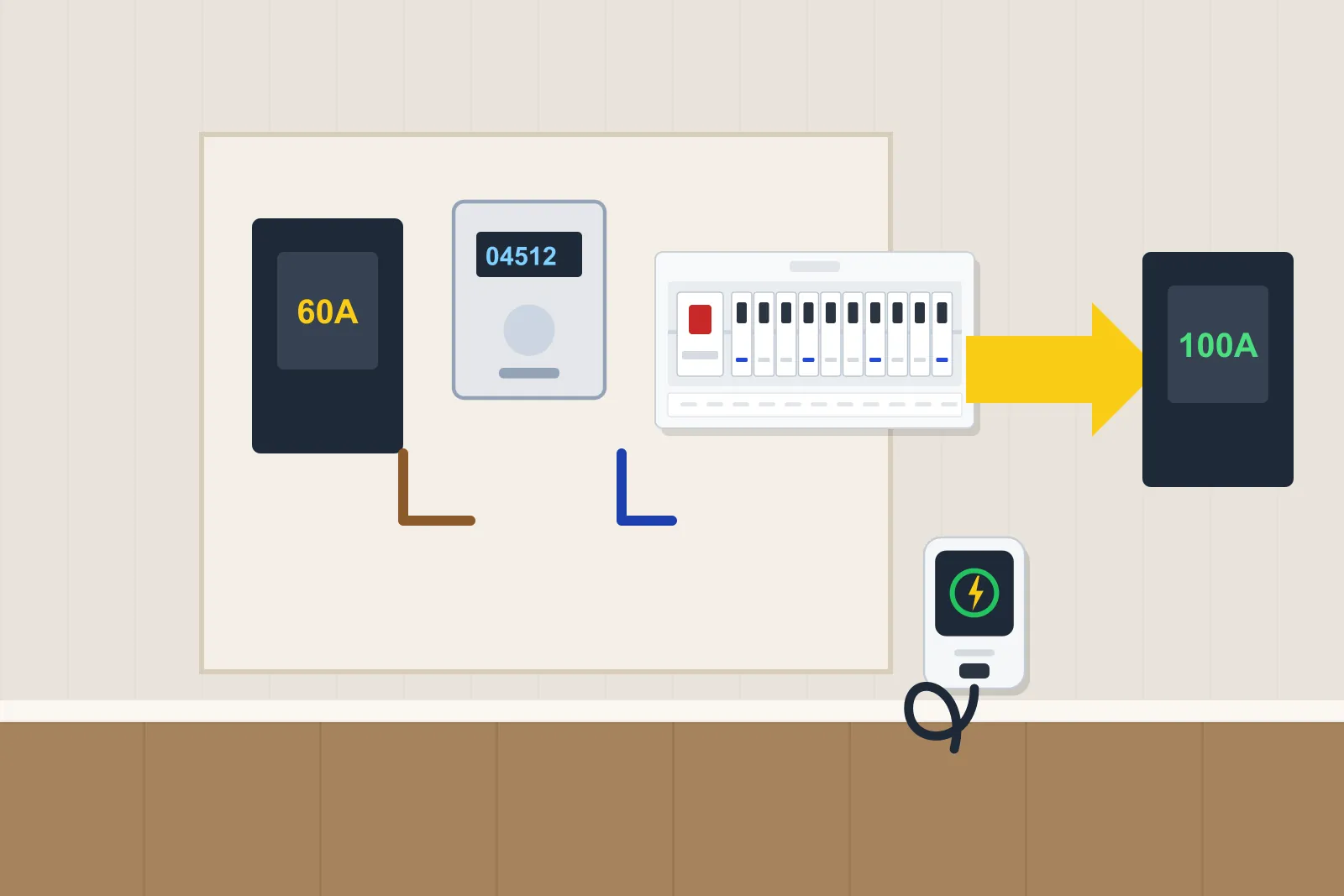
A single-phase supply has one live conductor and a neutral, delivering 230V. Most homes have a main fuse of 60A, 80A or 100A, which limits how much power the house can draw at once – roughly 14kW, 18kW or 23kW.
A three-phase supply has three live conductors, each at 230V to neutral and 400V between phases. It can deliver around three times the power of a single phase with the same fuse rating. Factories, farms and commercial buildings use it routinely. Homes rarely need it, but as more households electrify, it's becoming more common.
When a home might need three-phase
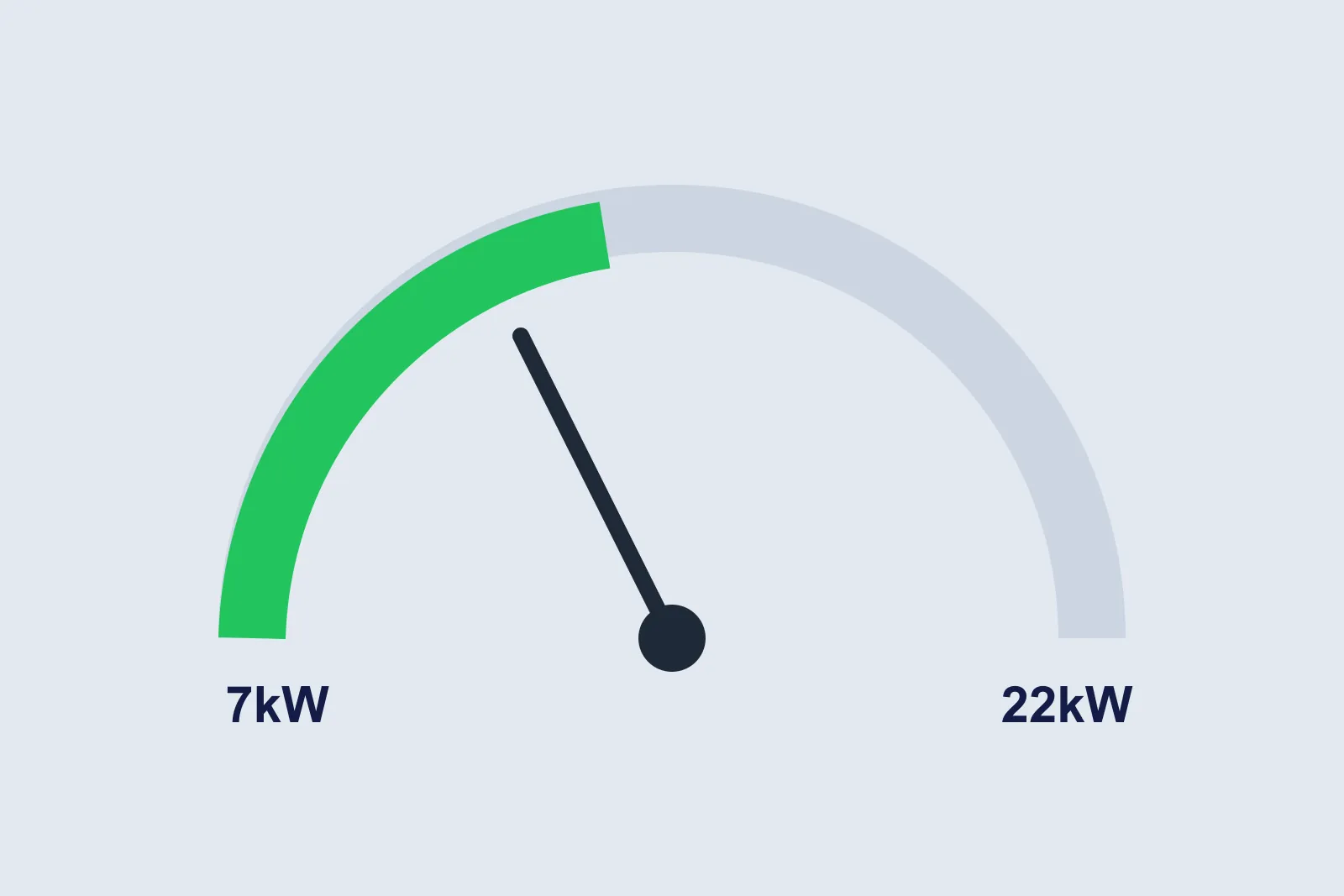
Often, a load management device or an upgrade from a 60A to a 100A single-phase fuse solves the problem more cheaply. See upgrading your main fuse and 7kW vs 22kW EV chargers.
- A 22kW EV charger (single-phase chargers max out at 7.4kW)
- Two or more EV chargers plus other large loads
- A large heat pump in a big house
- A workshop with three-phase machinery
- Several large loads together – electric showers, induction hob, hot tub, charger
- A large home battery system or export arrangement agreed with the network operator
Need an electrician?
Describe the job and compare free quotes from local electricians near you.
- Free to use
- No obligation
- Compare local electricians
- Quick online form
You'll continue to our quotes partner, MyJobQuote, to describe your electrical job.
How to get three-phase
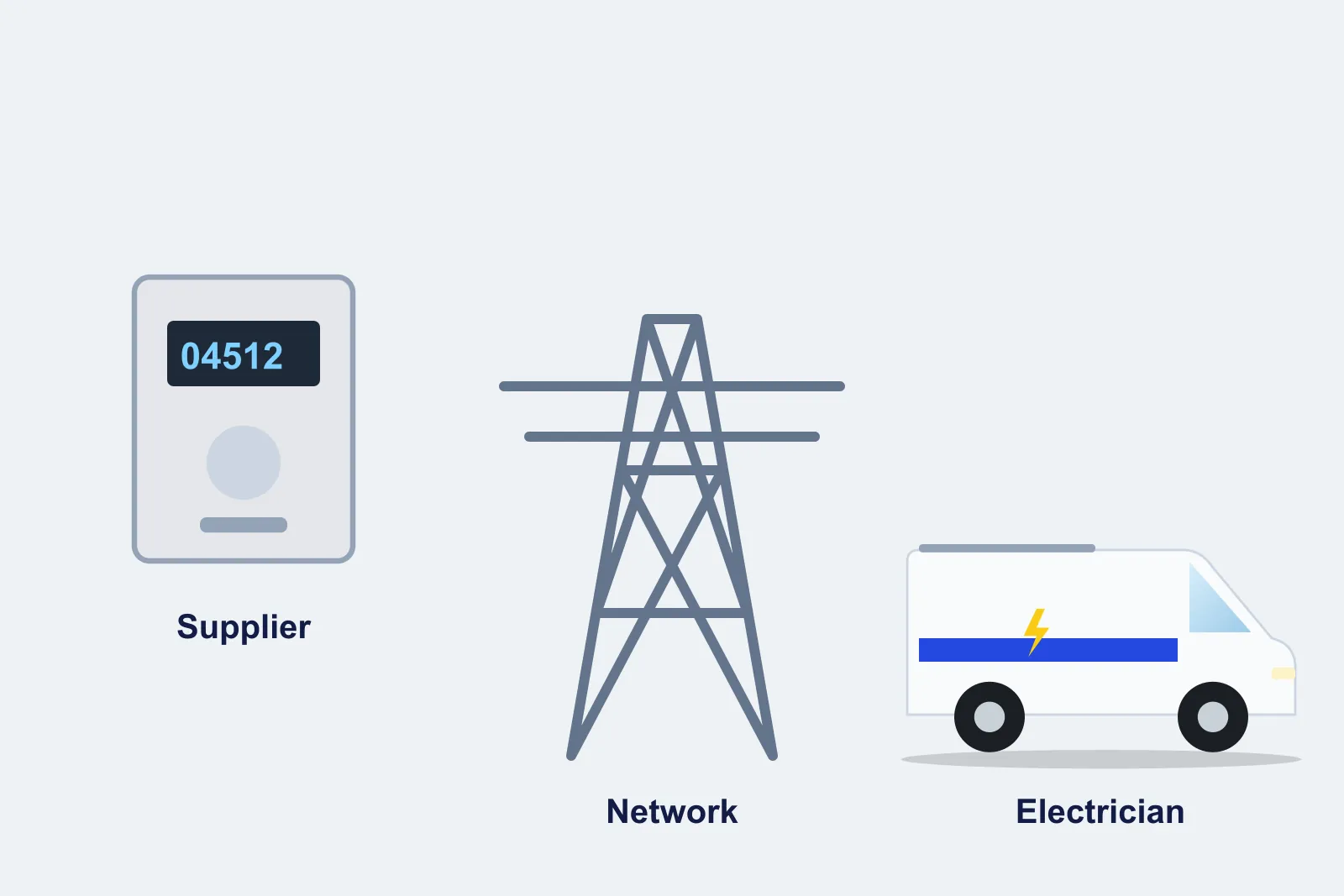
Three-phase supplies are provided by your Distribution Network Operator (DNO) – the company that owns the cables in your area, not your energy supplier. You apply to the DNO with details of your planned loads. They'll assess whether the local network can support it, then quote for the work. In some streets the cables already carry three phases and the upgrade is relatively simple; in others it means new cables from the substation.
Once the new supply is in place, an electrician installs a three-phase meter tails arrangement, a suitable consumer unit and any new circuits. Your energy supplier may need to fit a new meter. See who to call: supplier, network or electrician.
Typical costs
Timescales vary from a few weeks to several months. Speak to an electrician first – they can calculate your maximum demand and tell you whether three-phase is genuinely needed.
| Item | Typical cost |
|---|---|
| DNO three-phase upgrade (cable already in street) | £1,500 – £4,000 |
| DNO upgrade needing new cable or substation work | £5,000 – £15,000+ |
| Three-phase consumer unit and electrician's work | £800 – £2,000 |
| Meter exchange by supplier | Often free – check |
Indicative three-phase upgrade costs (2026)