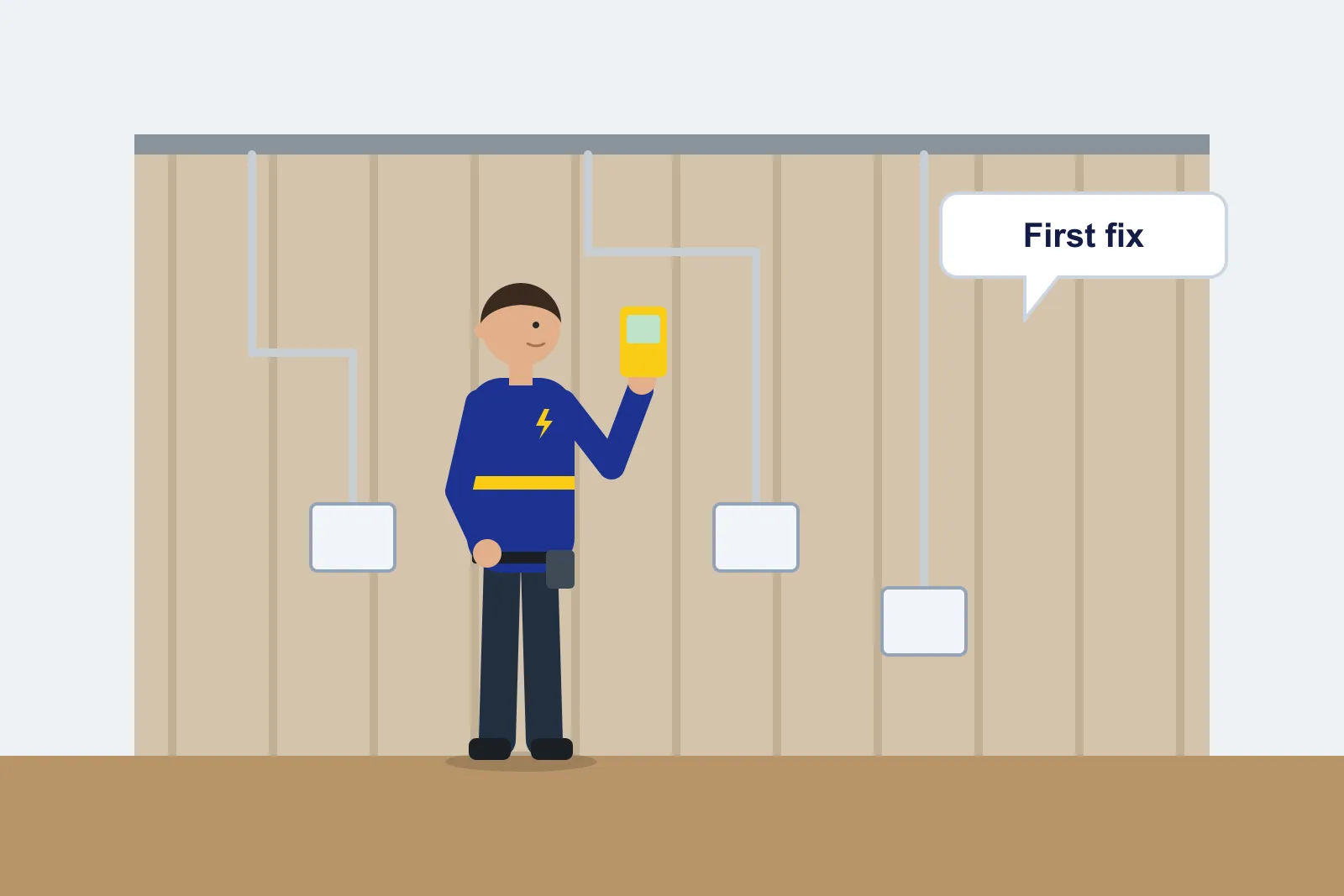
First fix and second fix
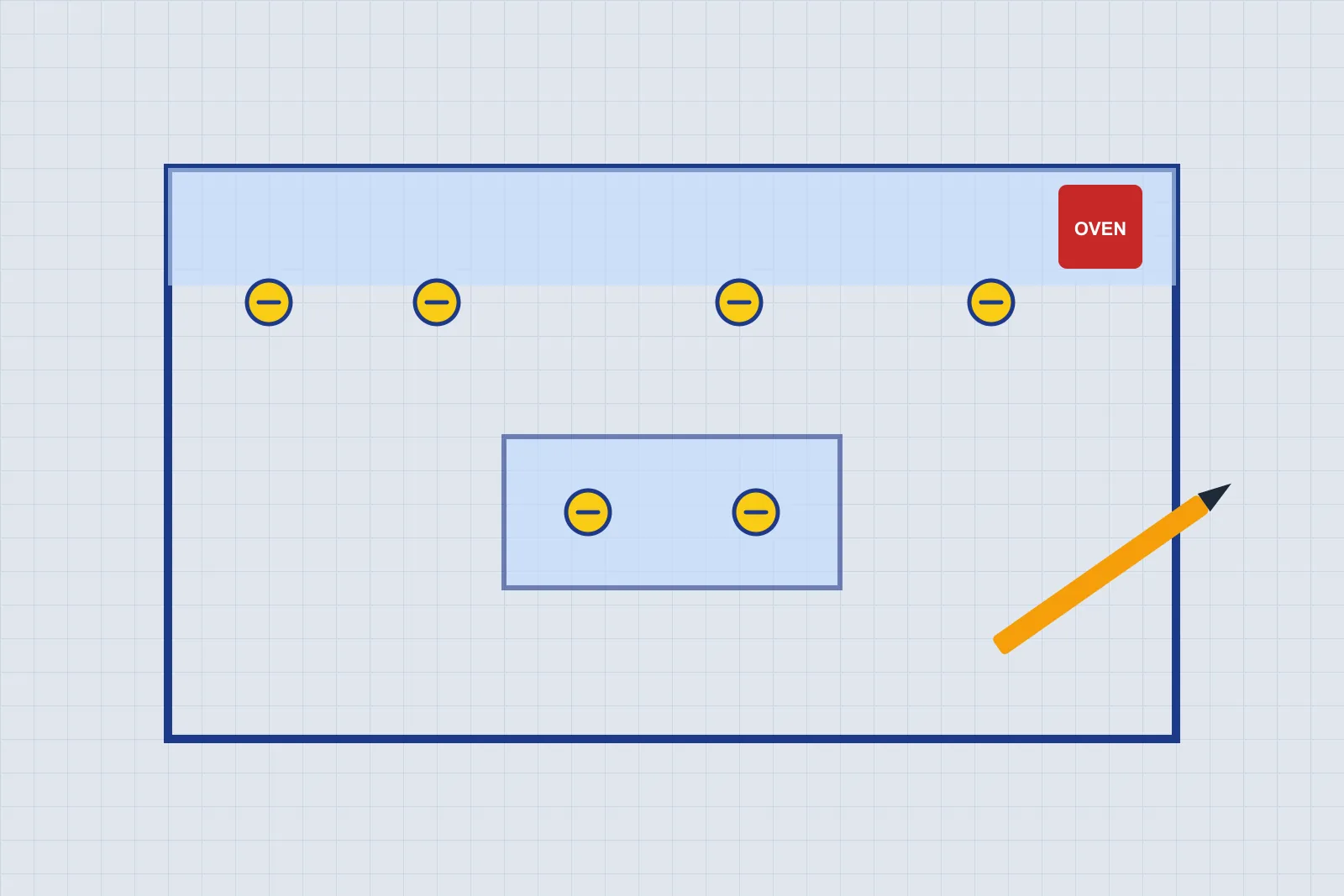
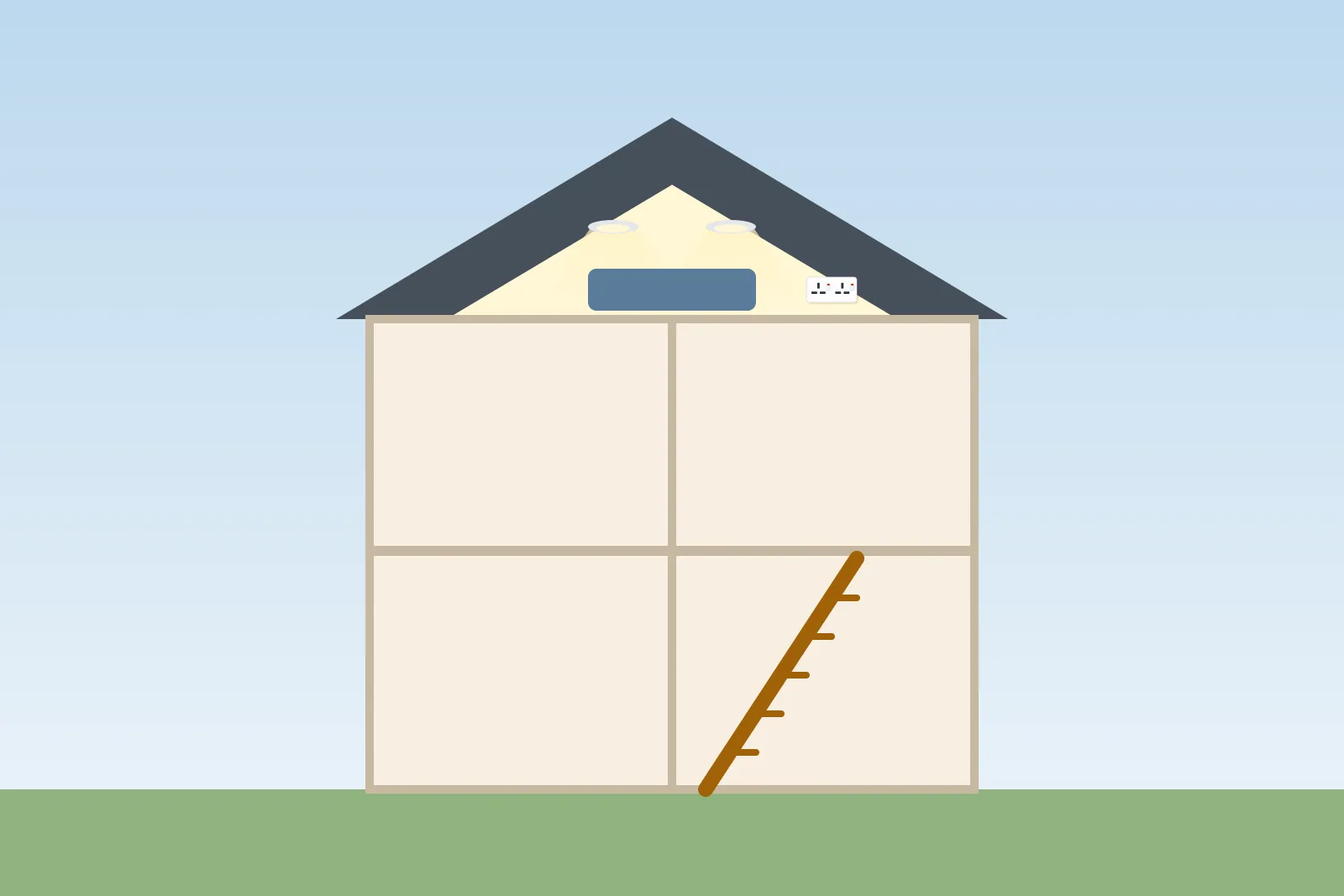
Extension electrics happen in two stages. First fix is done once the shell is up and before plastering: the electrician runs cables, fits back boxes for sockets and switches, positions ceiling light cables and installs any new circuits. Second fix comes after plastering: fitting sockets, switches, light fittings and appliances, then testing and certifying everything.
Changes after first fix are much more expensive, because they involve chasing finished walls or lifting new floors. Spend time on the layout before plastering.
Can your consumer unit cope?
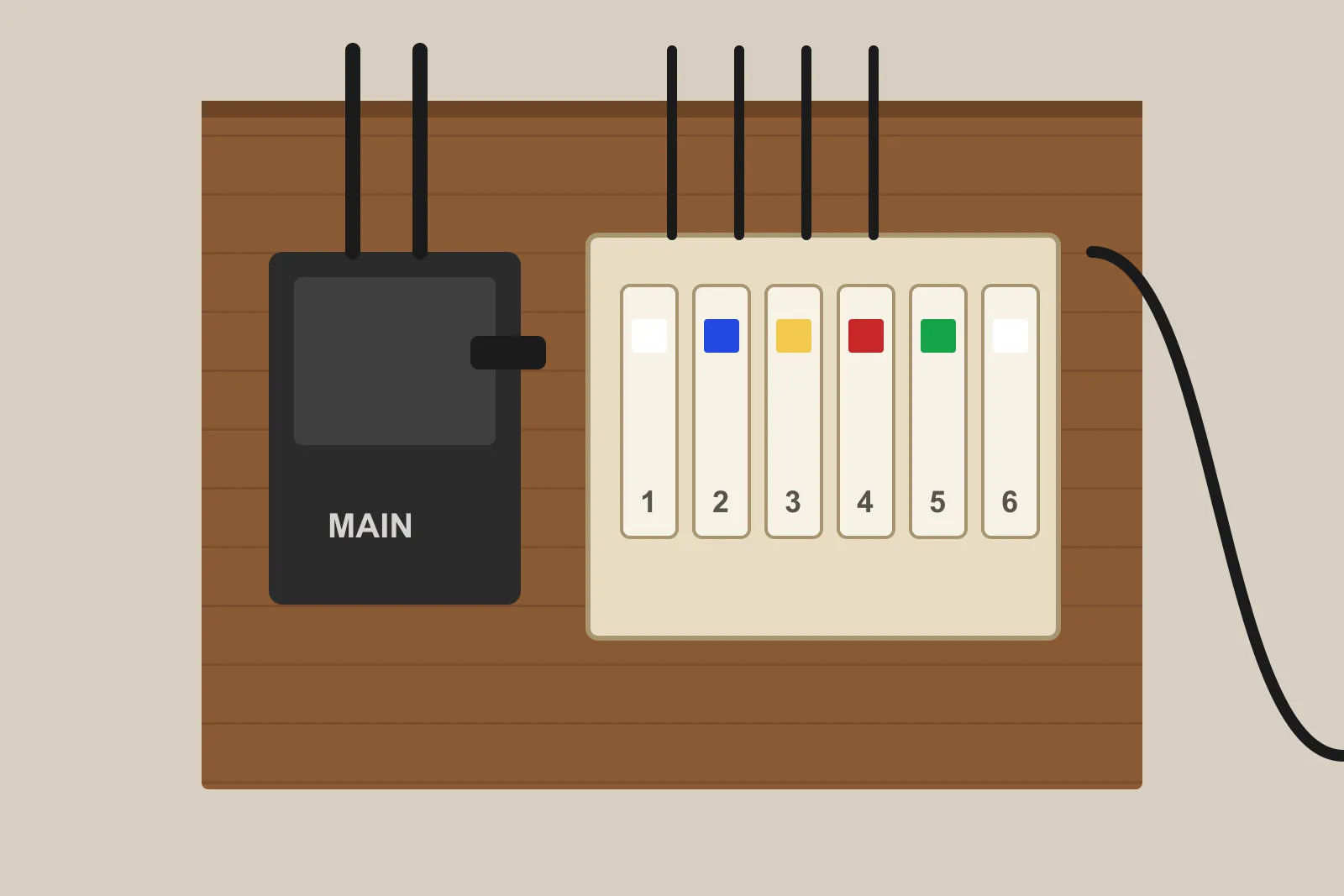
Adding circuits for a new kitchen, an electric hob and oven, outdoor lighting and maybe an EV charger can push an older consumer unit beyond its capacity. It may not have spare ways, may lack RCD protection, or may be too old to extend safely. Many extension projects include a consumer unit upgrade. See consumer unit upgrades explained.
The electrician will also check the main supply. Larger homes with lots of electric appliances, an EV charger and a heat pump may need a bigger main fuse. See upgrading your main fuse.
Planning the layout
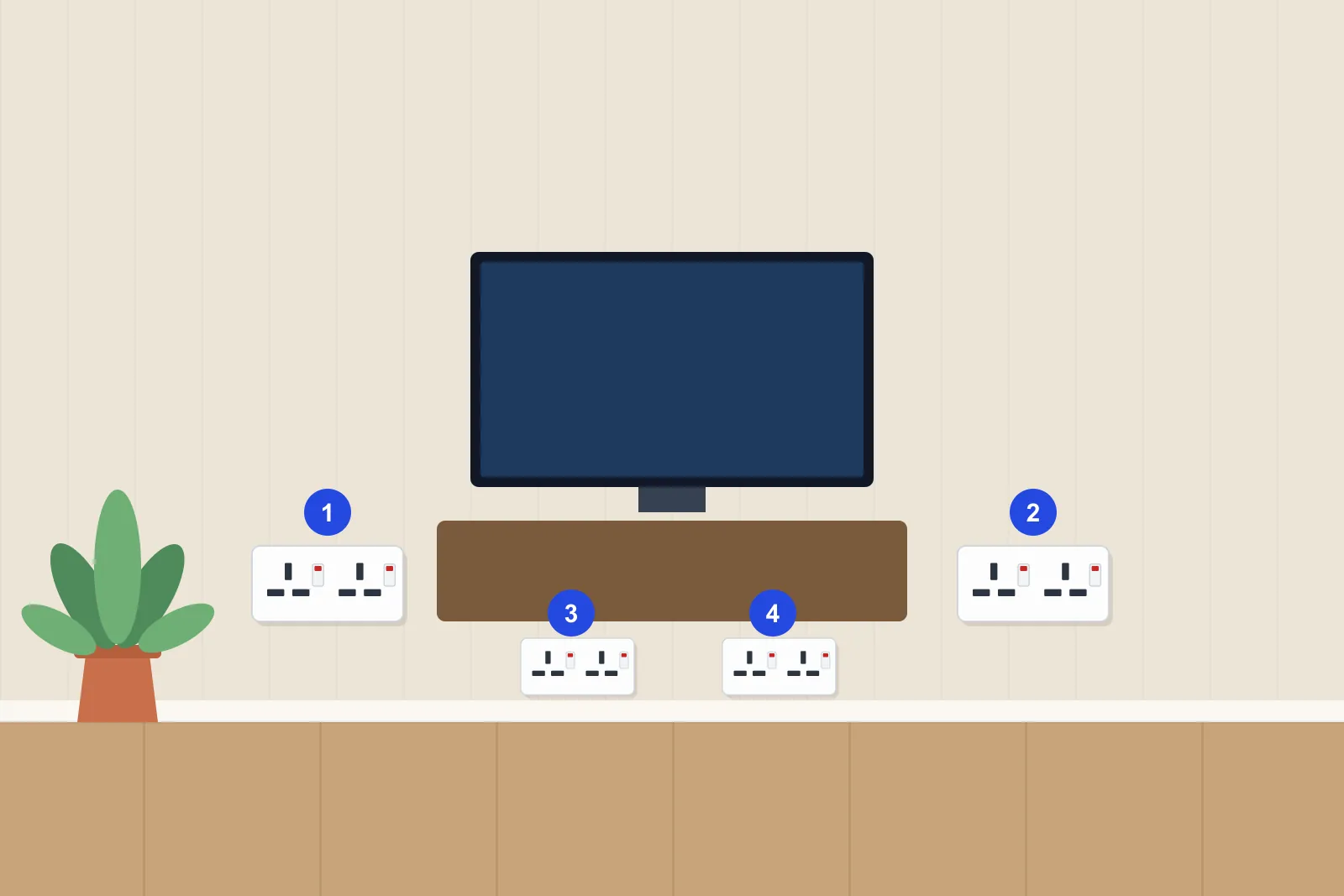
- Double sockets on every wall and either side of where a sofa or bed will go
- Sockets on kitchen islands and at worktop height for small appliances
- TV positions with power, data and an aerial or satellite feed
- Layered lighting – downlights, pendants, wall lights and under-cabinet lighting
- Switches at each entrance, including two-way switching
- External sockets and lighting for a new patio or garden doors
- Data cabling for home offices and TVs
Need an electrician?
Describe the job and compare free quotes from local electricians near you.
- Free to use
- No obligation
- Compare local electricians
- Quick online form
You'll continue to our quotes partner, MyJobQuote, to describe your electrical job.
Building Regulations and certificates
Extension electrics are notifiable under Part P in England, and building control will want to see an Electrical Installation Certificate at completion. A registered electrician can self-certify and notify the work for you. Smoke and heat alarms may also need extending to cover the new space. See Part P explained and electrical certificates explained.
Typical costs
Get quotes from local electricians and compare them using comparing electrician quotes.
| Extension | Typical cost |
|---|---|
| Small single-storey extension (living space) | £1,500 – £3,000 |
| Kitchen-diner extension | £3,000 – £6,000 |
| Two-storey extension | £4,000 – £8,000 |
| Consumer unit upgrade (if needed) | £500 – £1,000 |
| Extra downlight (first fix stage) | £50 – £90 each |
Indicative extension electrics prices (2026)